
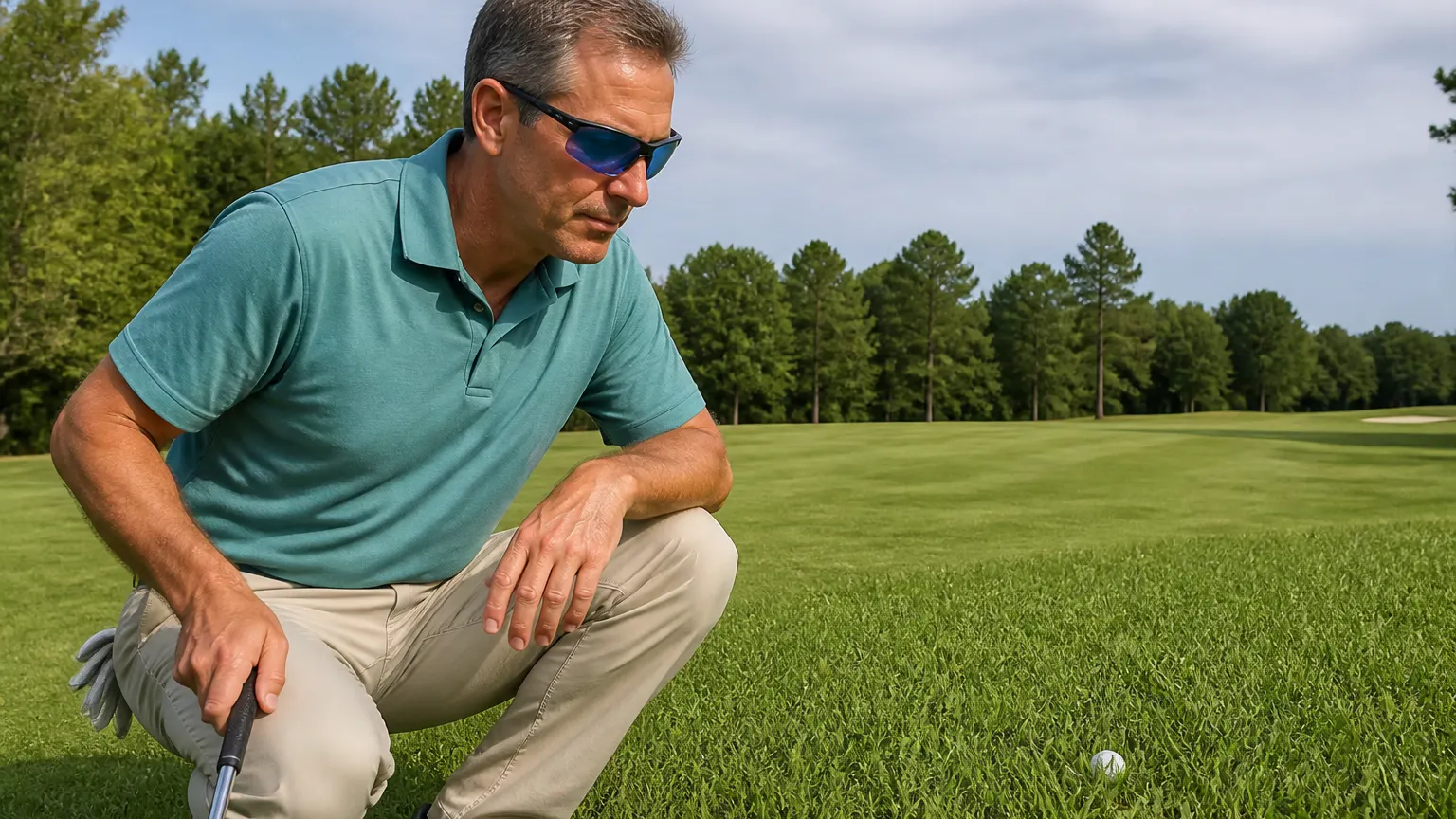
Stop Losing the Good Drives to the Rough.
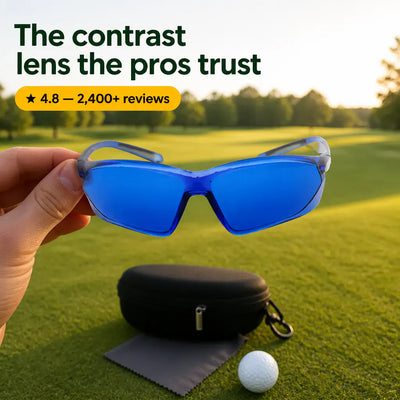
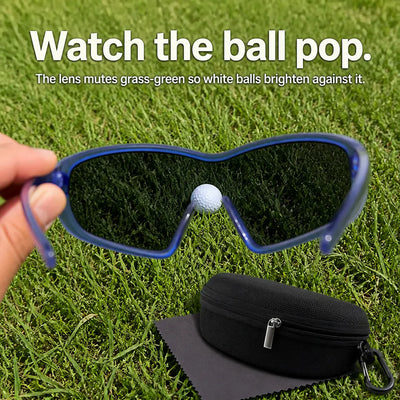
The tinted lens filters grass-green so white balls pop against the green. It won't magically locate every ball - but it helps you spot the ones you'd otherwise walk right past. That's the honest promise.
★★★★★ "Walked straight to a ball I'd have given up on. My group stopped waiting on me."
Verified golfer · Weekend player, 4 months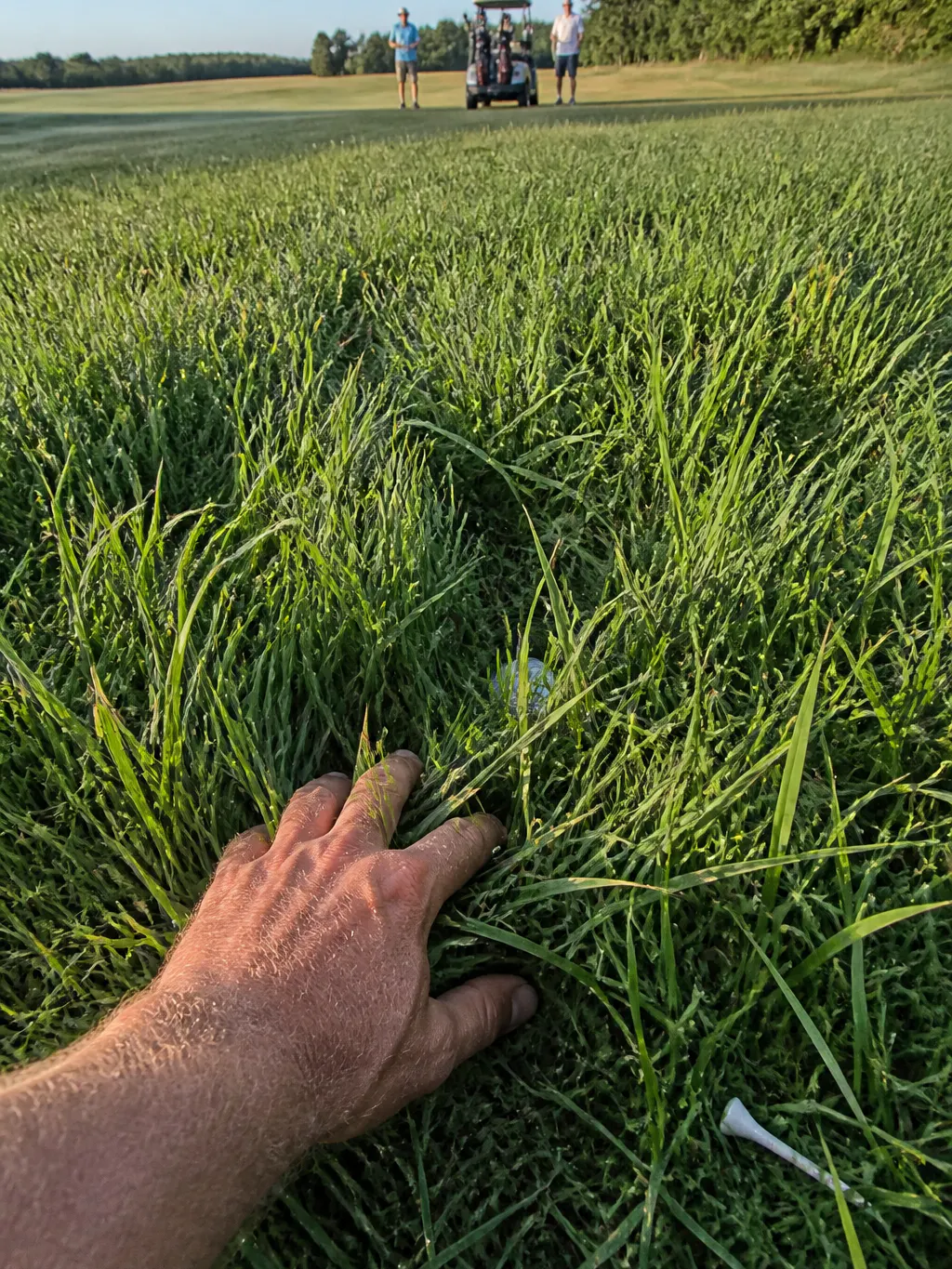
You Hit It Clean. Then the Grass Swallows It.
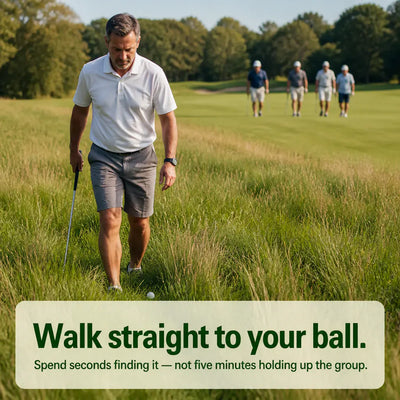
The good drive drifts right into the rough. You get there, and white-on-green just vanishes. Your group waits. Three minutes later you drop, take the stroke, and walk off - the best swing of the hole, wasted.
It happens three or four times a round. Not because you swung badly - you didn't. Because a white ball sitting in green grass, in shadow, is nearly invisible to eyes that aren't what they were ten years ago.
That's not on you. It's on the grass and the light. And it's the exact thing a contrast lens was built to fix.
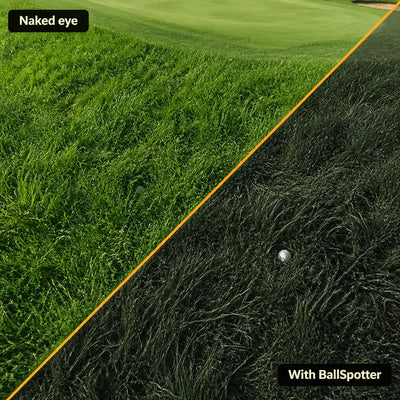
Same ball. Same grass. One with the lens.
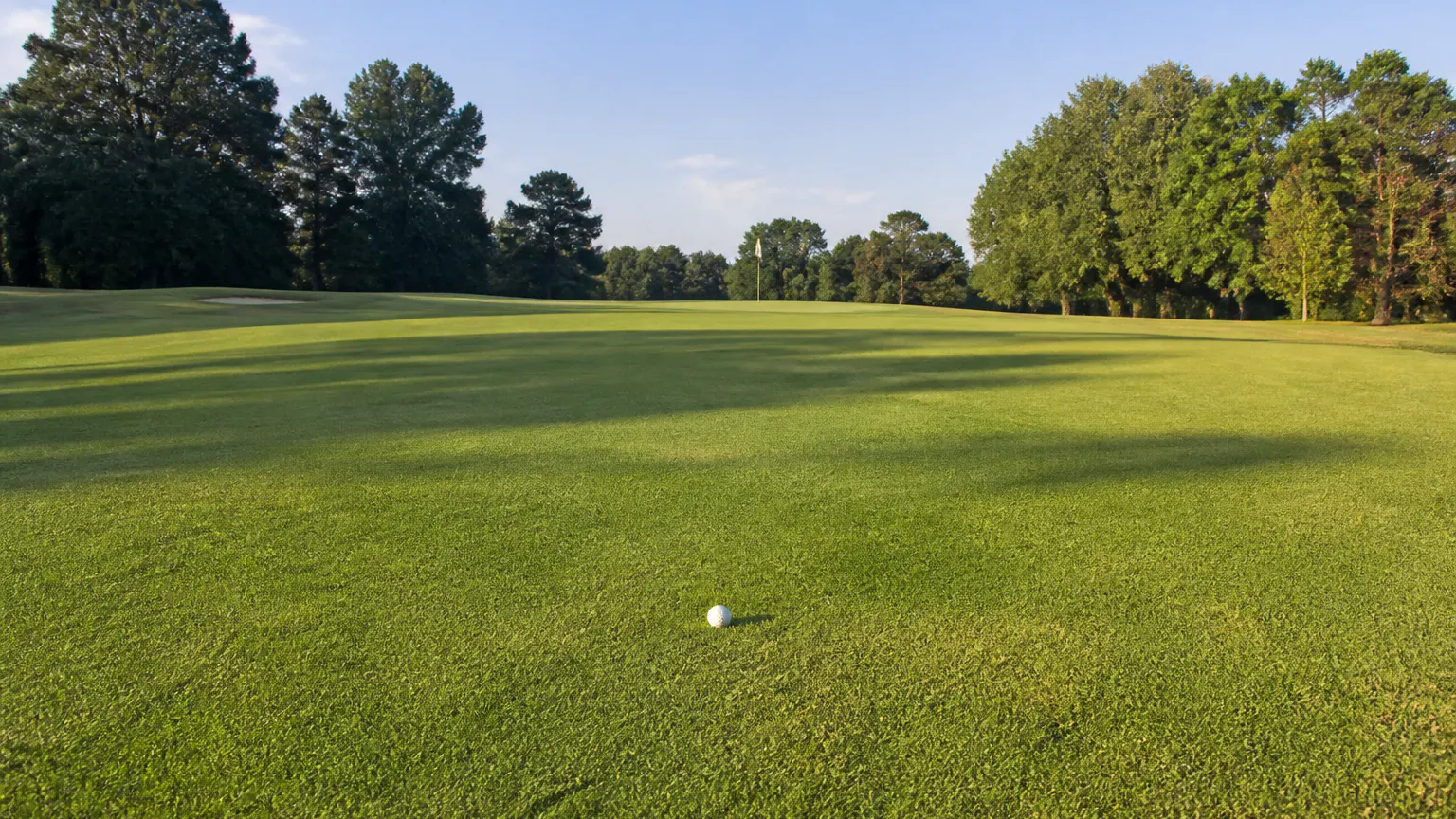
A white ball sitting in the rough. Left: what your naked eye sees. Right: through the tinted lens. The green gets darker, the ball gets brighter.
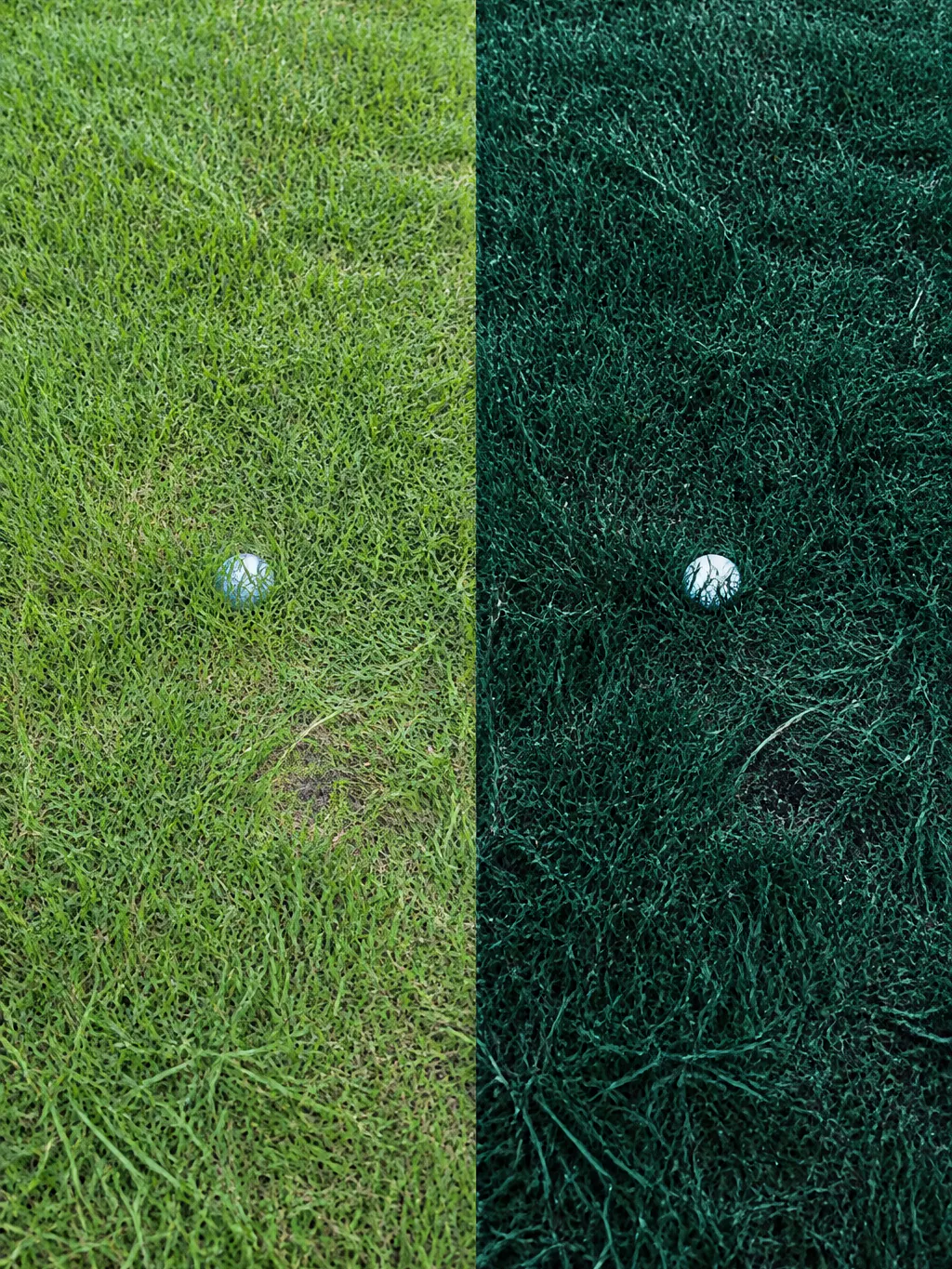 Naked eye
Through the lens
Naked eye
Through the lens
Honest about it: the lens is strongest in rough and shadow, where most of your lost balls hide. In thick 6-inch grass or blinding midday sun, no lens can pull a ball out of nowhere. It's an assist that finds the balls you'd otherwise miss, not a magic locator.
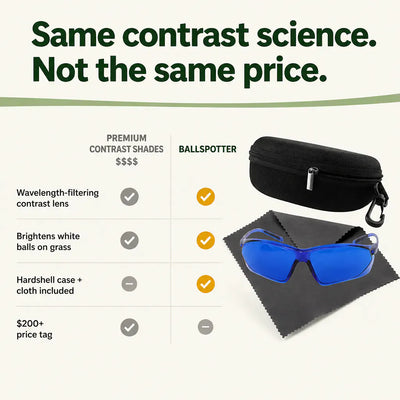
The same contrast science built into $200 golf shades.
Oakley Prizm Golf and Smith ChromaPop cost a small fortune because of one thing: a lens that filters specific light wavelengths. It quiets the green of grass and foliage so the white ball's reflected light stands out. The grass gets darker, the ball gets brighter.
That's the exact optical principle in these lenses. No batteries, no app, no tricks - just wavelength filtering, the same idea the premium brands built their reputation on. The only difference is the badge on the frame and the number on the tag.
Same wavelength-filtering idea. A fraction of the price.
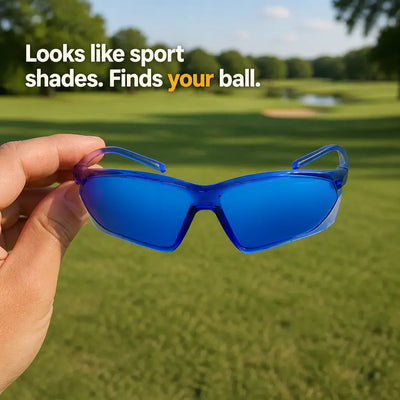
Considered eyewear - not a bare blue toy.
Everything that separates these from the $10 dark-lens knockoffs, laid out plainly.
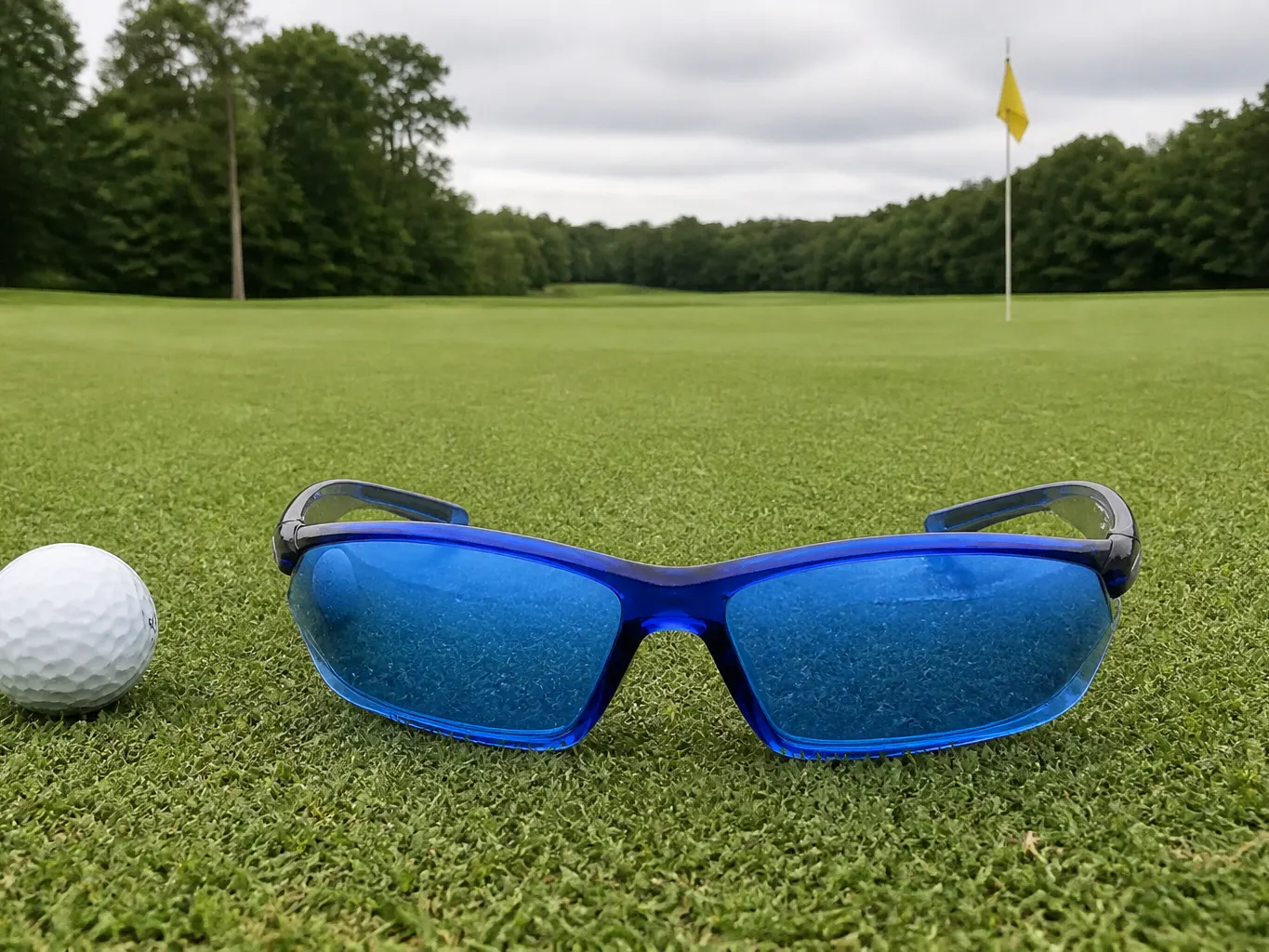
Grass-green contrast lens
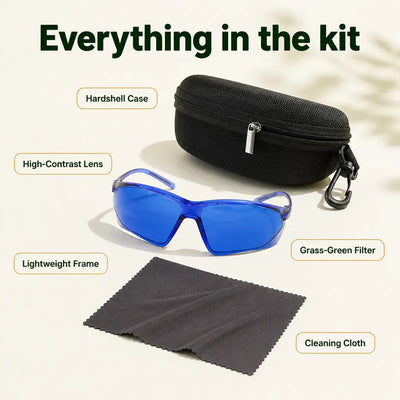
Filters the green wavelength of grass so the white ball reflects back at you - it stops blending in and starts popping out of the rough.
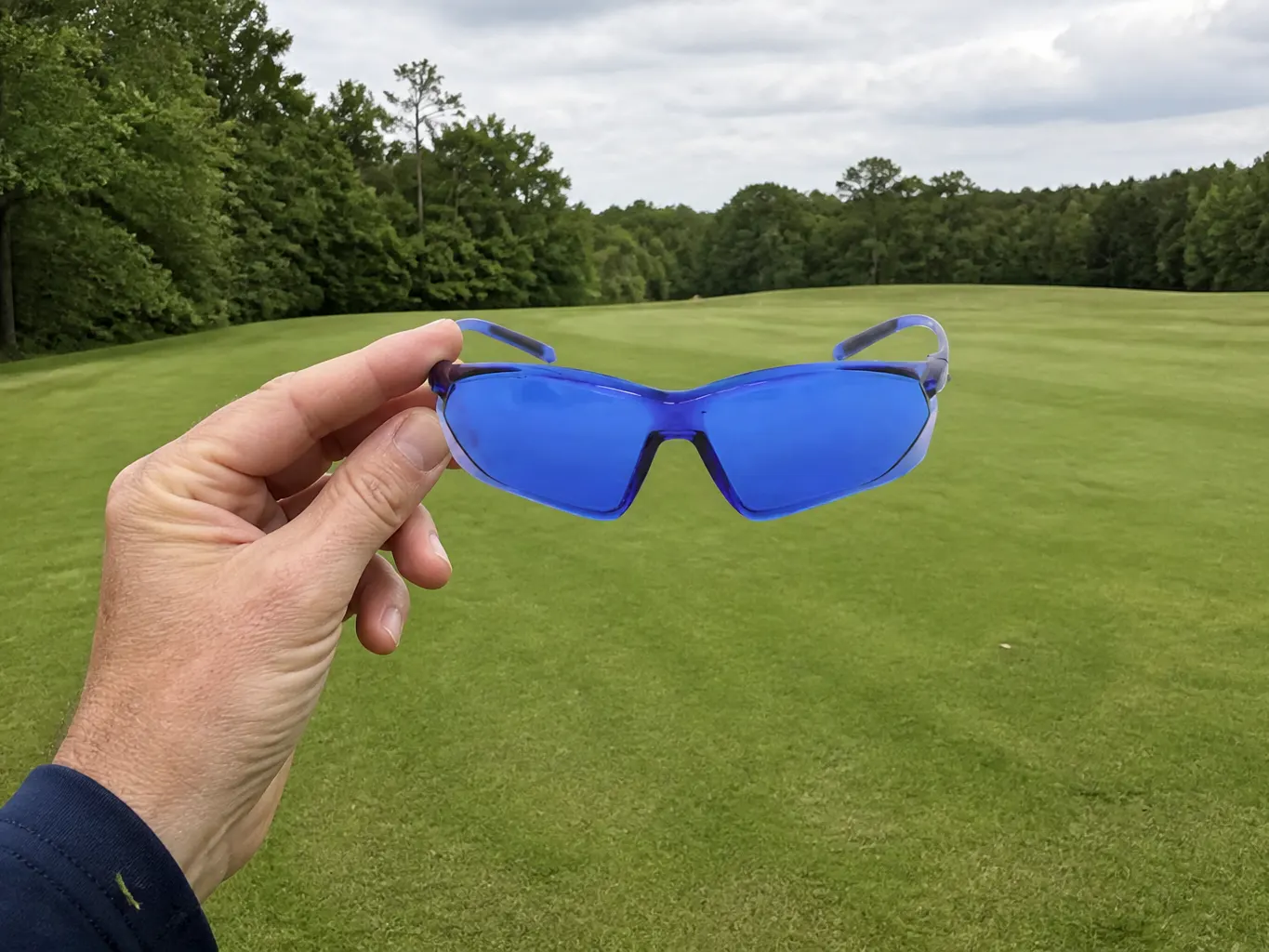
Lightweight wraparound frame
Single curved lens, barely-there weight - you forget you have them on by the second hole and wear them a full 18 with no pressure points.
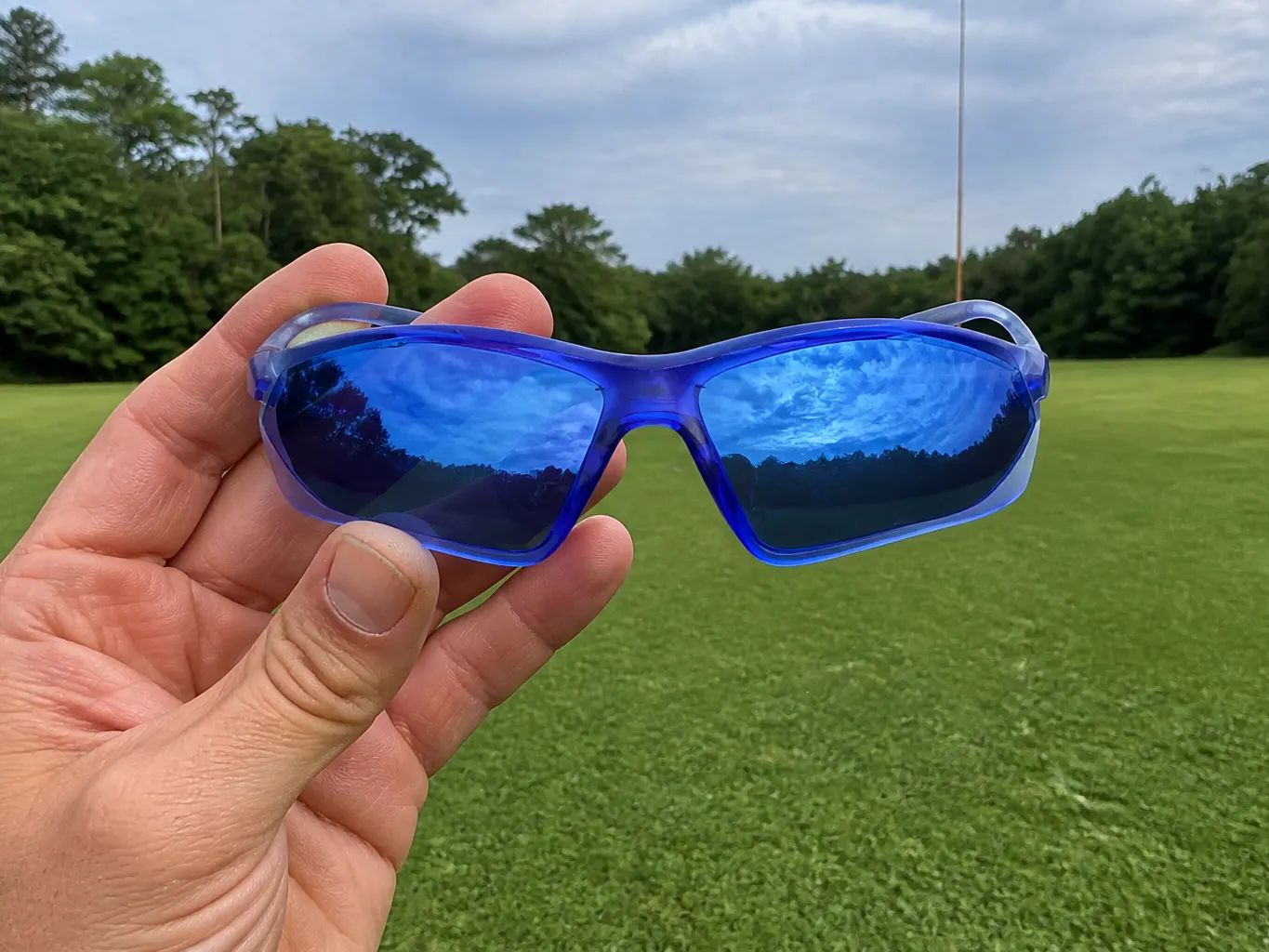
Mirrored lens option
Looks like a normal pair of sport shades, not funny blue glasses. You get the contrast function without looking like you raided the pro shop's gimmick bin.
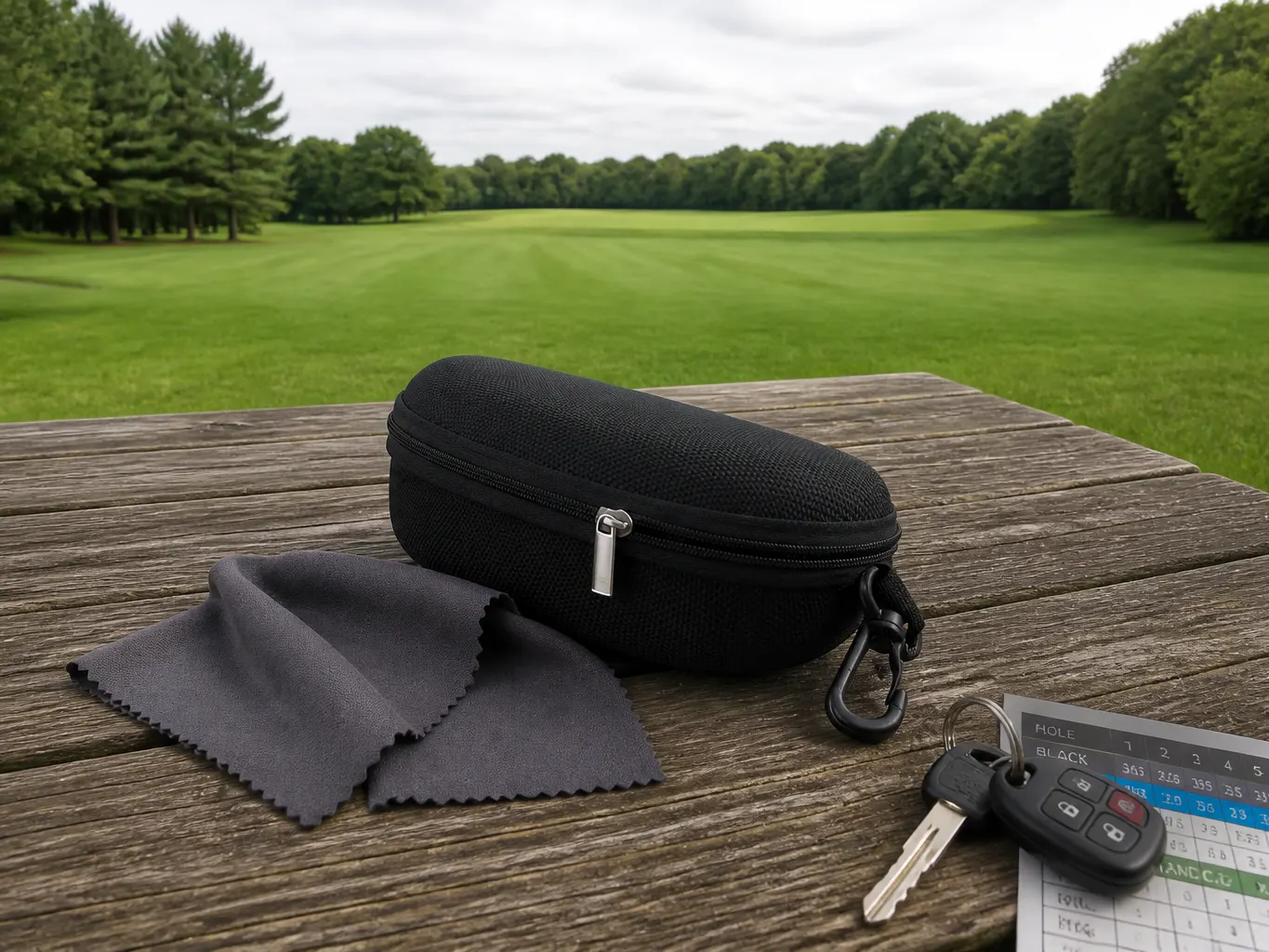
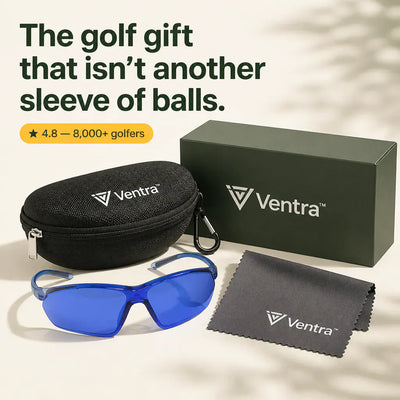
Hardshell case + cloth
A zippered hardshell case and microfiber cloth in the box - tosses in the bag, survives a round in the cart, and makes the whole thing feel like a proper kit.
Straight talk from golfers who bought them.
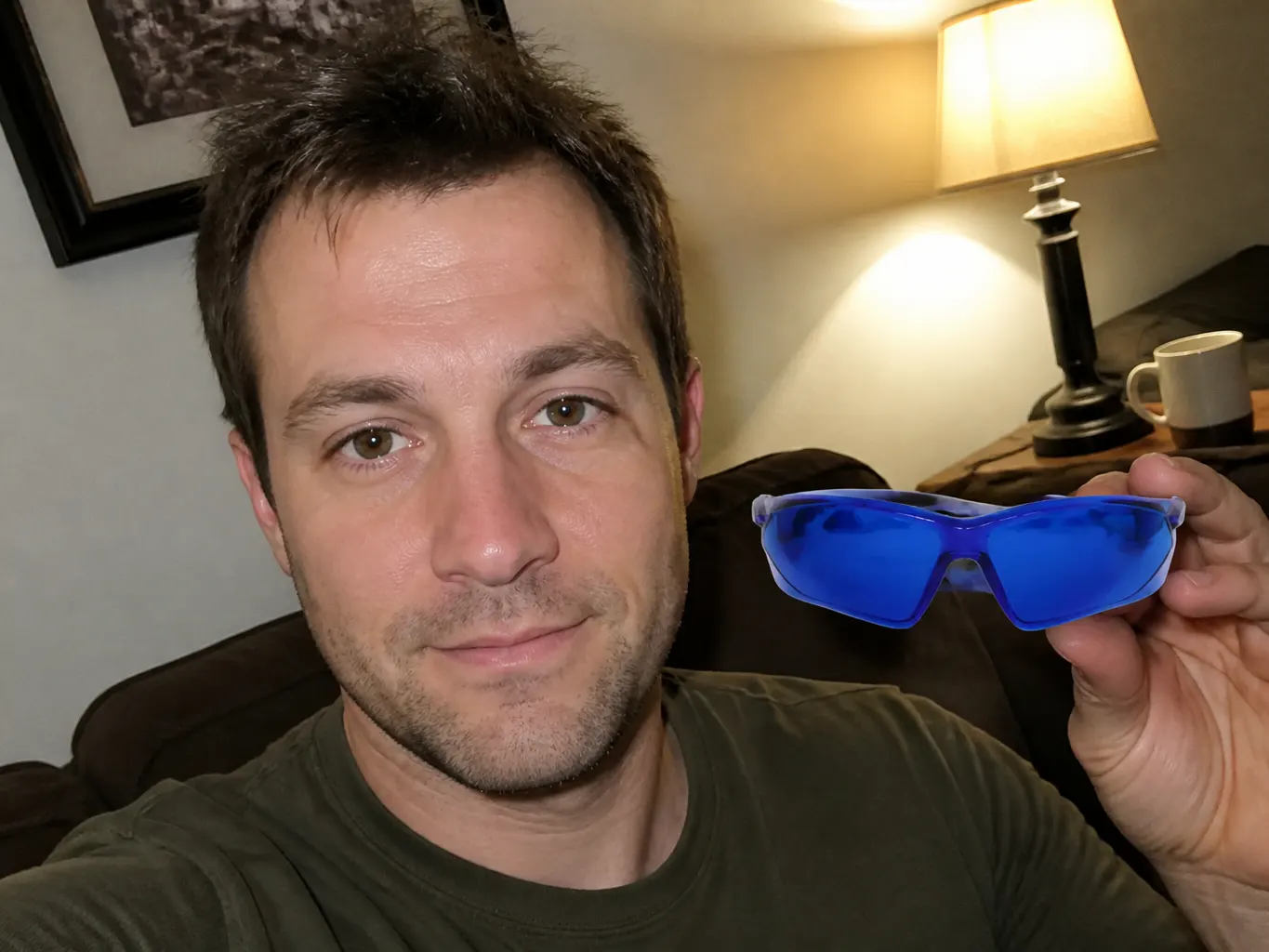
They do make the ball stand out against the grass. Found two in the rough on the back nine I'd normally have written off.
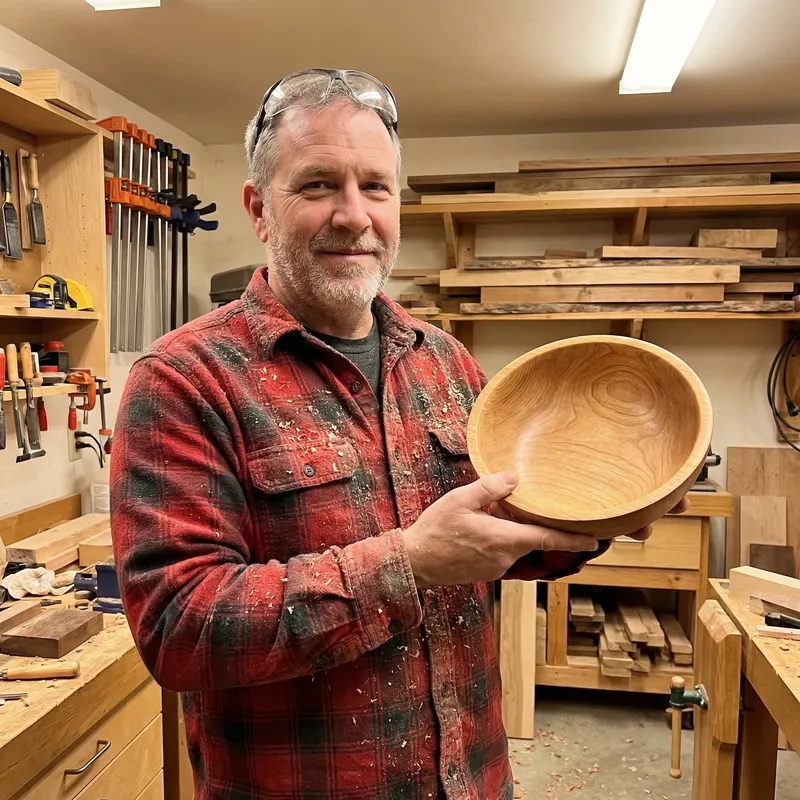
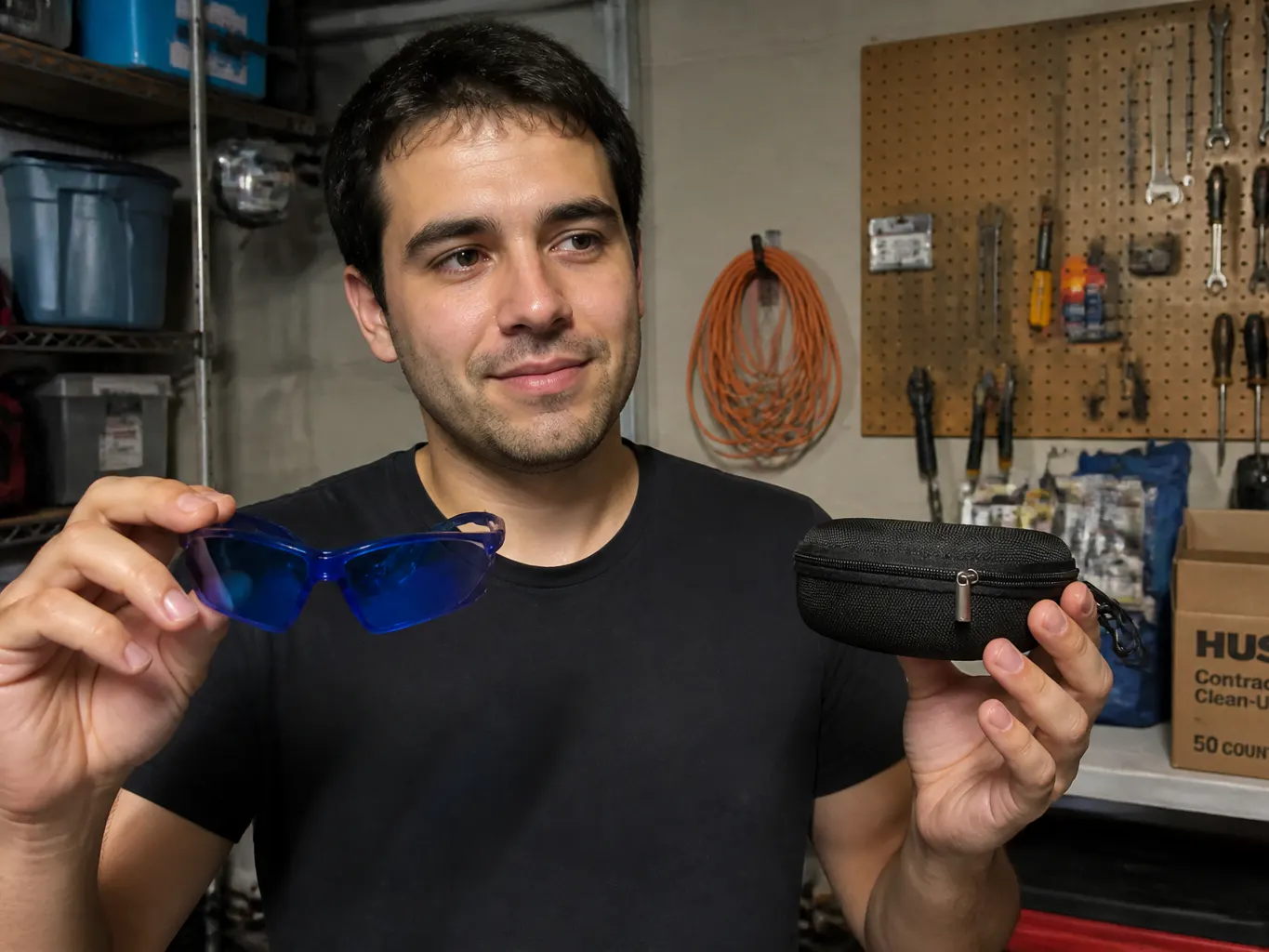
Won't lie - in thick 6-inch grass they don't do much. But in normal rough and shade the ball genuinely pops. For $30 and a nice case, worth it.

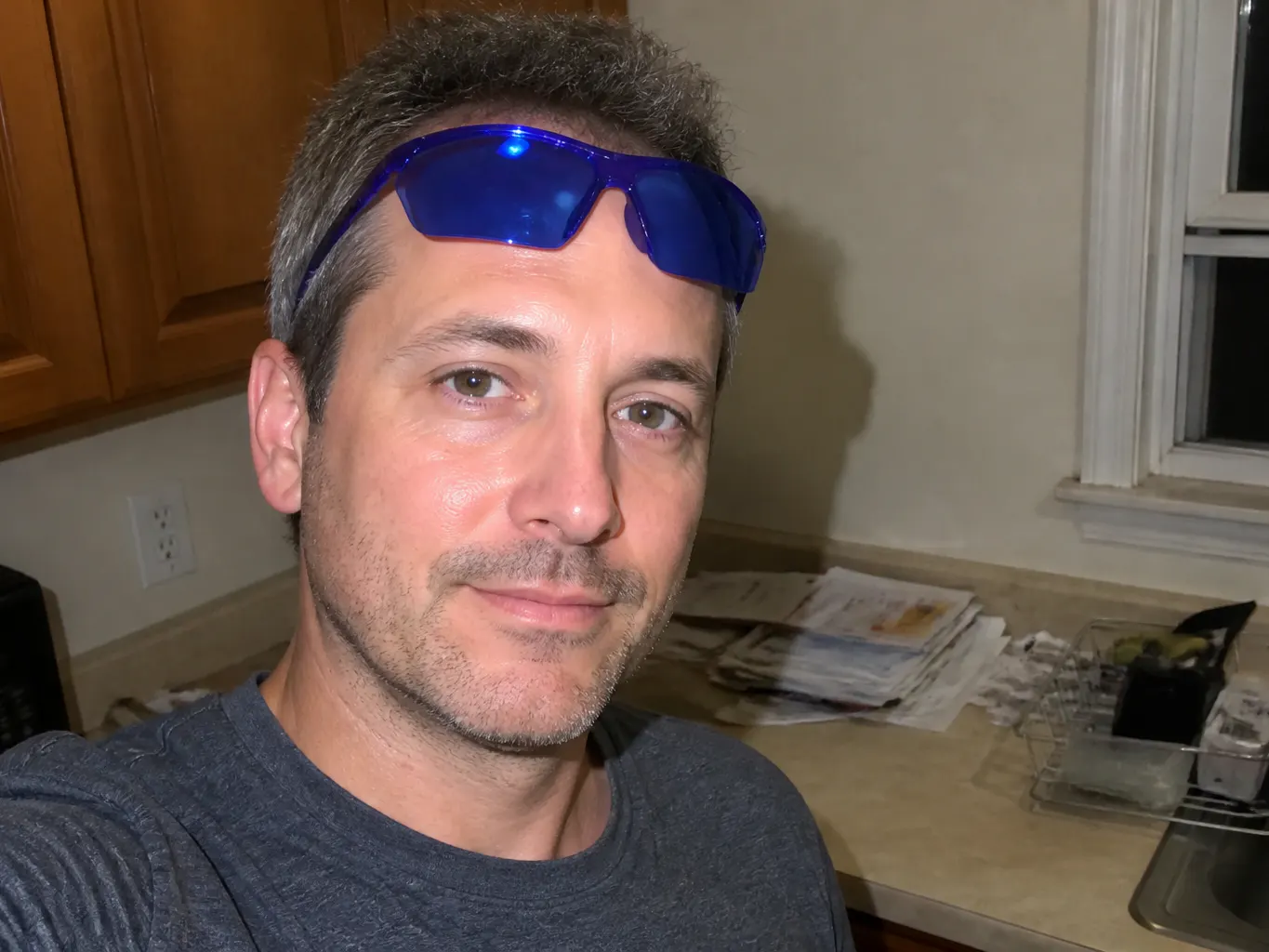
My eyes aren't what they were. These brighten everything up and I actually track my drives now instead of squinting at the trees.

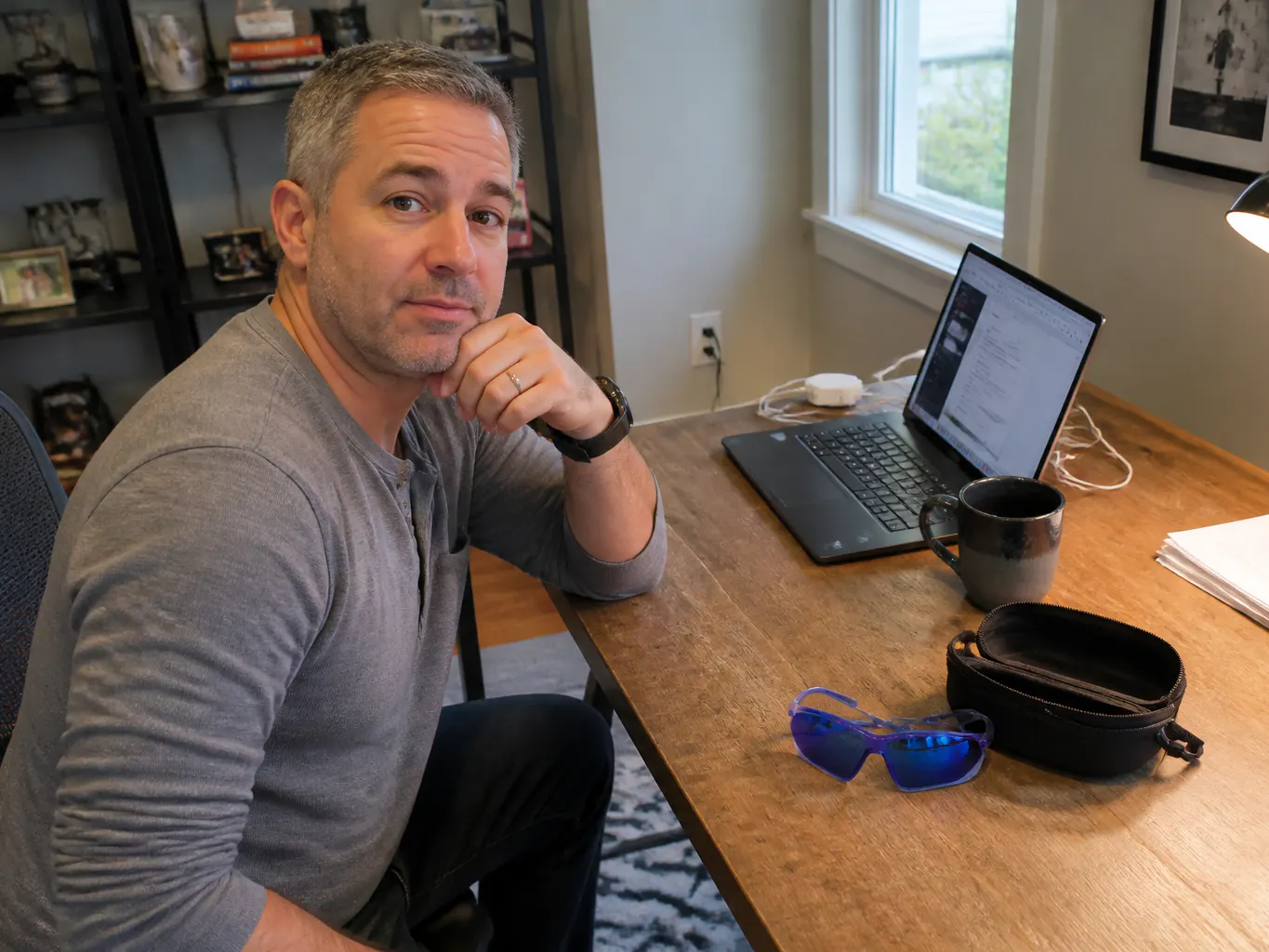
Skeptical after reading Reddit. They're not magic - but they do exactly what they say. I stopped switching to yellow balls.
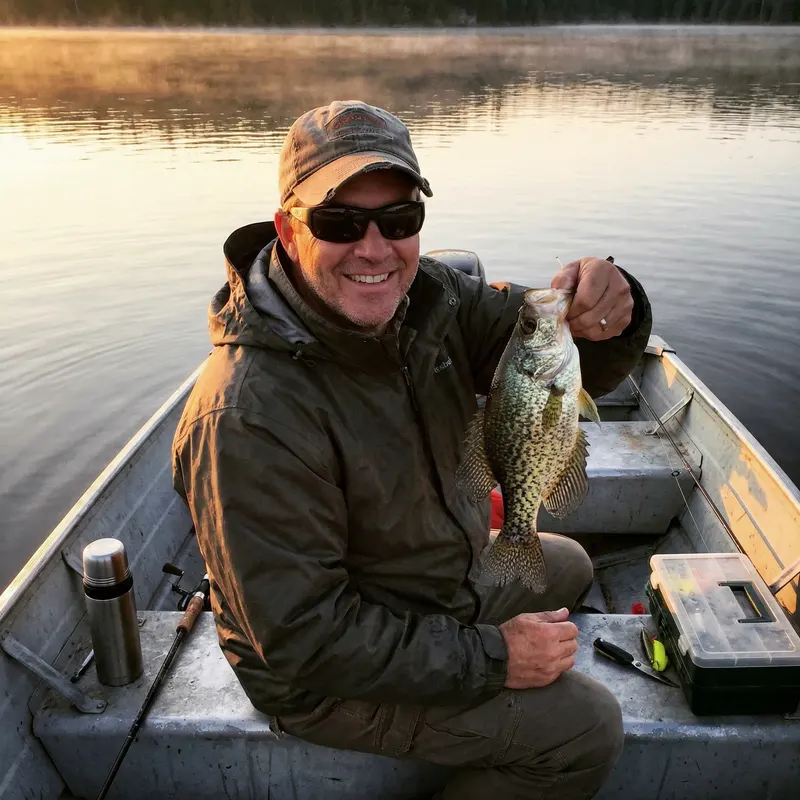
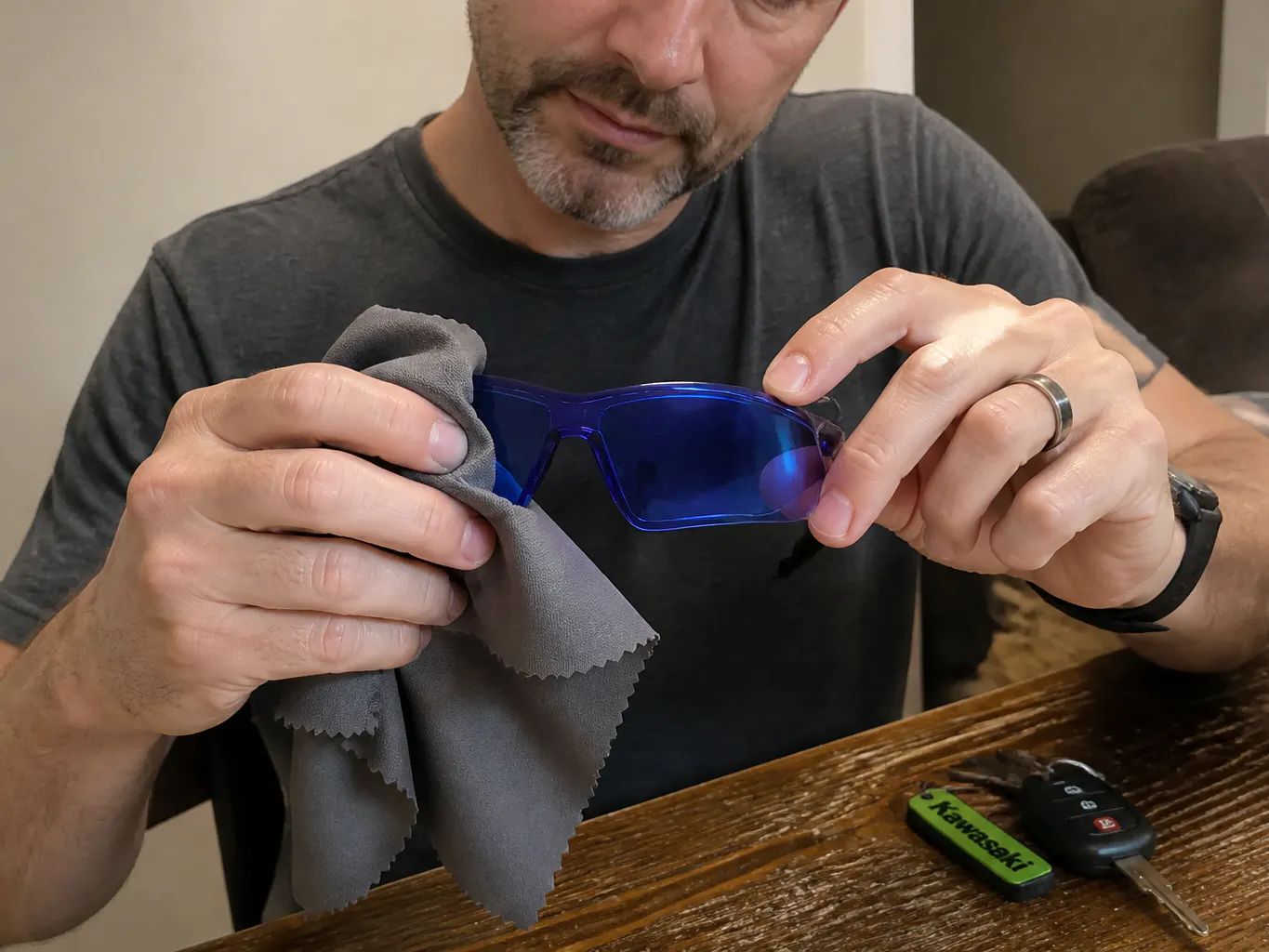
The mirrored pair looks like normal shades. Nobody in my group knew they did anything until I found a ball first every time.

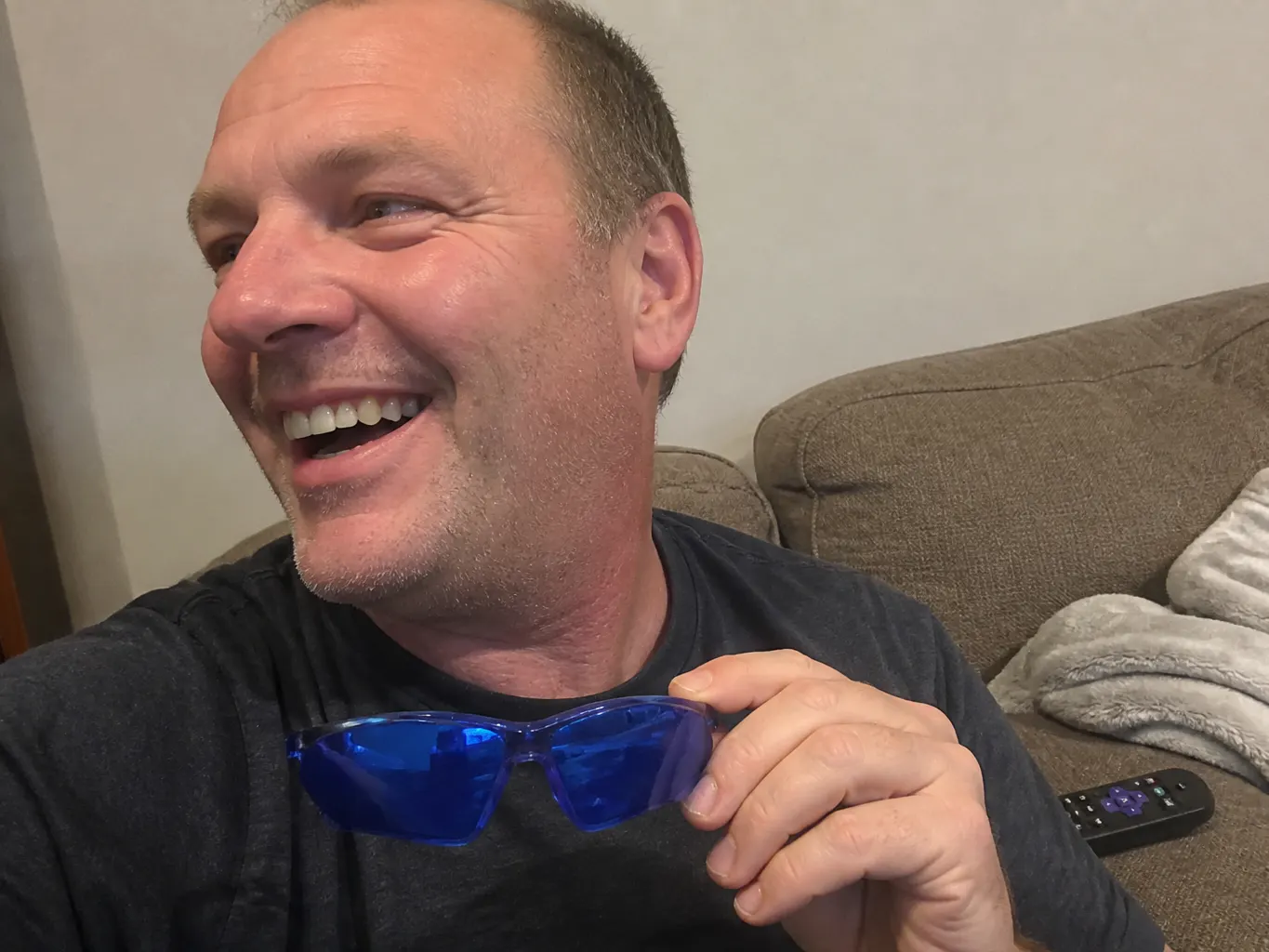
Bought them expecting a gimmick. Round moves faster because I'm not hunting for five minutes a hole. Comfortable the whole 18 too.
The honest answers.
Try it for 30 days. Or your money back.
Wear them for a round. Spot the balls you'd have lost in the rough. If they don't earn their place in your bag, send them back - you're not out a cent.
Find Your Ball Faster30-day money-back guarantee · 1 year warranty · Free worldwide shipping