Between-Appointment Monitoring

BumpBeat - At-Home Baby Heartbeat Monitor

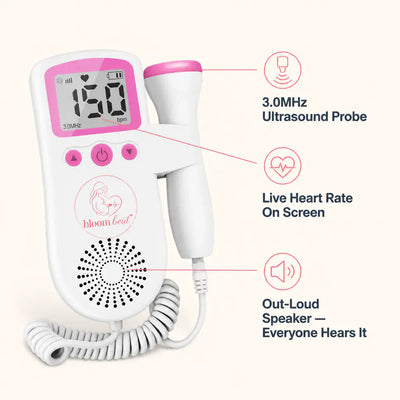
Hear her tonight instead of waiting three more weeks - the same 3.0MHz probe technology used at your appointment, with a live BPM number on screen so you know it's her, not you.

$84.83$179.80Save 53%
Single Monitor

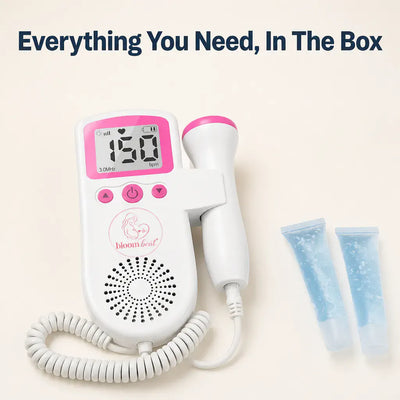
Everything you need for tonight - monitor, 3.0MHz probe, 2 full gel tubes.

$49.90
MOST POPULAR
Best Value (3x)
$24.10/unit

Best value — lowest price per unit + free bonus

$72.30
$269.70
Save 17%
BumpBeat - At-Home Baby Heartbeat Monitor
$49.90
✓ 30-Day Money-Back✓ 1 Year Warranty✓ Free Worldwide Shipping
Ships by Wed, Aug 26
Free US Shipping
Hannah R.
Hannah R.

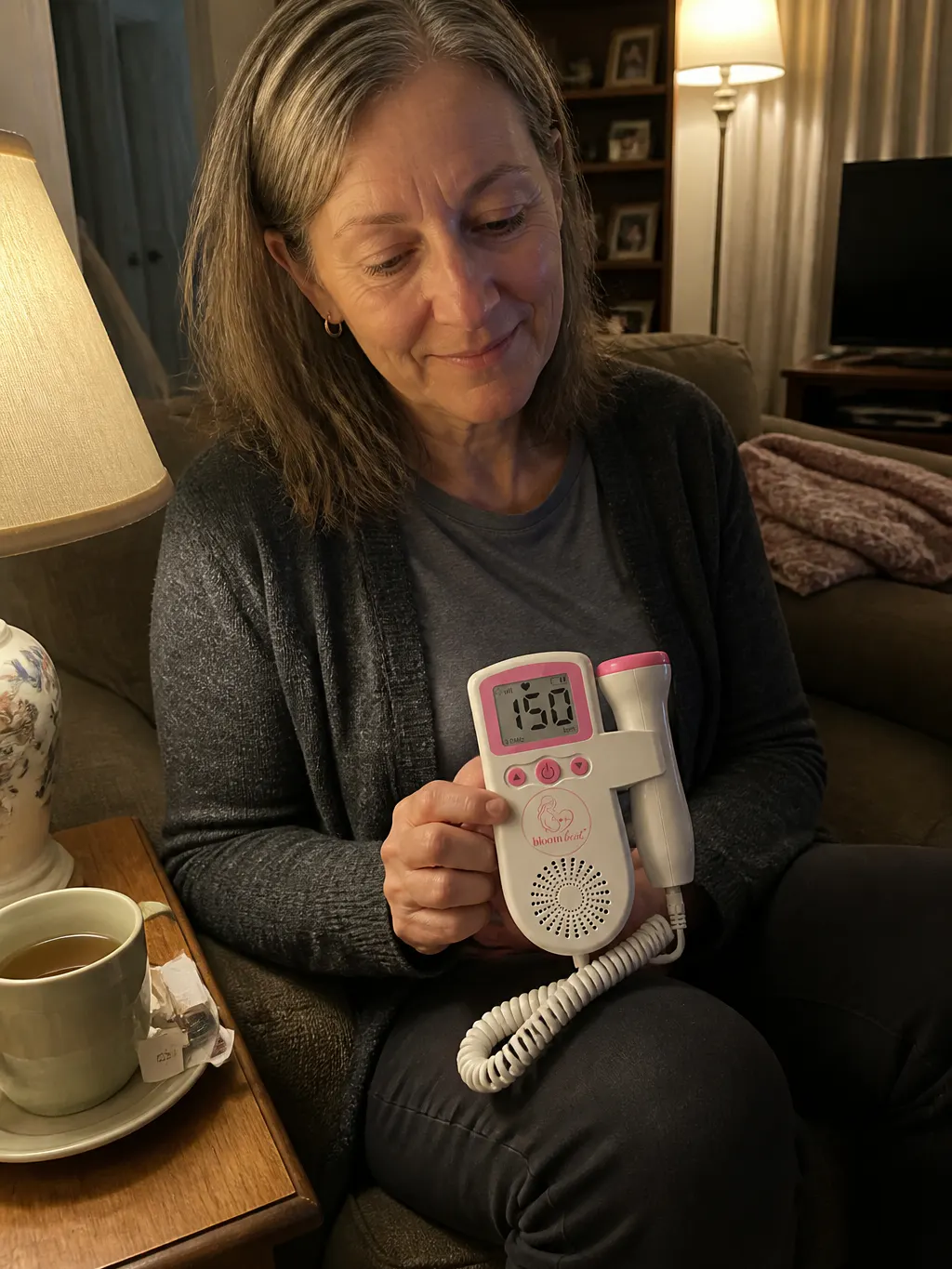
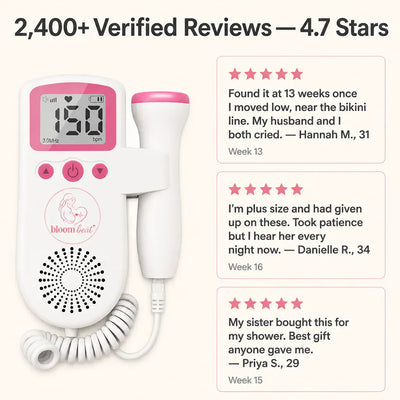
My appointments are four weeks apart and I was counting days. Found her at 13 weeks once I moved way lower than I expected - near the bikini line, like the guide says. The number on the screen said 152 and I actually cried. I sleep now.

Priya M.
Priya M.

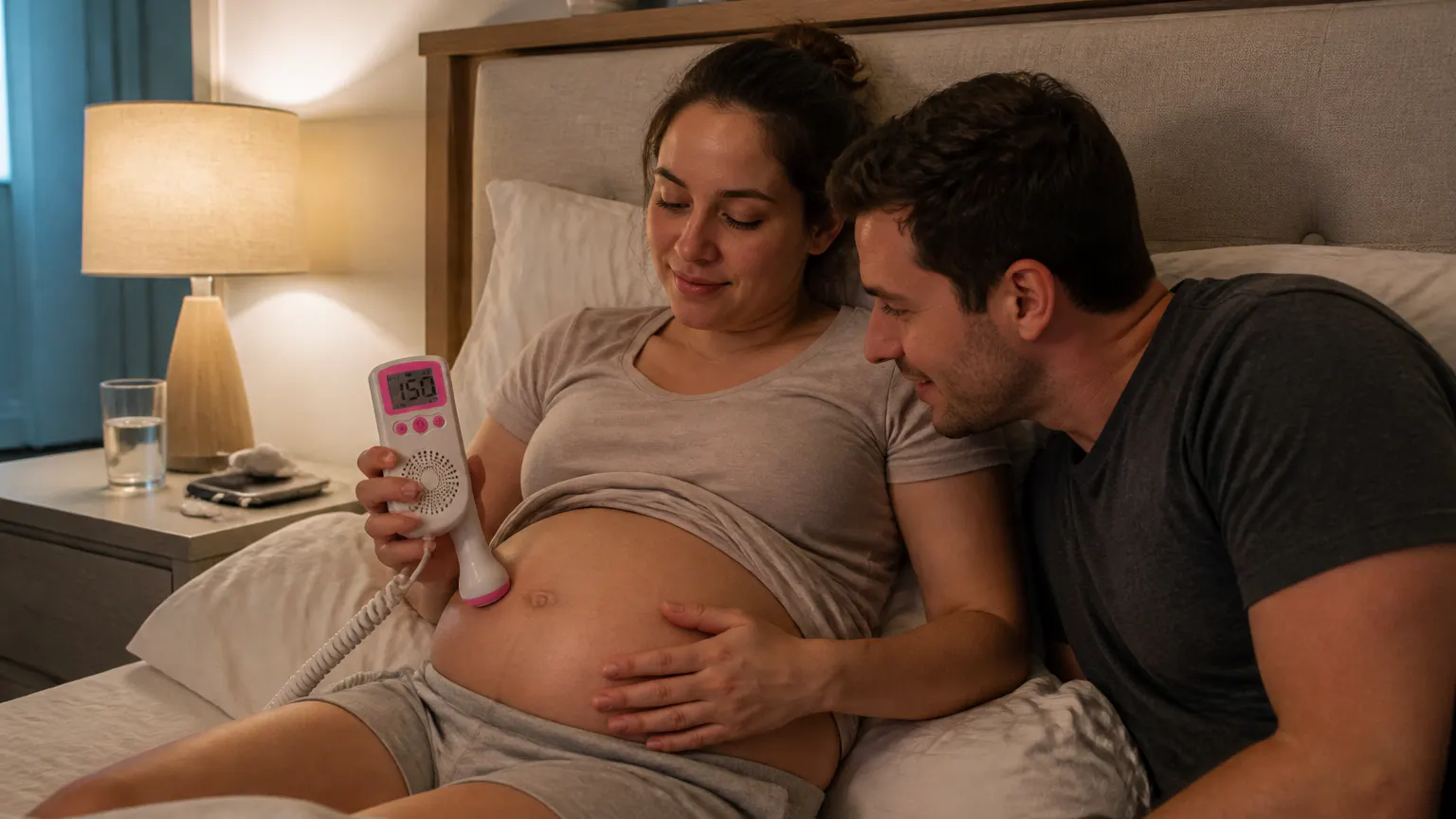
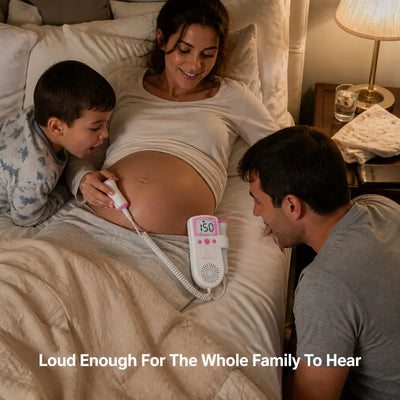
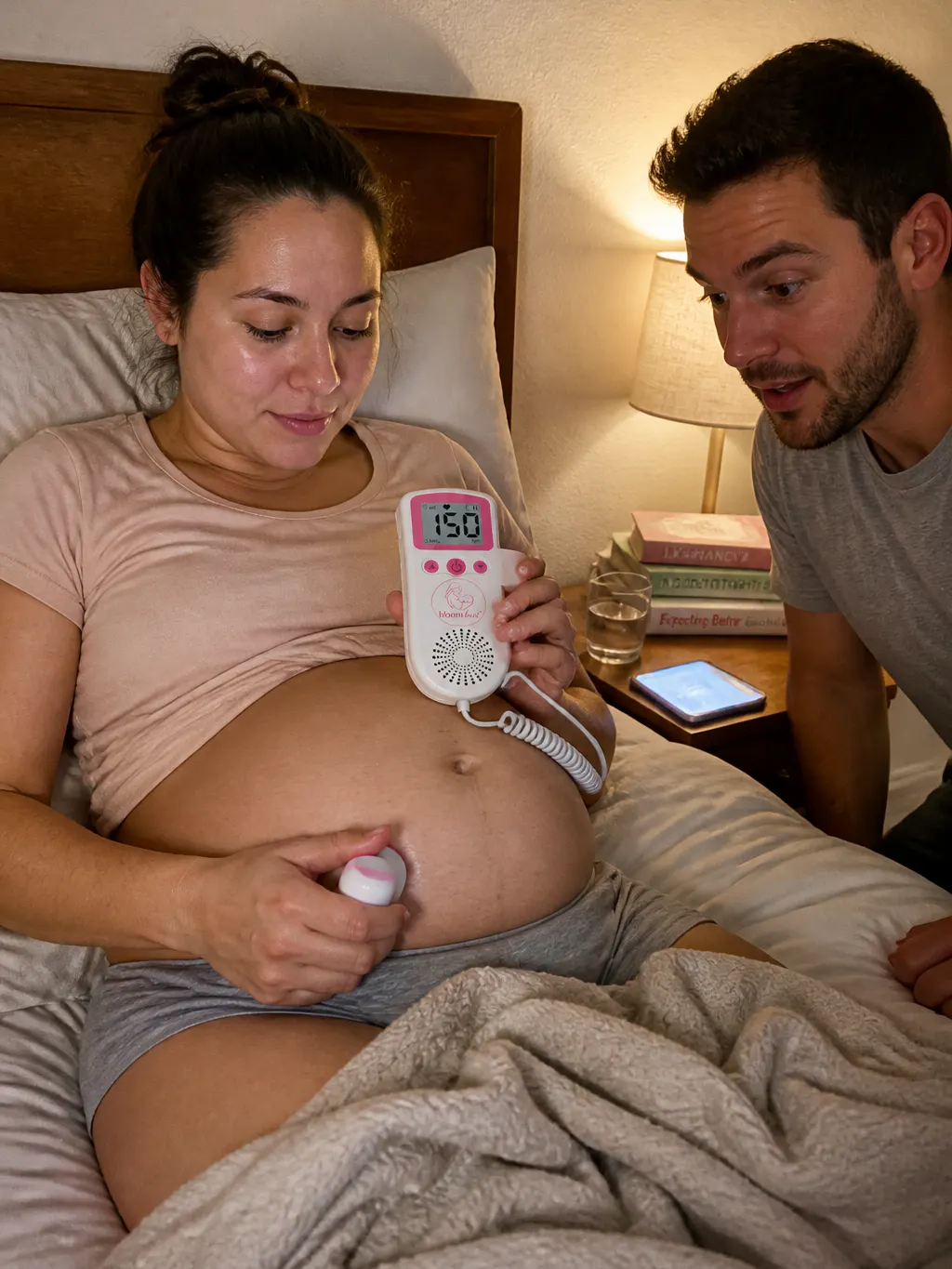
Bought it so my husband could finally hear something. The speaker is loud enough that he didn't have to lean in - and our 4-year-old asked to listen again the next night. It's our little bedtime thing now.

Danielle K.
Danielle K.

Honestly assumed this was a toy. It isn't - same 3.0MHz as the probe they used at my scan. I'm plus size and it took me until about 15 weeks and a lot of gel to get it consistently, which they do tell you upfront. Glad they were honest instead of overpromising.

BumpBeat is an at-home prenatal monitor built for the weeks between appointments - when you can't yet feel movement and have no way of knowing.

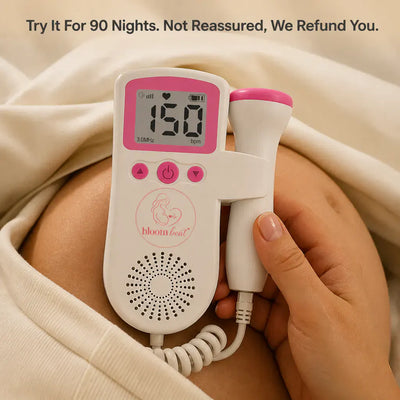
It uses a 3.0MHz ultrasound probe, the same frequency as the handheld doppler used at your appointment, connected by a coiled cord to a palm-sized unit with an LCD screen. The screen shows a live beats-per-minute reading, so you can tell your baby (typically 110-160 bpm) from your own pulse (60-90 bpm) - the single most common source of confusion with home monitors.

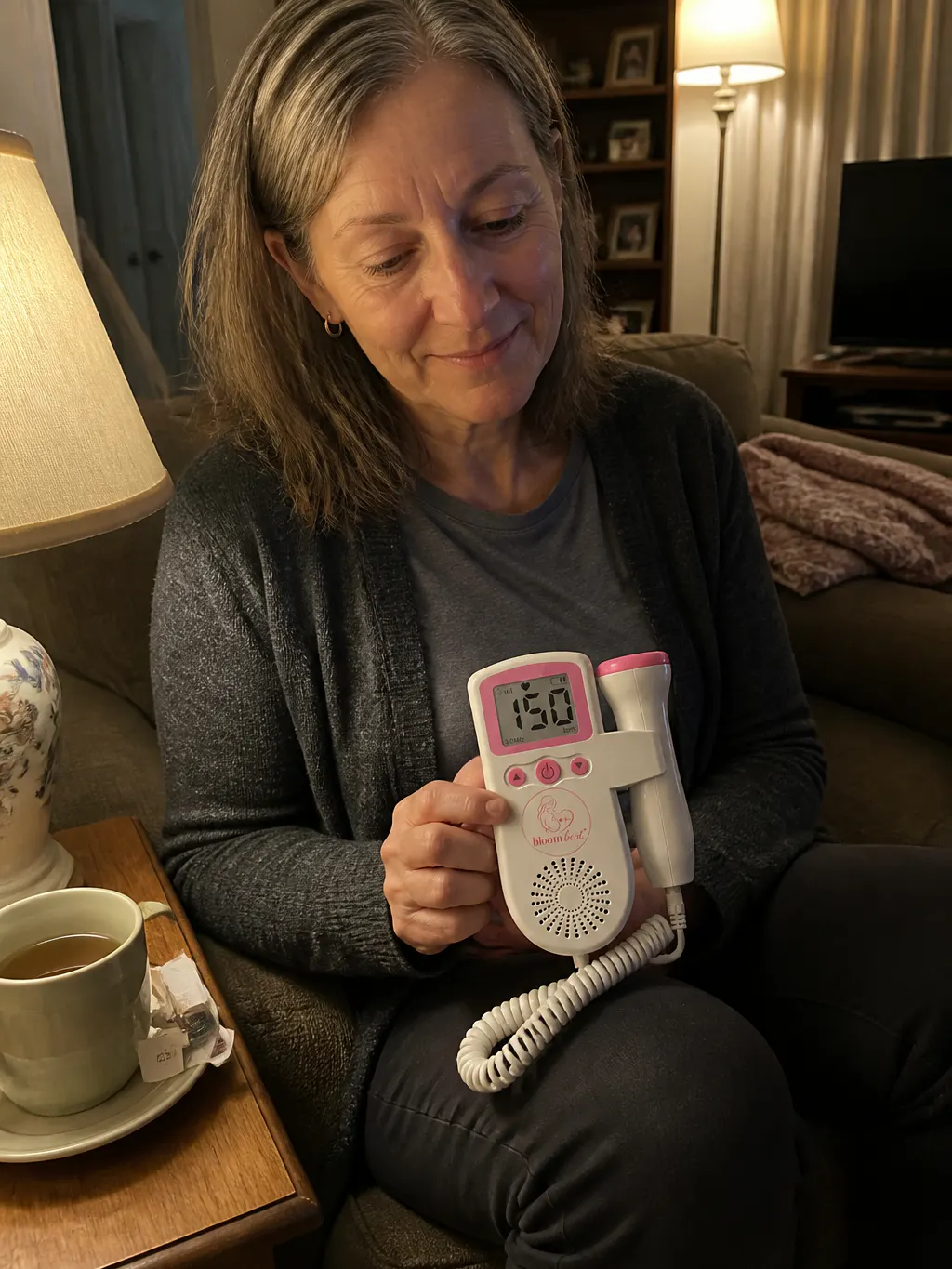
The built-in speaker plays out loud, no headphones needed, so your partner, your older children, or a grandparent on a propped-up phone can hear it in the room with you.

BumpBeat is a reassurance tool, not a diagnostic device. It does not replace your midwife or OB. If you're ever worried about your baby's movements or wellbeing, call your provider - never use this device to decide not to.

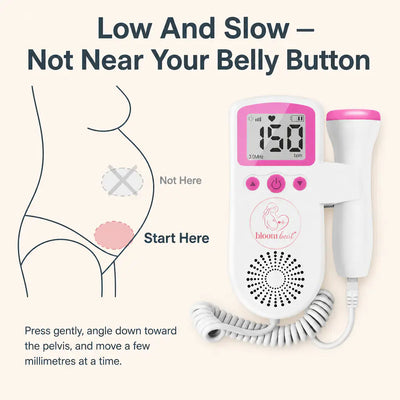
The technique most people get wrong: search low, not near your belly button. Before 20 weeks your baby sits low in the pelvis.

  1. Lie flat on your back, relaxed, comfortable bladder.
  2. Don't skimp on the gel. A generous bead directly on the skin - low on the abdomen, near the pubic/bikini line. Gel removes the air gap; without enough, you'll hear nothing.
  3. Press the probe flush against the skin, angled slightly down and inward toward the pelvis.
  4. Go low and slow. Small sweeps, pausing every few seconds. Angle the probe rather than sliding it quickly.
  5. Check the number. 110-160 bpm is your baby. 60-90 bpm is you. A slow whooshing like wind is the placenta or cord.

Honest week-by-week expectations: Some mothers find it from around week 10-12. Many don't get it consistently until 14-16 weeks. If you have an anterior placenta or a fuller belly, expect it to take longer - often closer to 15-18 weeks - and expect to use more gel and more patience.

Most important: not finding a heartbeat does not mean something is wrong. Your baby is small and mobile, and you may find her one night and not the next. This is normal and expected. If you are worried, call your midwife or OB - not this device.

We recommend short sessions, around 20 seconds at a time, a few times a week rather than constant use.

  • BumpBeat monitor unit - LCD display with live BPM readout and built-in loudspeaker
  • 3.0MHz ultrasound probe on a coiled stretch cord
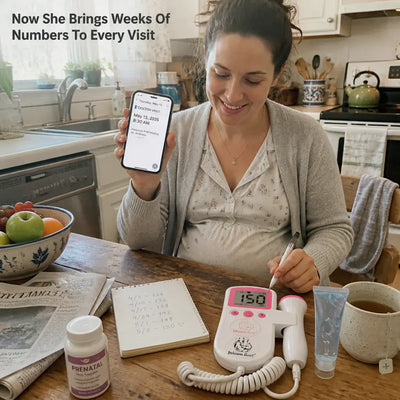
  • Two full tubes of conductive ultrasound gel - enough to actually use it, not a token sample
  • Finding-the-heartbeat guide - placement technique, week-by-week expectations, and guidance for anterior placenta and plus-size bodies

Is it safe? The probe uses sound waves, not radiation - the same principle as the doppler at your appointment. Nothing heats, vibrates, or presses. We recommend sensible use: short sessions of around 20 seconds, rather than continuous listening.

Not a diagnostic or medical decision-making device. Always speak to your midwife or OB with any concern about your pregnancy.

Free shipping worldwide on every order. Orders dispatch within 2 business days - and because the useful window is roughly weeks 12-30, every day matters, so we ship fast.

30-day money-back guarantee. If it isn't right for you, return it within 30 days for a full refund. This category's most common disappointment is not finding the heartbeat early on - read our finding guide first, give it a fair try, and if you still aren't happy, we'll refund you.

1 year warranty against defects on the monitor and probe.

Questions before you order? Contact Ventra™ and we'll answer honestly - including telling you if we think it's too early in your pregnancy to expect good results.

Built with GodMode AI
 
 
BUILT ON
3.0 MHz Probe frequency
Live BPM On-screen readout
Sound waves Not radiation
2 tubes Conductive gel included
 
 
At-home prenatal doppler · 3.0 MHz probe · Live BPM readout

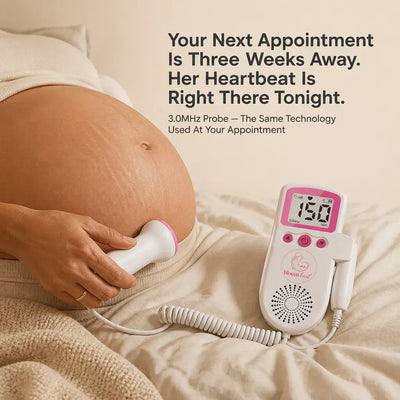
Your Next Appointment Is Three Weeks Away.


BumpBeat uses the same 3.0MHz probe as the office device - sound waves, not radiation - with the beats per minute on screen so you know it is her.
Ventra™ Free shipping worldwide 30-day money back guarantee
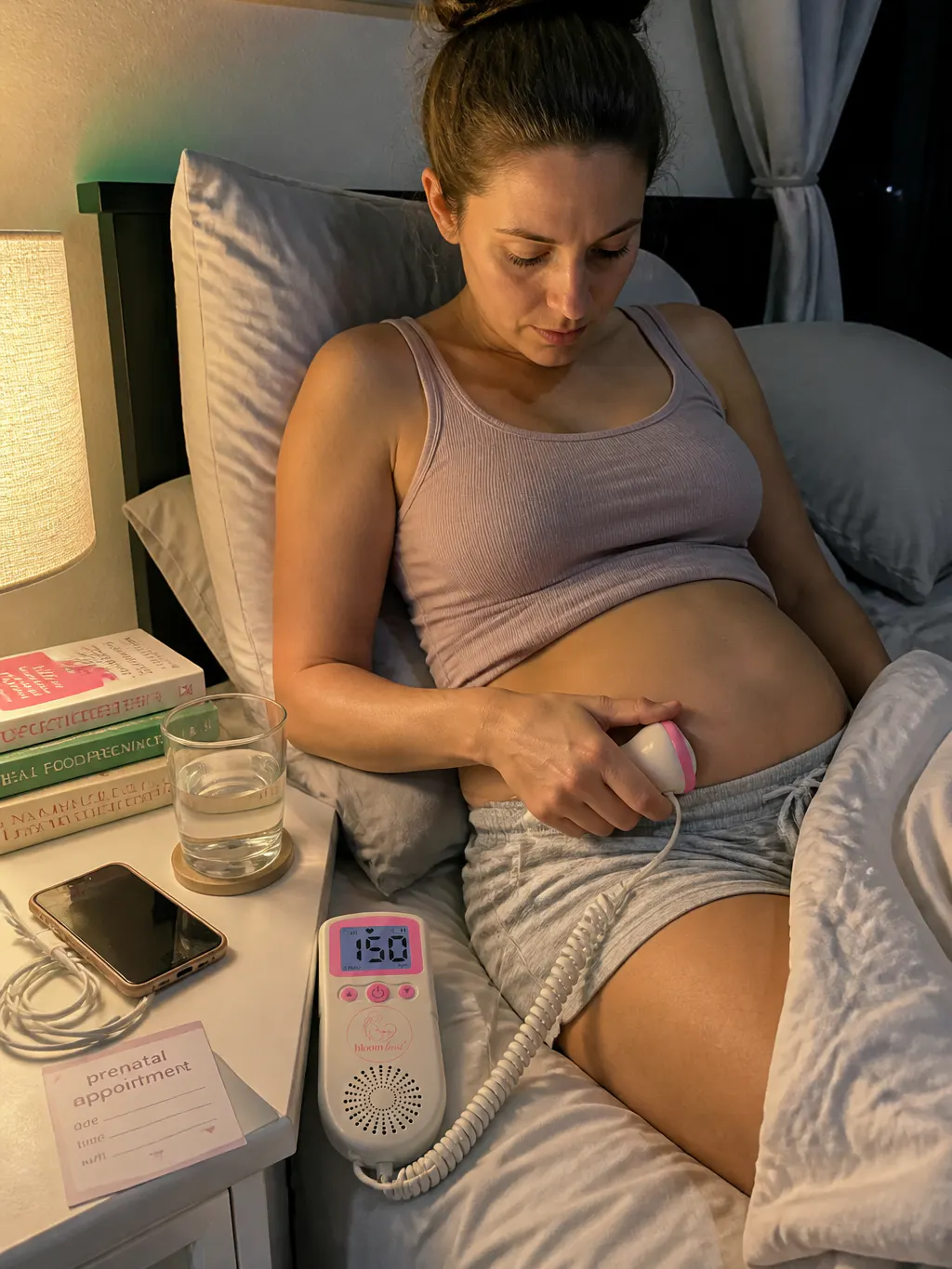
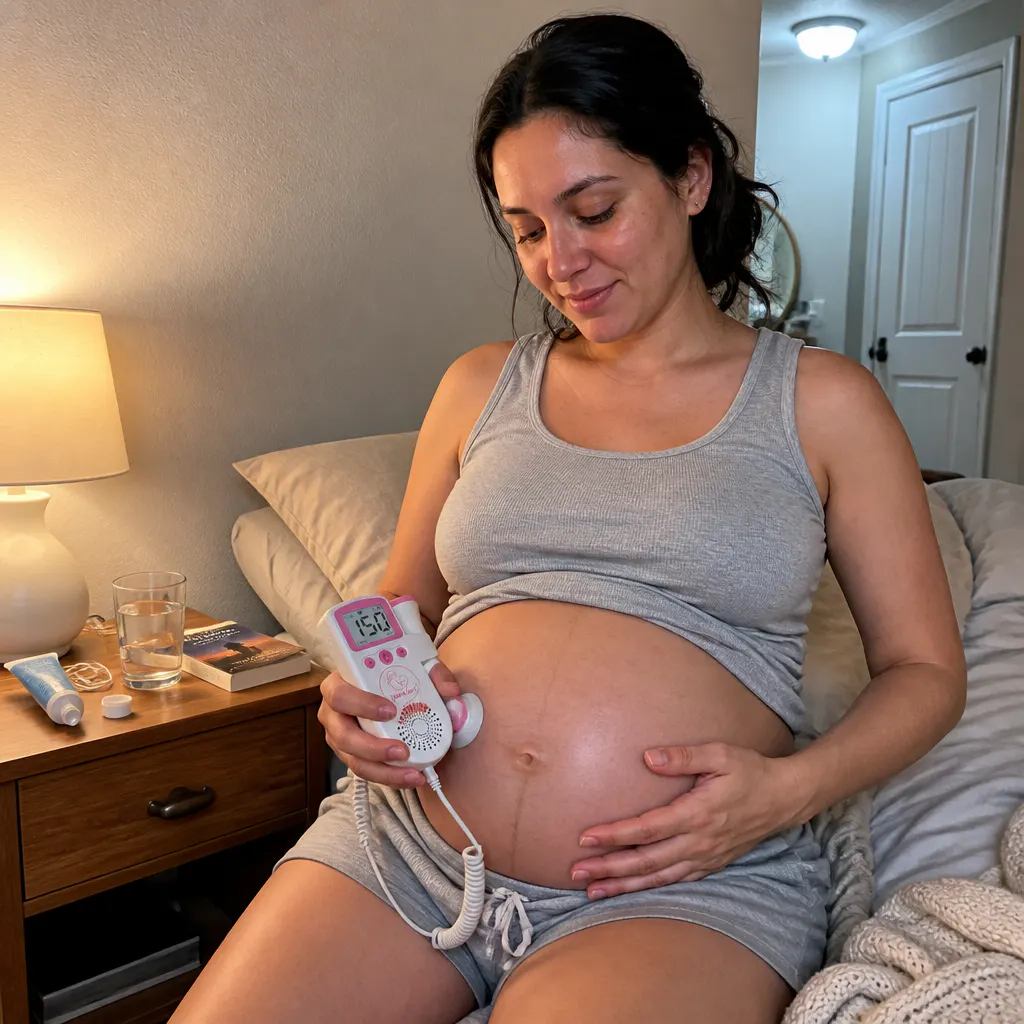
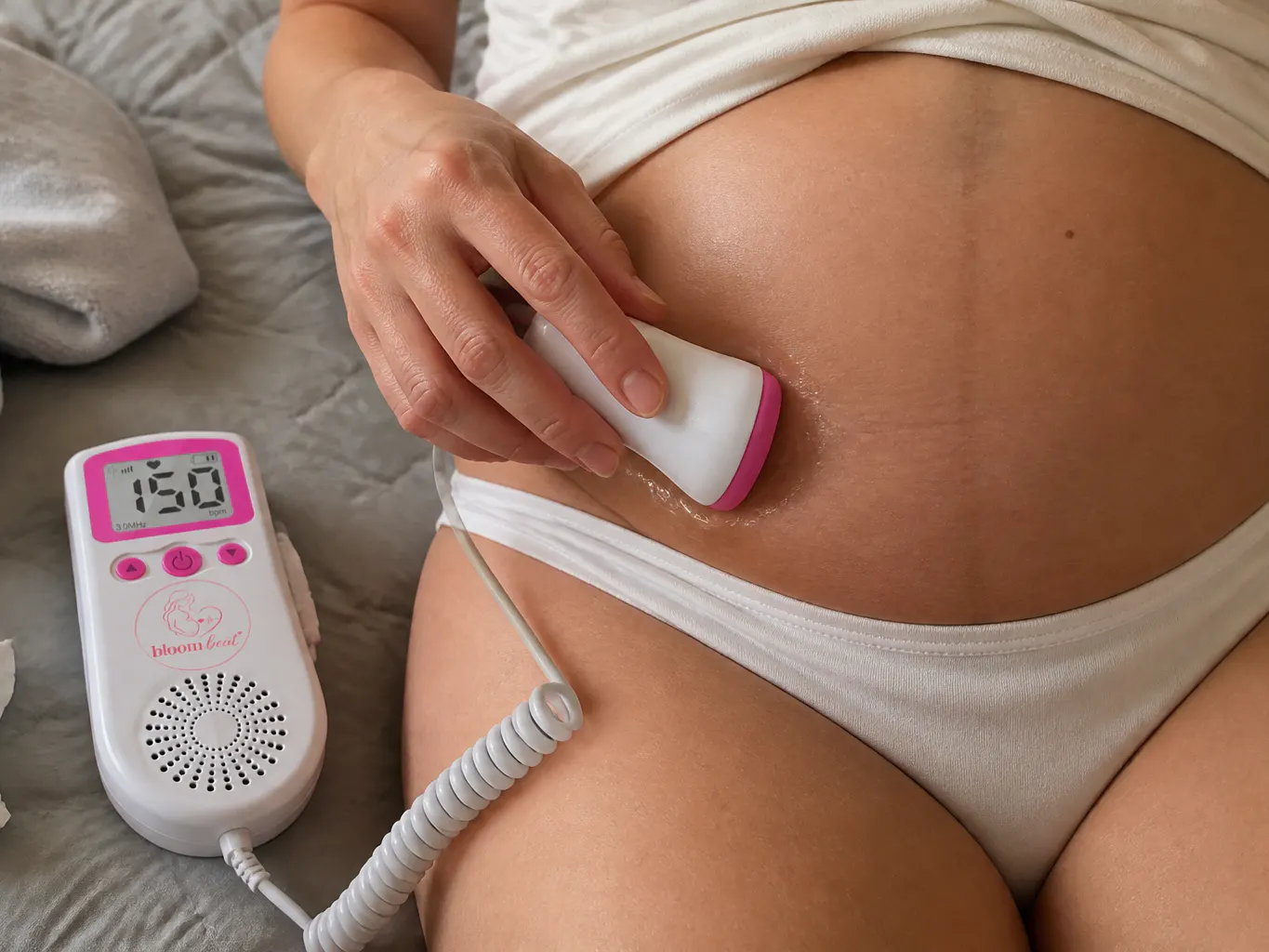
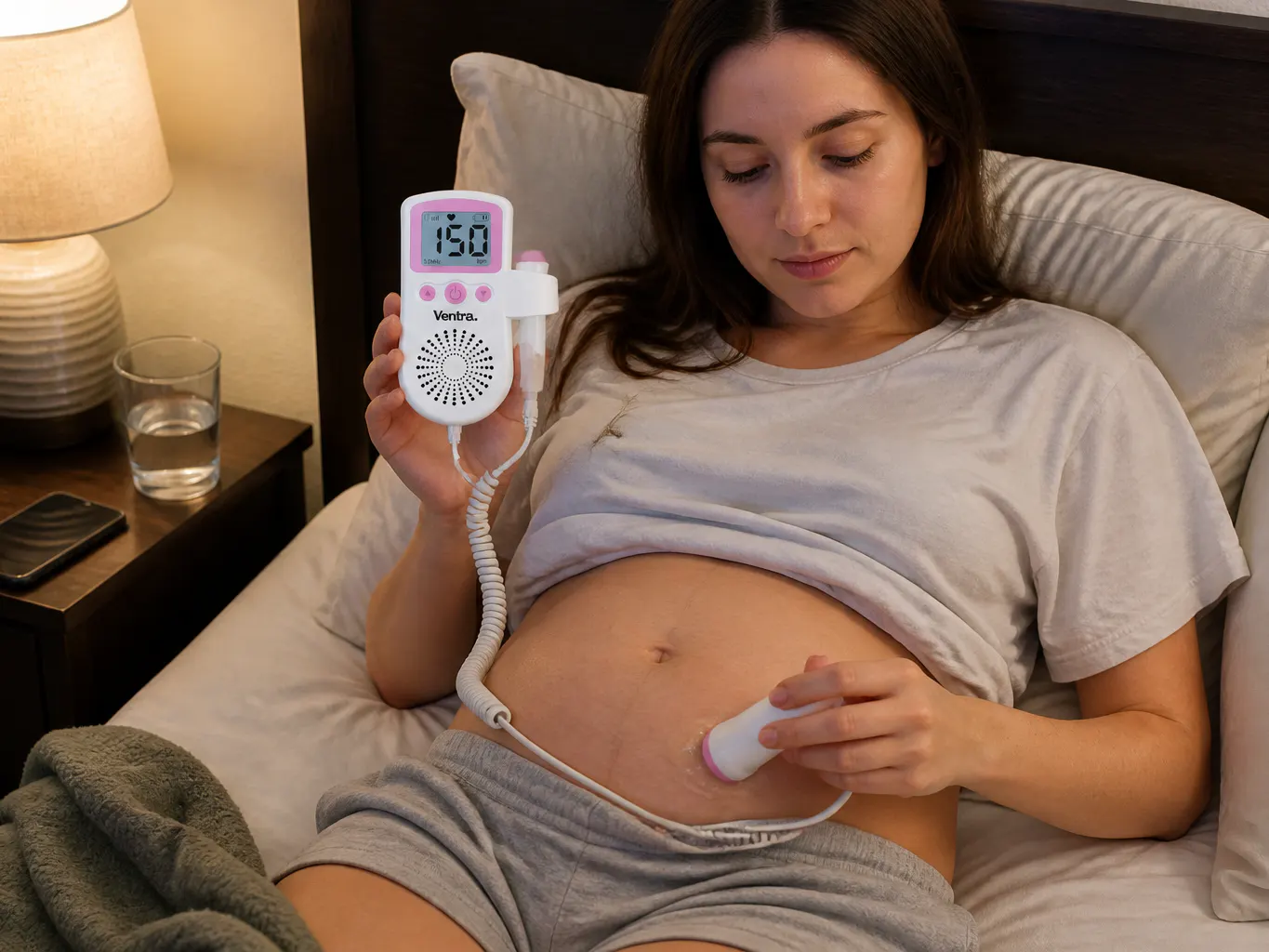
Probe held low on the belly at bedside, monitor screen reading 150 bpm

Live reading on screen. 150 bpm.


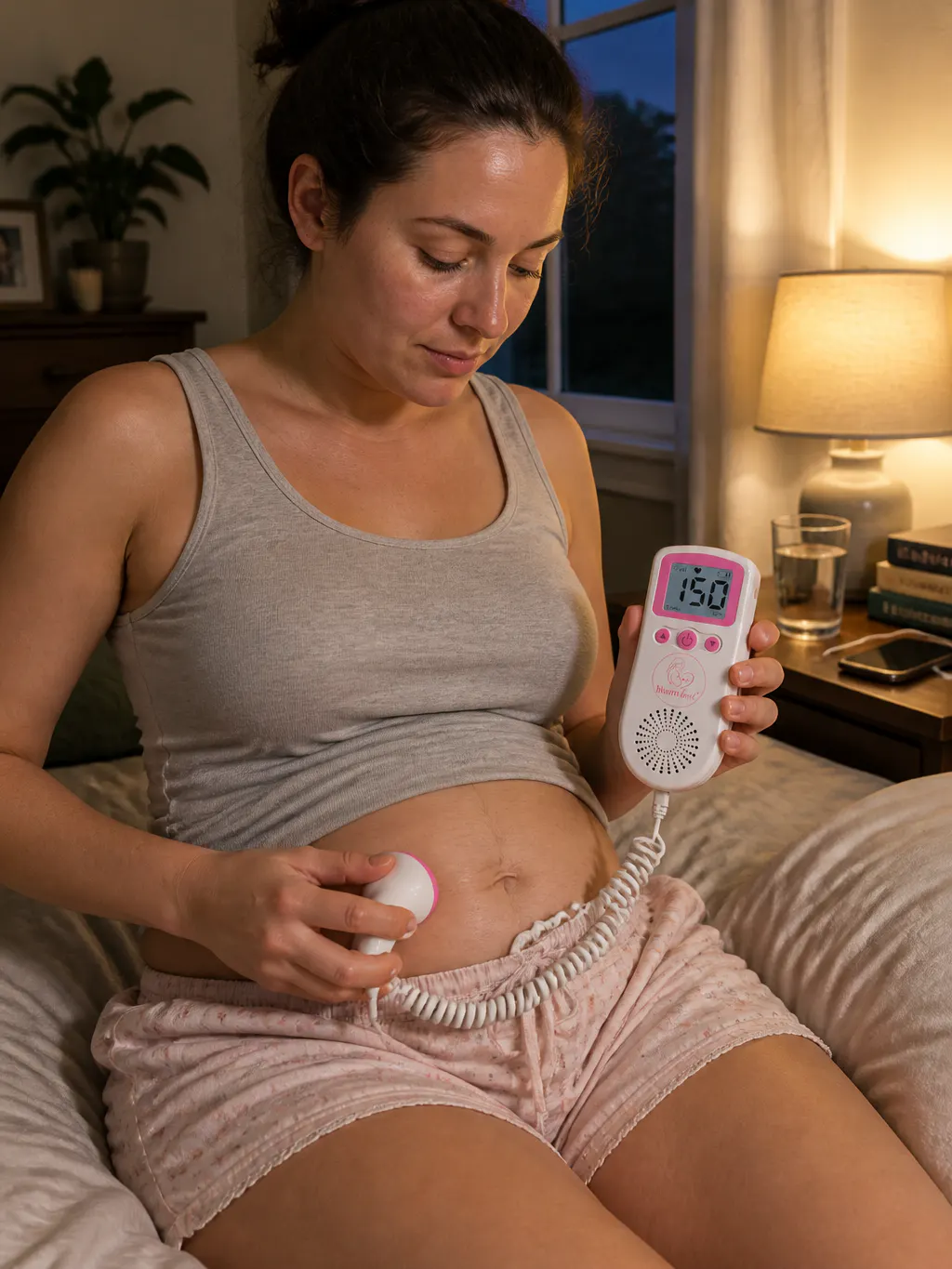
Dark bedroom at night, phone face-down on the nightstand
The 26 days between appointments

Nineteen More Days Of Not Knowing.

  • 6:00 PM

    You eat something bland. The nausea is easing, which somehow makes it worse, because the symptoms that were your only proof are fading.

  • 9:00 PM

    Three birth-month groups and r/BabyBumps. Someone posts about a 12-week scan with no heartbeat and your stomach drops.

  • 9:20 PM

    You lie flat and press your lower belly. Nothing. You tell yourself that is normal. It is normal.

  • 9:40 PM

    Your husband is asleep next to you. You do not want to wake him about this again.

  • Tomorrow

    Nineteen days until your next appointment. Then you do the same evening again.

Nothing is wrong with you. You were handed a life you cannot see, hear, or feel, and a calendar that answers once a month.

A 3.0MHz probe and a number on screen close that gap to about twenty seconds, any night you want it.


The mechanism

It Is A Listening Instrument, Not A Toy.
Close-up of the ultrasound probe head and coiled cord

Sound Waves. Not Radiation.

A 3.0MHz probe sends continuous sound waves into tissue and listens for motion. Nothing heats, nothing presses. It is a passive listening instrument - the same principle as the handheld unit at your appointment.
3.0 MHzprobe 0 Wheat / pressure
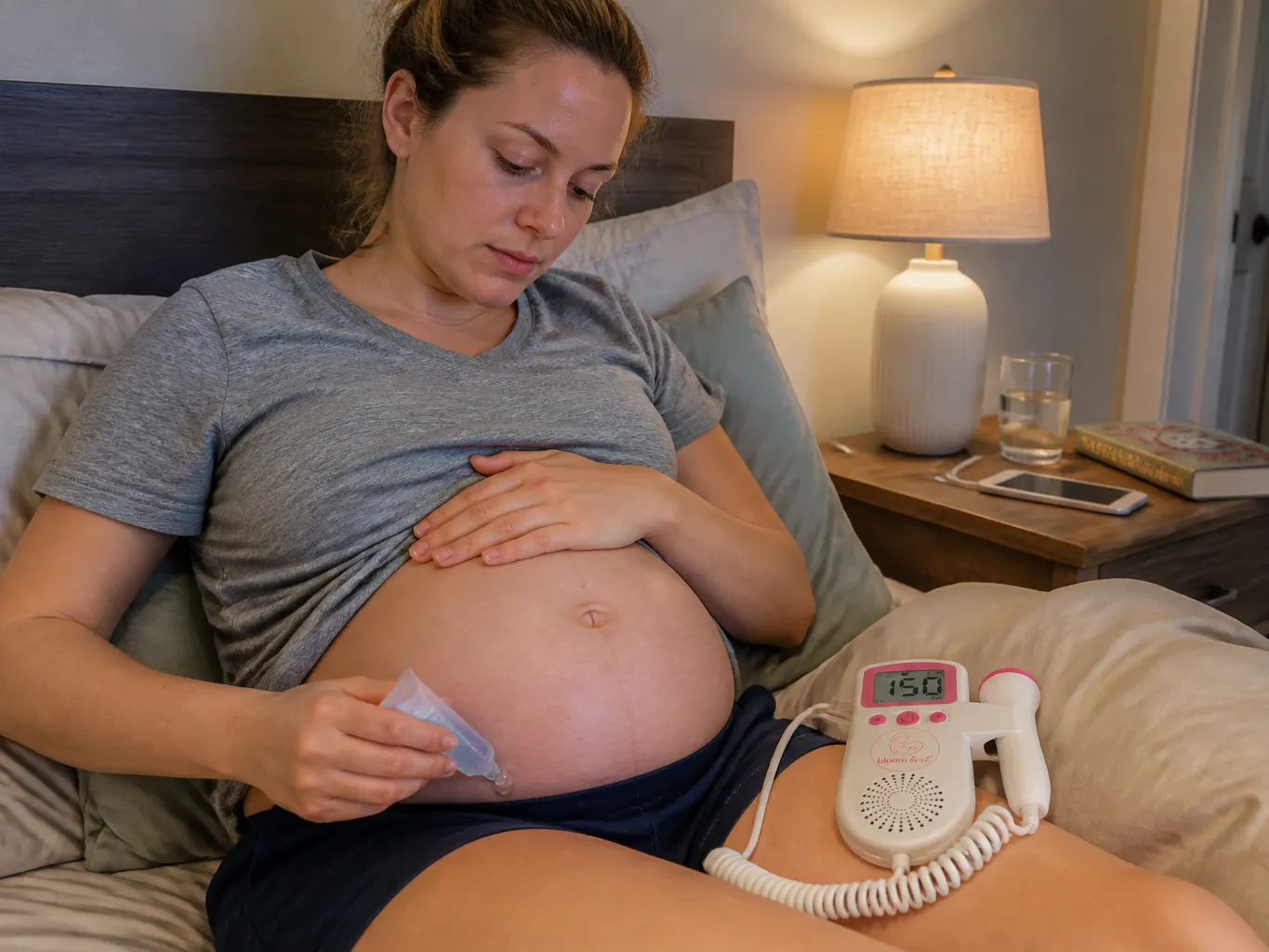
Conductive gel applied low on the abdomen, tube in frame

The Gel Is Not An Accessory.

Clear conductive gel removes the air gap so the sound waves can reach her. Two full tubes ship in the box, so you never have to ration it or substitute lotion - the single most common reason a first session fails.
2 tubesgel in box 60ssetup
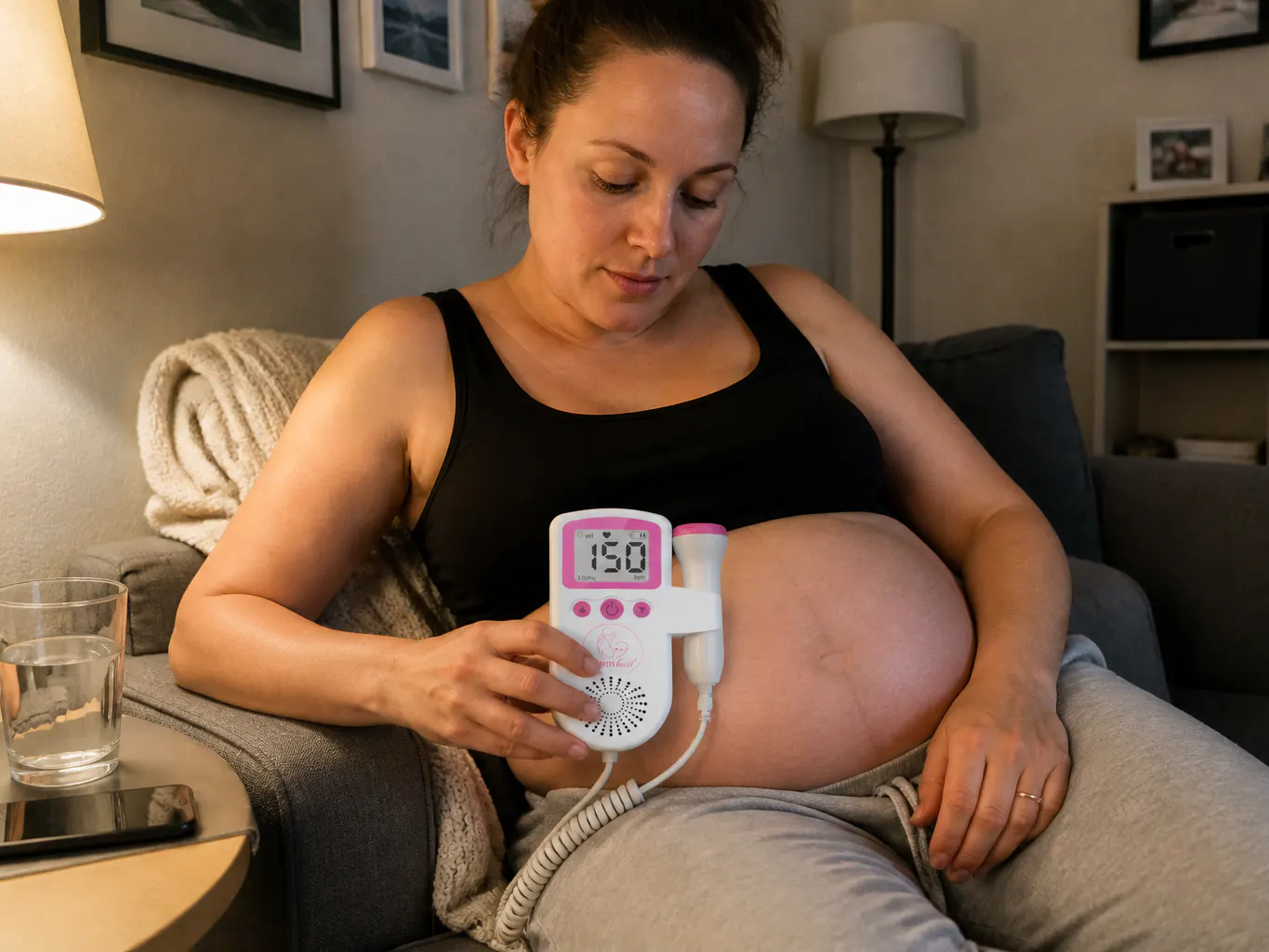
Monitor screen showing a live 150 bpm reading beside the speaker grille

The Number Tells You Which One You Are Hearing.

The screen shows the beats per minute it is detecting. Baby runs 110-160. You run 60-90. The placenta is a slow whooshing wind. That number is how you know it is her, not you.
110-160bpm baby 60-90bpm you
 
 
Midwife in a prenatal clinic room holding a handheld fetal monitor
Built on clinical principle

Midwives Recommend Learning Where To Listen - Not Just What To Buy.

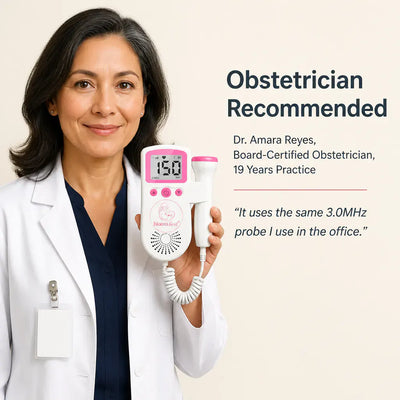
The handheld doppler used at a prenatal appointment and the one in your hand run on the same continuous-wave 3.0MHz principle. The instrument is not the variable.

What separates a useful session from a frightening one is technique - how low you start, how slowly you move, and how much gel you use. That is learnable, and it is the part the category usually leaves out of the box.

Illustrative professional
 
 
How to actually find her

Most People Search Twenty Centimetres Too High.
Lower abdomen placement diagram showing the search zone near the bikini line

She Is Sitting Far Lower Than You Think.

Before about 20 weeks, she is low in the pelvis - not behind your navel. Angle the probe down and inward toward the pubic bone and work in small sweeps from there. This single correction is the difference between a frightening session and a twenty-second one.

Low

Start At The Bikini Line

Not the belly button. Lie flat, expose the lower abdomen, and place the probe just above the pubic bone.

Slow

Sweep, Pause, Angle

Move in small sweeps and pause every few seconds. Sliding fast is the most common mistake - the sound needs a moment to land.

Gel

Use More Than You Think

A thin bead is why most first sessions fail. That is exactly why two full tubes ship in the box - so you never ration it.

What Is Normal, Week By Week

Commonly found from around 12 weeks. Often 14 to 16. Later with an anterior placenta or a fuller belly. Finding her one night and not the next is normal and is not a sign anything is wrong.

About twenty seconds at a time is all anyone needs. If you are ever worried about your baby, call your provider - not the doppler.

If You Are Plus Size Or Have An Anterior Placenta

This is a placement and patience problem, not a problem with your body. Start lower than the guidance above, use more gel, move more slowly, and expect a later first find. Thousands of mothers in both groups hear their baby - it just takes a few more weeks and a few more minutes.


Verified customers

"Heard Baby After A Few Minutes Of Trying."
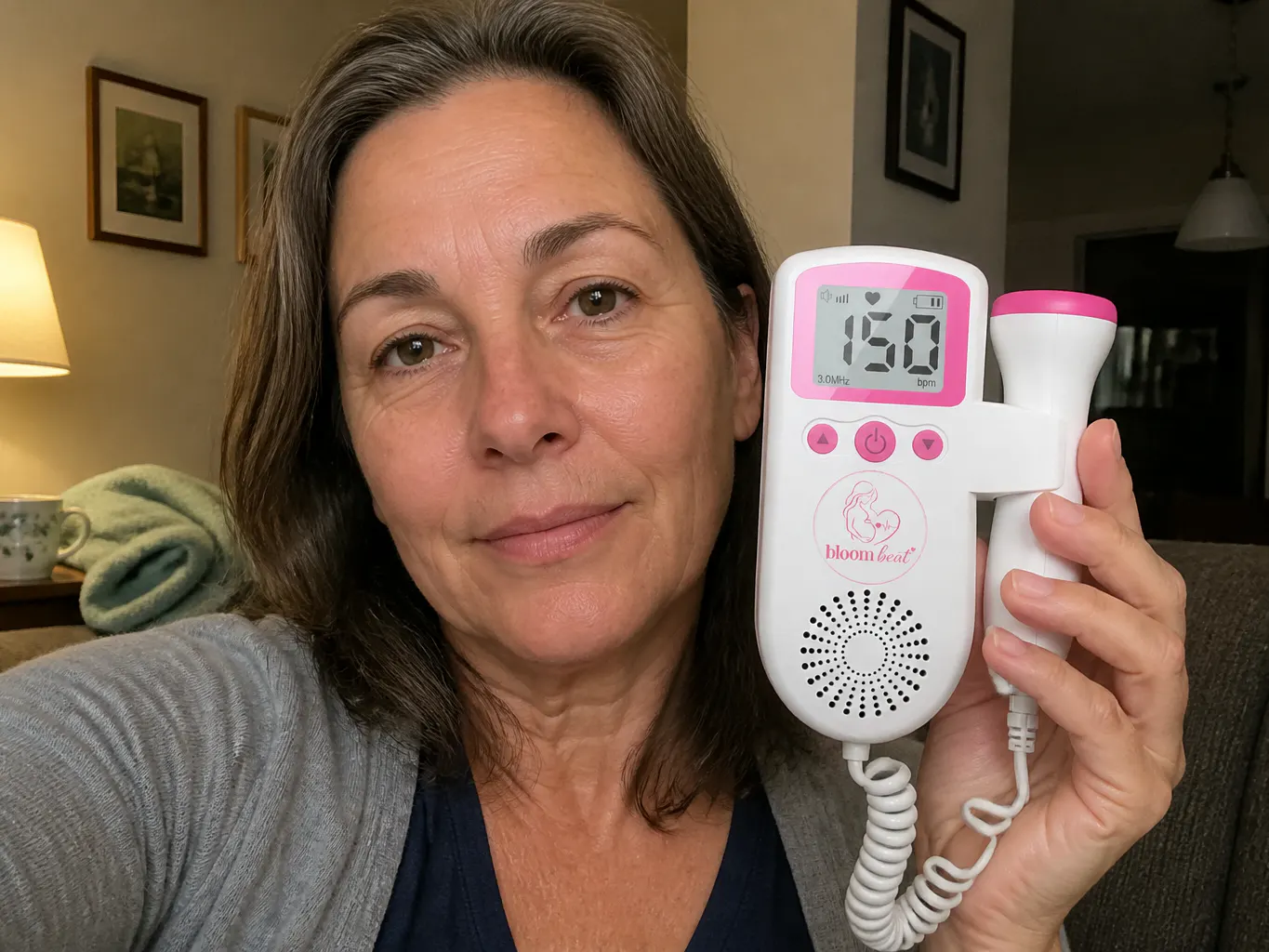
4.7 average 2,400+ verified reviews
Customer photo
★★★★★

I almost didn't order it. Every thread warned me it would make my anxiety worse. Heard her after a few minutes of trying. My husband and I both enjoyed it and it gave me a lot of peace of mind.

Rachel M. FTM · 13 weeks Using for 6 weeks Verified
★★★★☆

Took me until 15 weeks to find it consistently. I was searching way too high, near my belly button. Once I moved right down to the bikini line it was easy every time. I wish the placement guide had been the first thing I read.

Dana K. Rainbow pregnancy Using for 4 months Verified
Customer photo
★★★★★

Anterior placenta here. Nothing at 13 weeks and I spiralled a bit. Found her at 15 once I went slower and used way more gel. Now it takes about twenty seconds.

Priya S. Anterior placenta Using for 3 months Verified
★★★★★

Plus size mom. I'd been told at two appointments that she was hard to find, so I expected nothing. Took patience and a lot of gel, but I hear her most nights now.

Monique O. Plus size mom Using for 2 months Verified
Customer photo
★★★★★

I kept missing the scans for work and felt like a spectator. Hearing her out loud in our living room changed that completely.

Ellis B. Dad Using for 7 weeks Verified
★★★★★

Second baby, and the number on the screen is what sold me. It's very easy to tell the difference between my heartbeat, hers and the placenta.

Tamsin W. Second pregnancy Using for 3+ months Verified
 
 
Compared honestly

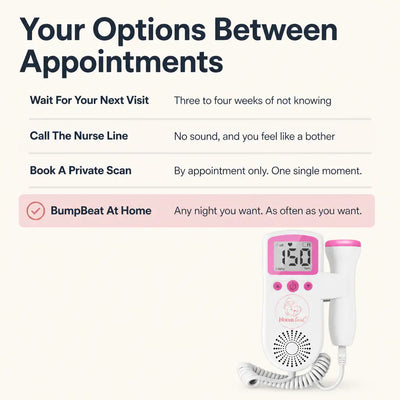
Your Options Between Appointments.

Side by side. No marketing. Every option a mother in week 13 actually has.

Wait for your next appointment
Cost Free
When you get an answer 3-4 weeks away
Tonight No answer tonight
Repeatable Once a month
Clinician interprets it Yes, at the appointment
Call the nurse line
Cost Free
When you get an answer Hours, if they call back
Tonight Reassurance, no sound
Repeatable You feel like a bother
Clinician interprets it Advice only, no listen
Private reassurance scan
Cost Far more than this
When you get an answer By appointment only
Tonight Not tonight
Repeatable One moment, then waiting
Clinician interprets it Yes - a real strength
✓ Best for the gap Ventra™ BumpBeat
Cost $49.90 (compare $89.90)
When you get an answer About twenty seconds
Tonight Any night you want
Repeatable As often as you like
Clinician interprets it No - you hear, you don't diagnose

The nurse line and a private scan are shown on wider screens - both cost you an appointment and neither answers you tonight.

A private scan wins on one thing that matters: a clinician interprets the result for you. BumpBeat is a listening instrument, not a diagnosis. It does not replace your appointments - it fills the weeks between them.
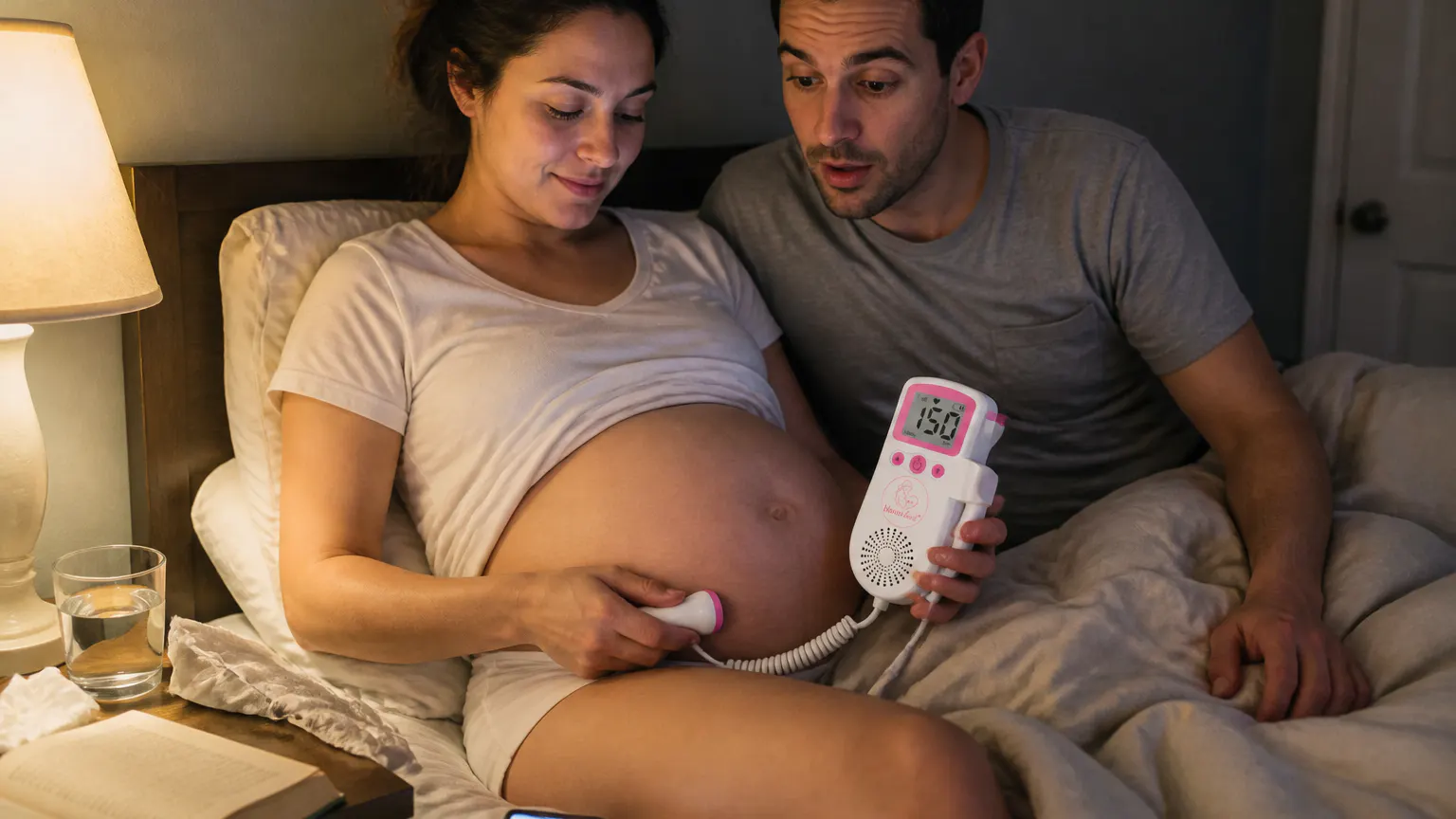
 
 
The second act

Her First Hello, Loud Enough For The Whole Room.

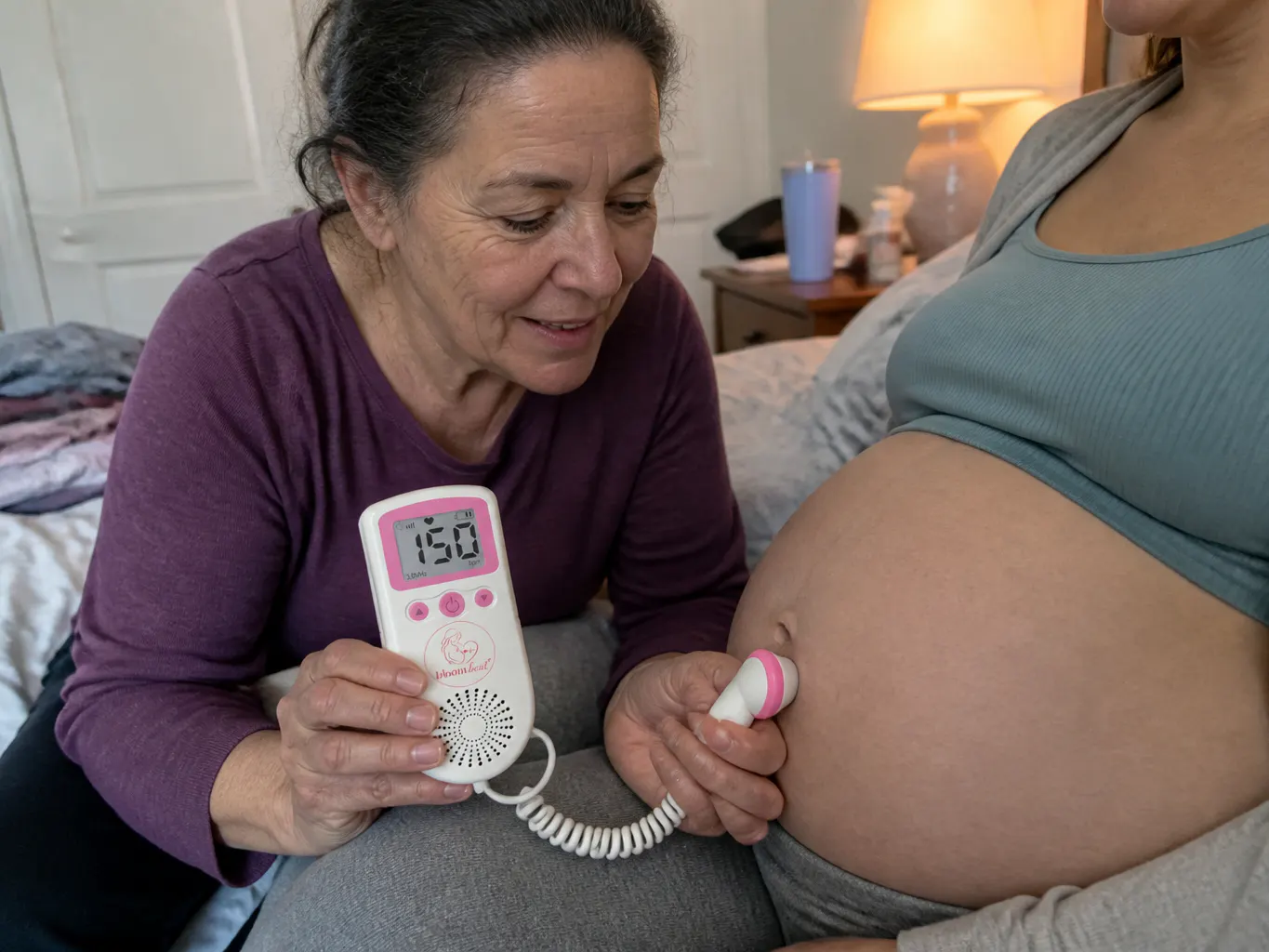
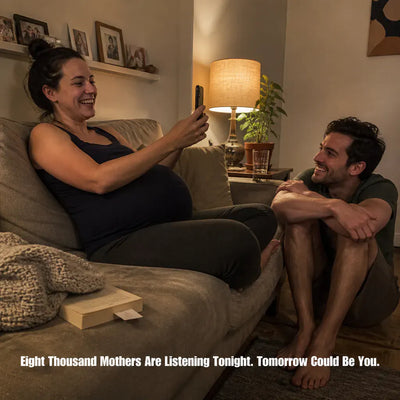
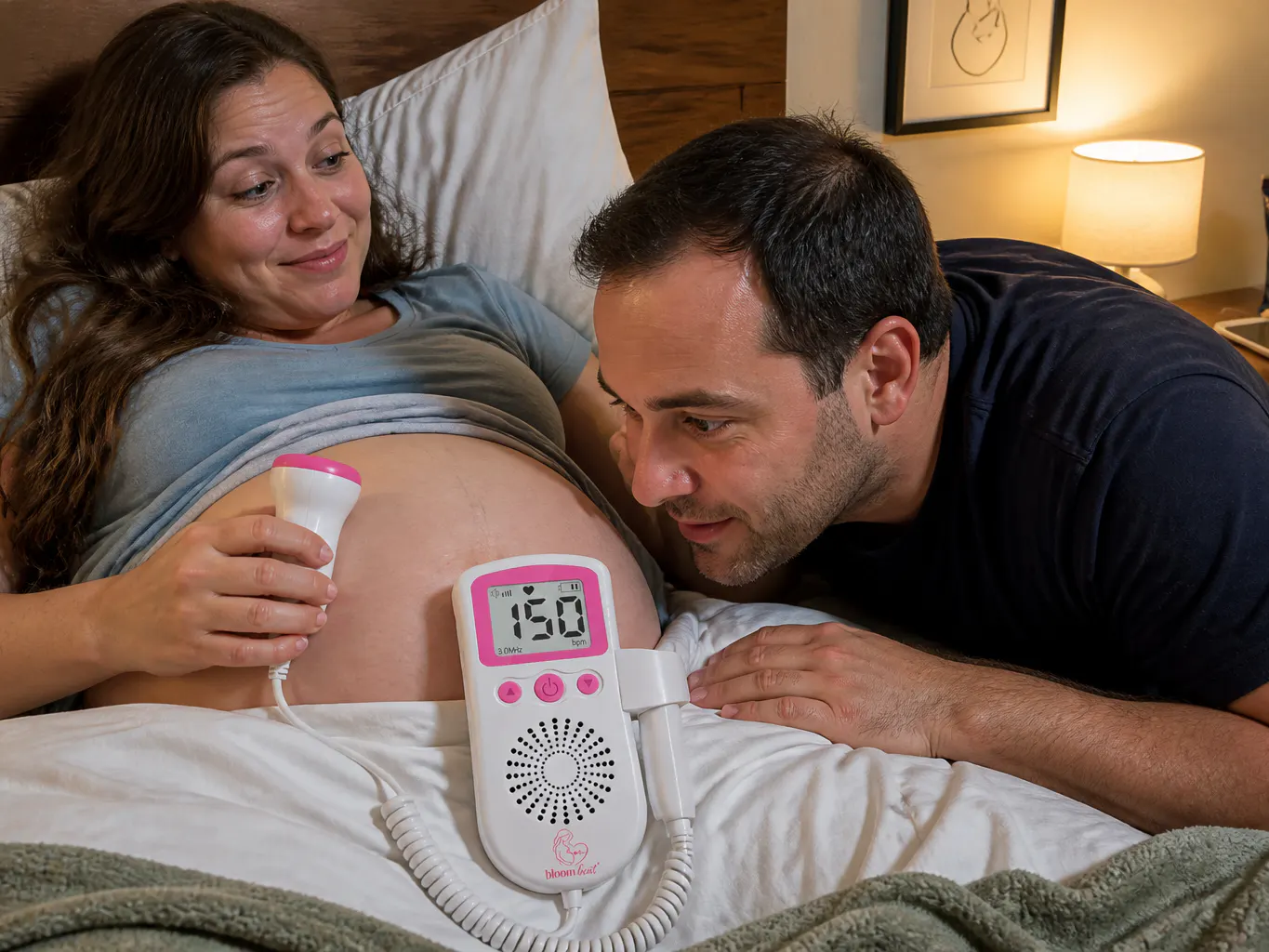
BumpBeat plays out loud through its built-in speaker - no headphones, no small screen to crowd around. He hears her. Her big brother hears her. It stops being something happening only inside your body.

"It turned into our little nightly thing."
 
 
Filmed at home

Real First Listens.

Noor A.
Noor A. 14 weeks · anterior placenta
Upload: partner kneeling at the couch, coat still on
Callum R. Partner · home from work
Upload: toddler's face at the moment of recognition
Yara T. Big brother, 4 · 17 weeks
Upload: plus-size mother finding it, week on screen
Bethan P. Plus size mom · 16 weeks
Upload: gel application and setup, unpolished phone shot
Sione M. First setup · gel and go
Customer photo

I used to google symptoms until 2am. Now I listen for twenty seconds and go to sleep.

Marisol V. FTM · 18 weeks
Answered honestly

The Questions You Already Searched.


30 Days To Hear Her. Or Your Money Back.

The same 3.0MHz probe as the office device, with the technique that actually finds her - and the useful window is the weeks you are in right now.

Hear Her Tonight

Free shipping worldwide · 30-day money back guarantee · 1 year warranty