
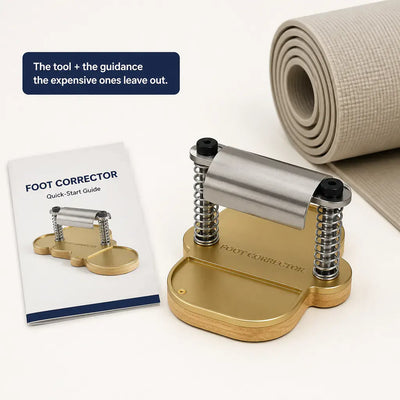

My Arch Fell. This Is the Only Thing That Worked.
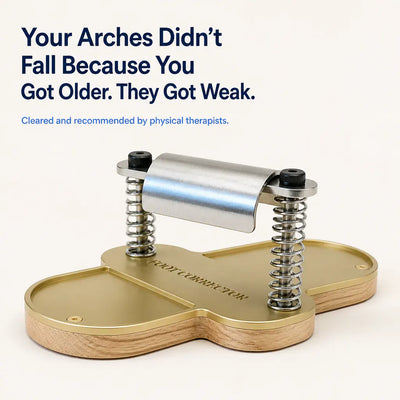
A spring-loaded press-down that actively rebuilds the arch and foot muscles orthotics only cushion - the proven tool studios use, five minutes a day.
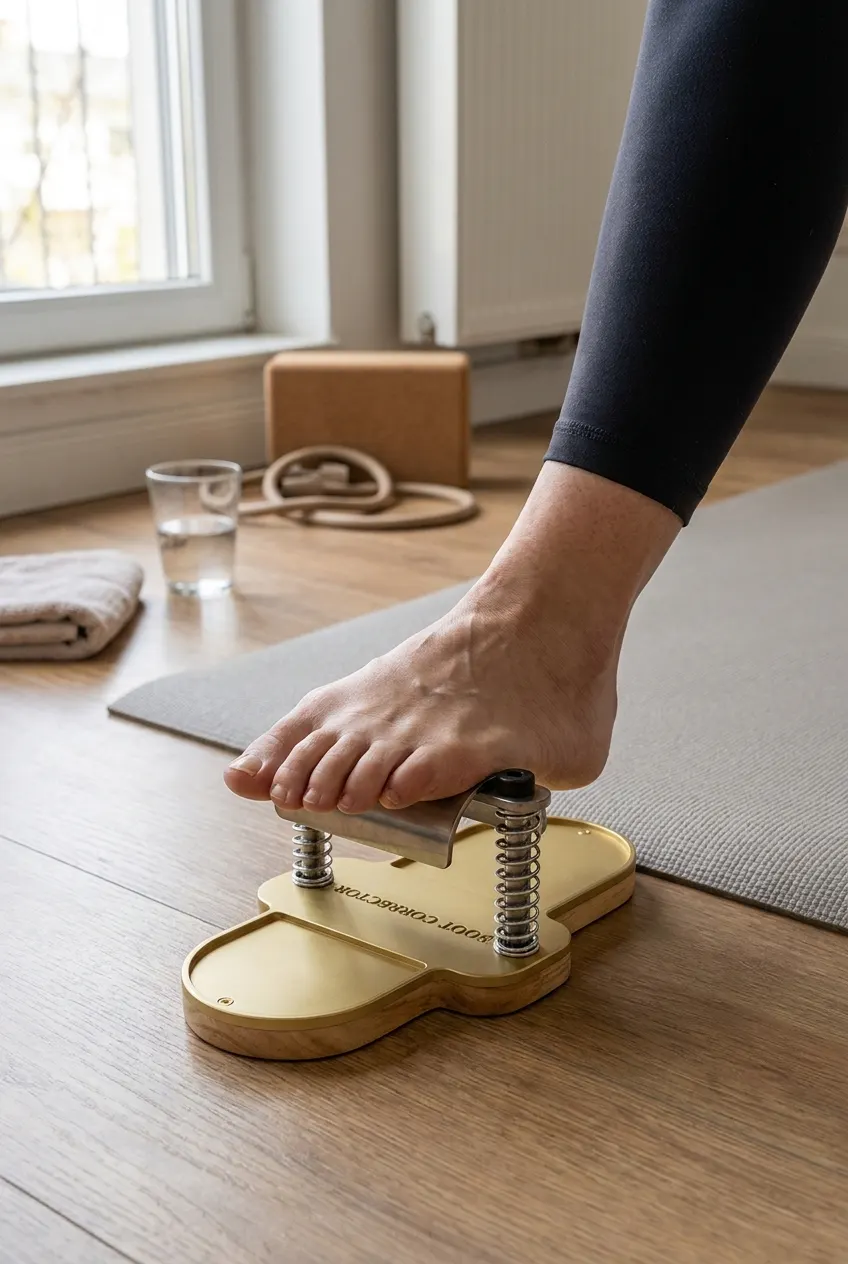
6am Sharp Heel Pain. 2pm Avoiding Standing. 9pm Aching Again. Sound Familiar?
6:00 AM
The first steps to the bathroom are the worst - sharp heel and arch pain the moment your feet hit the floor. You brace for it every single morning.
10:30 AM
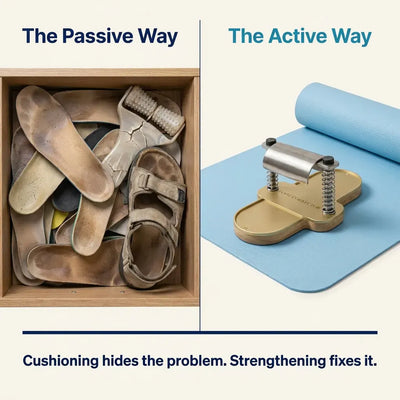
You're already shifting your weight, hunting for a way to stand that doesn't ache. The expensive orthotics in your shoes cushion the pain - they never make your feet any stronger.
2:00 PM
You catch yourself avoiding the standing tasks, the extra walk, the stairs. There's a foot roller somewhere in a drawer and YouTube stretches you do maybe twice a week.
9:00 PM
Feet up on the couch, arches aching again. This isn't a mystery ache - it's mechanical weakness. And weak muscles are the one thing a strengthening tool can actually rebuild.
The Quiet Fear
After the pills, the pads, and the pricey inserts, you've started to wonder if your feet will just never get better. They will - because the problem was never that you weren't trying. It was that everything you tried only cushioned. Nothing strengthened.
"I could not wear any shoes until I learned to use the foot corrector daily. It works great."
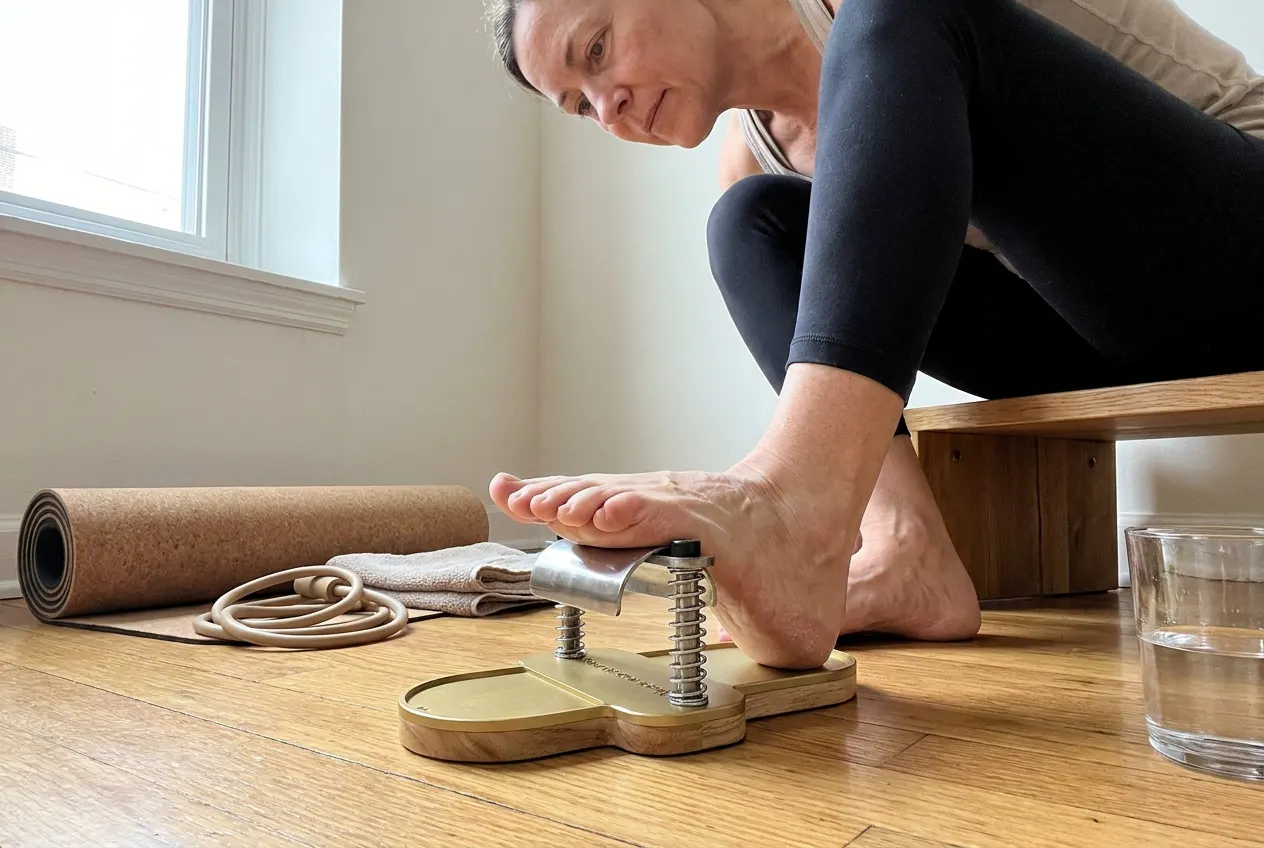
Press Down Against the Spring. That's What Rebuilds the Arch.
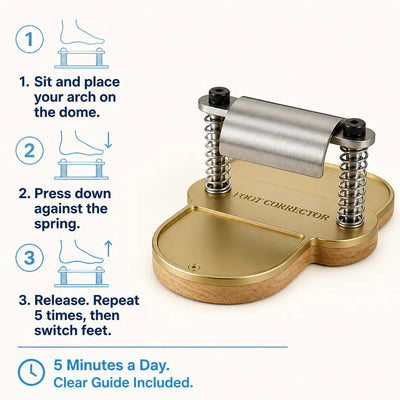
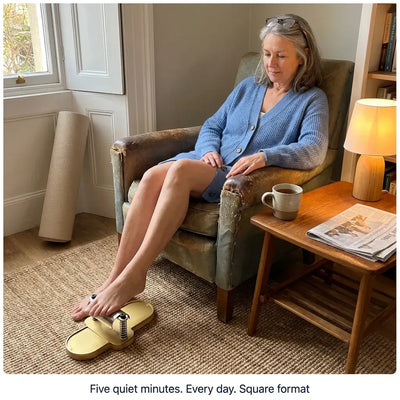
You sit, place your arch on the curved steel dome, and press down against two coil springs - 5 to 10 controlled press-downs per foot. Pressing down loads the muscle; the spring lifting back up completes the rep. It's real resistance training for your feet, in five minutes.
Orthotics passively support your arch - they never make it stronger. This loads it, so the muscle rebuilds. That's the difference between managing the pain and fixing the weakness underneath it.
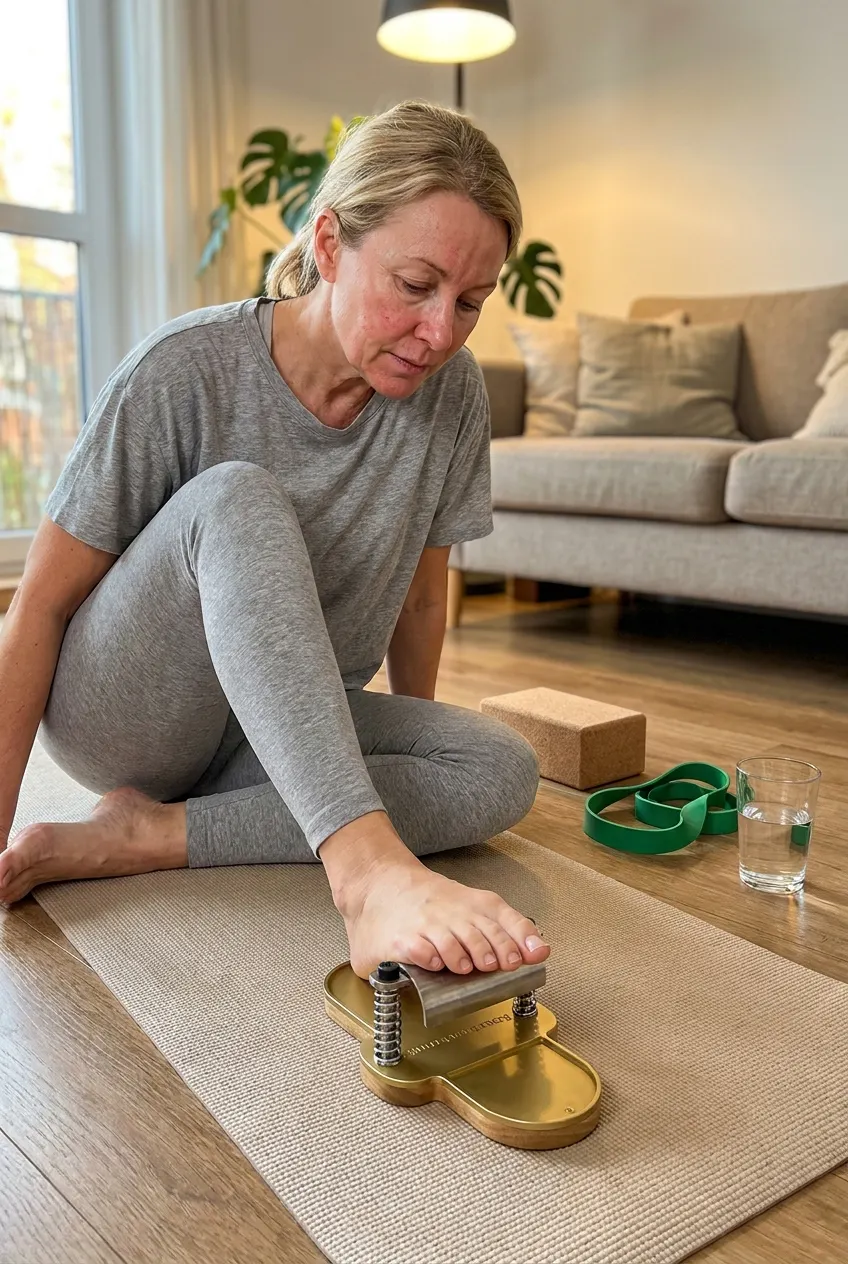
The Foot Corrector You'll Actually Use.
Sit down and place your arch on the dome
Rest the arch of one foot on the curved steel plate, heel and toes toward the edges. No standing, no floor exercises.
Press down against the spring, 5 to 10 times
Load the arch downward, feel the resistance, then let the spring lift it back up. Slow and controlled - that's one rep.
Switch feet, repeat
Do the same set on the other foot. Both feet done in about five minutes, sitting on your couch or at your desk.
Follow the included routine daily
Every unit ships with a clear step-by-step guide - so you never have to hunt down a video or guess at the technique.
Wood, Steel, Two Springs - and the One Thing the Expensive Ones Forget
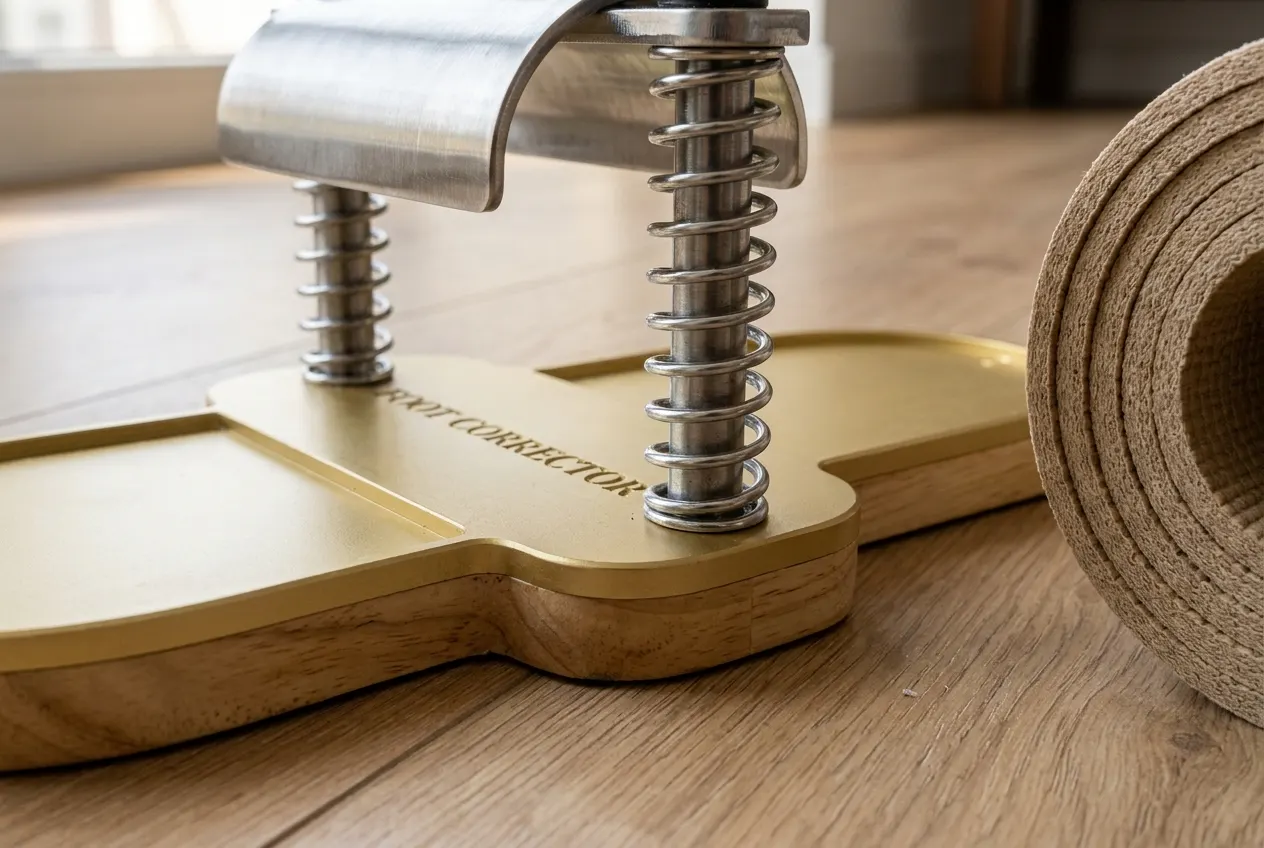
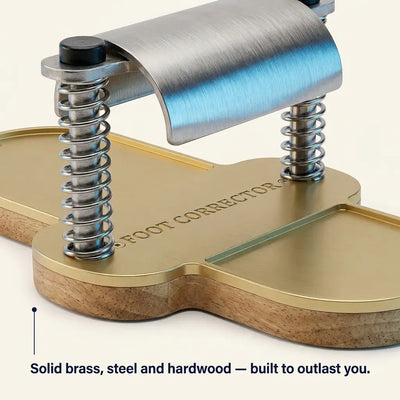
Two Coil Springs You Press Into
This is the part that separates strengthening from cushioning. Your arch presses down against real spring resistance and the spring pushes back - loading the muscle on the way down, working it on the way up. It's the mechanism, not a soft pad your foot just rests on.
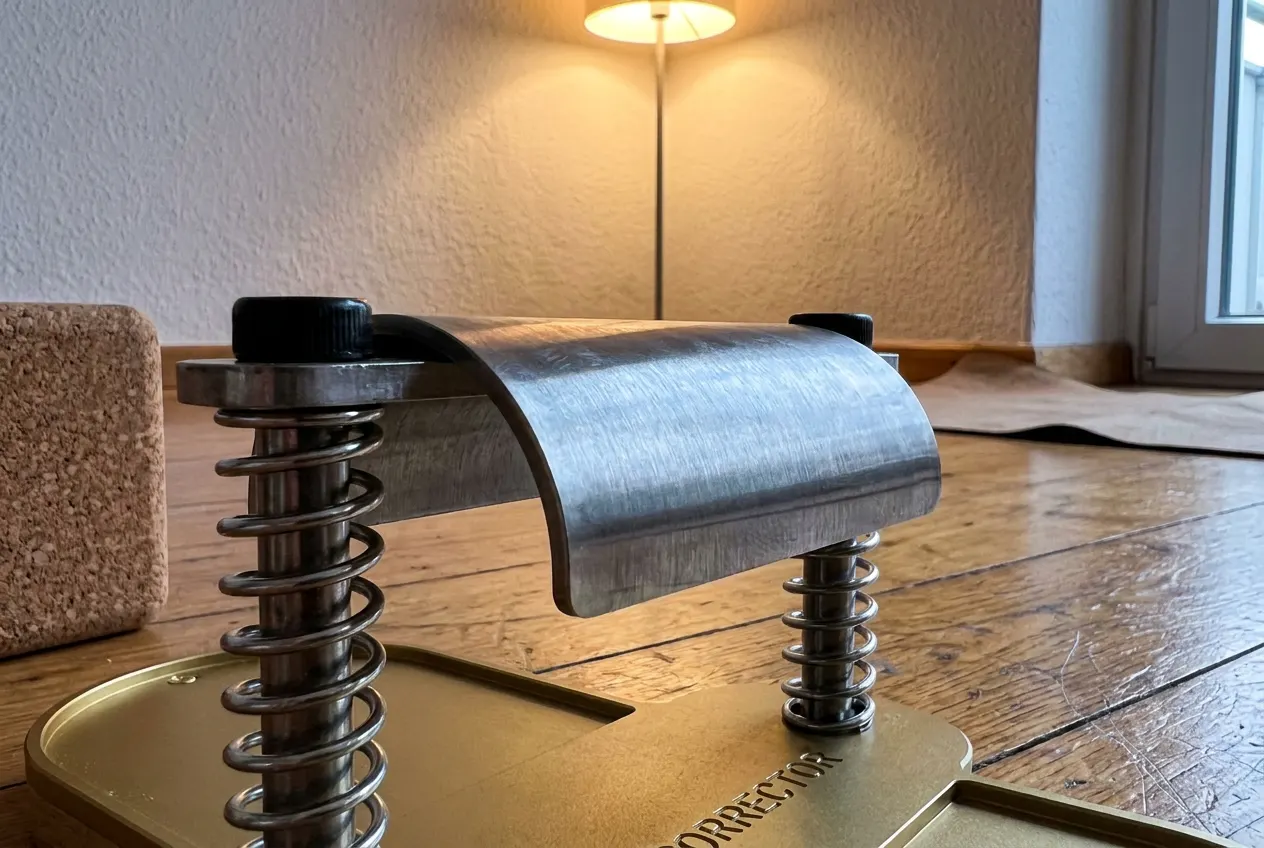
A Smooth, Balanced Foot Plate
The curved steel plate cradles your arch on a smooth, even surface - no rocky edges or wobble, so every press-down lands where it should.
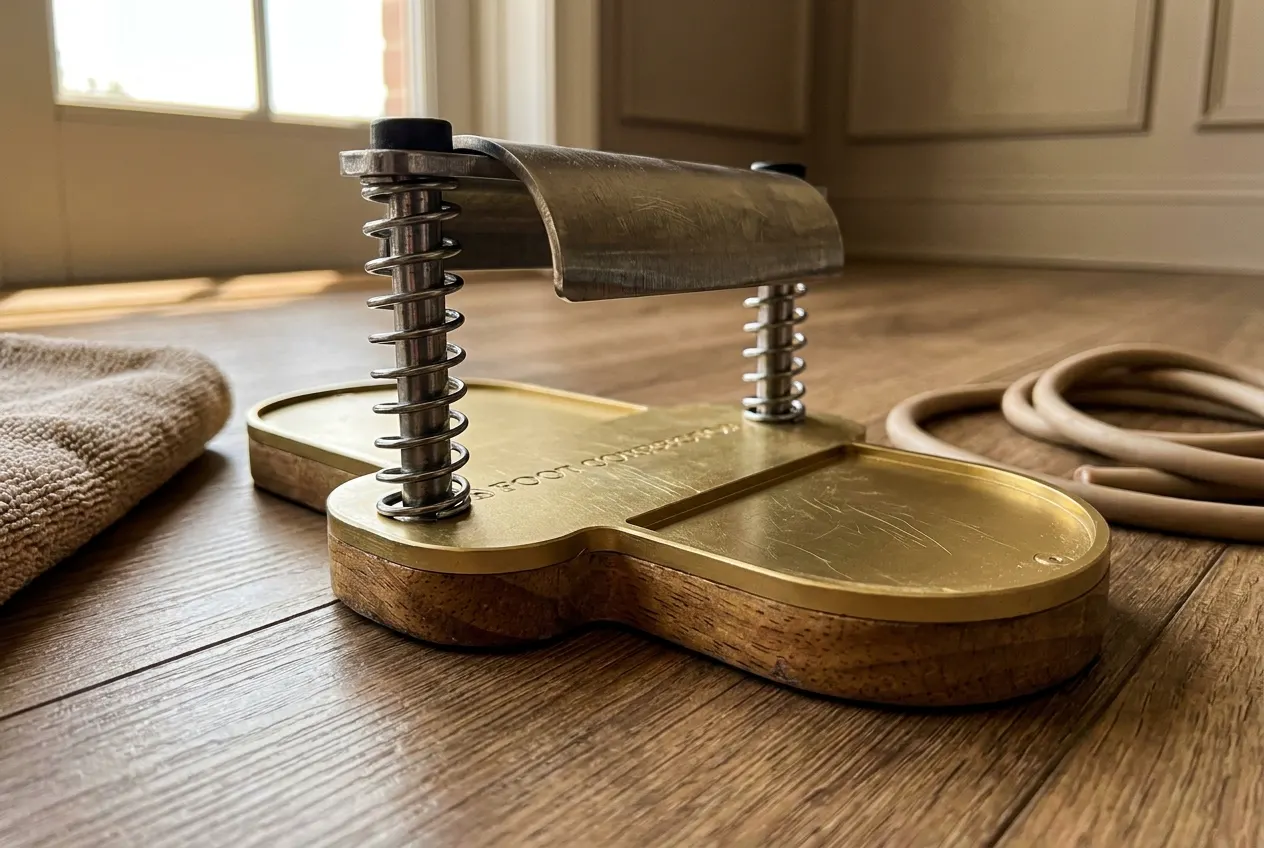
Stays Put While You Work
A solid, weighted base keeps the corrector anchored to the floor so you press into it, not chase it around. Built to last a lifetime of daily use.
A 5-Minute Routine You Can Follow From Day One
Every corrector ships with a step-by-step guide so you know exactly how to press, how many reps, and how often - the one thing the $175-$200 studio brands are notorious for leaving out.
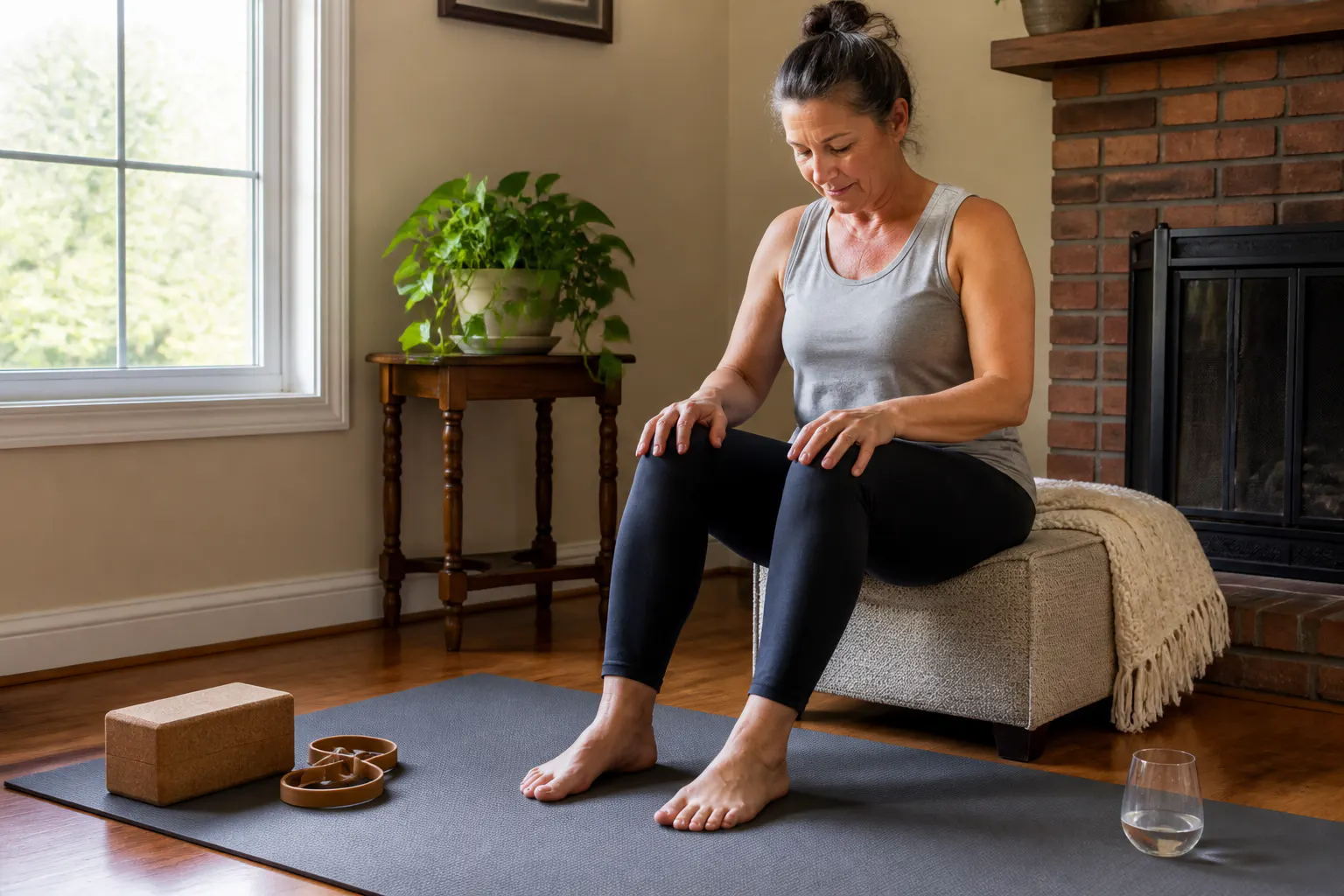
The Walk You Gave Up. The Shift You Dreaded. Yours Again.
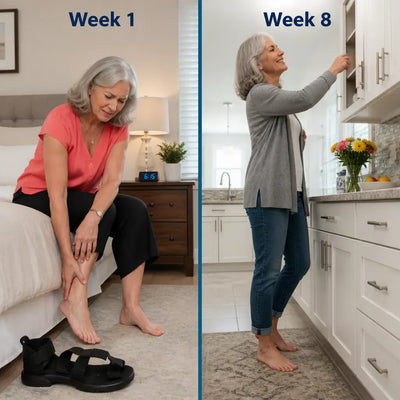
There's a moment when the morning steps stop making you brace. When you take the walk, stand the full day, step back onto the mat - and your feet just carry you, without the ache running the show. That's what strong arches feel like: a foundation you stop thinking about, because you finally trust it.
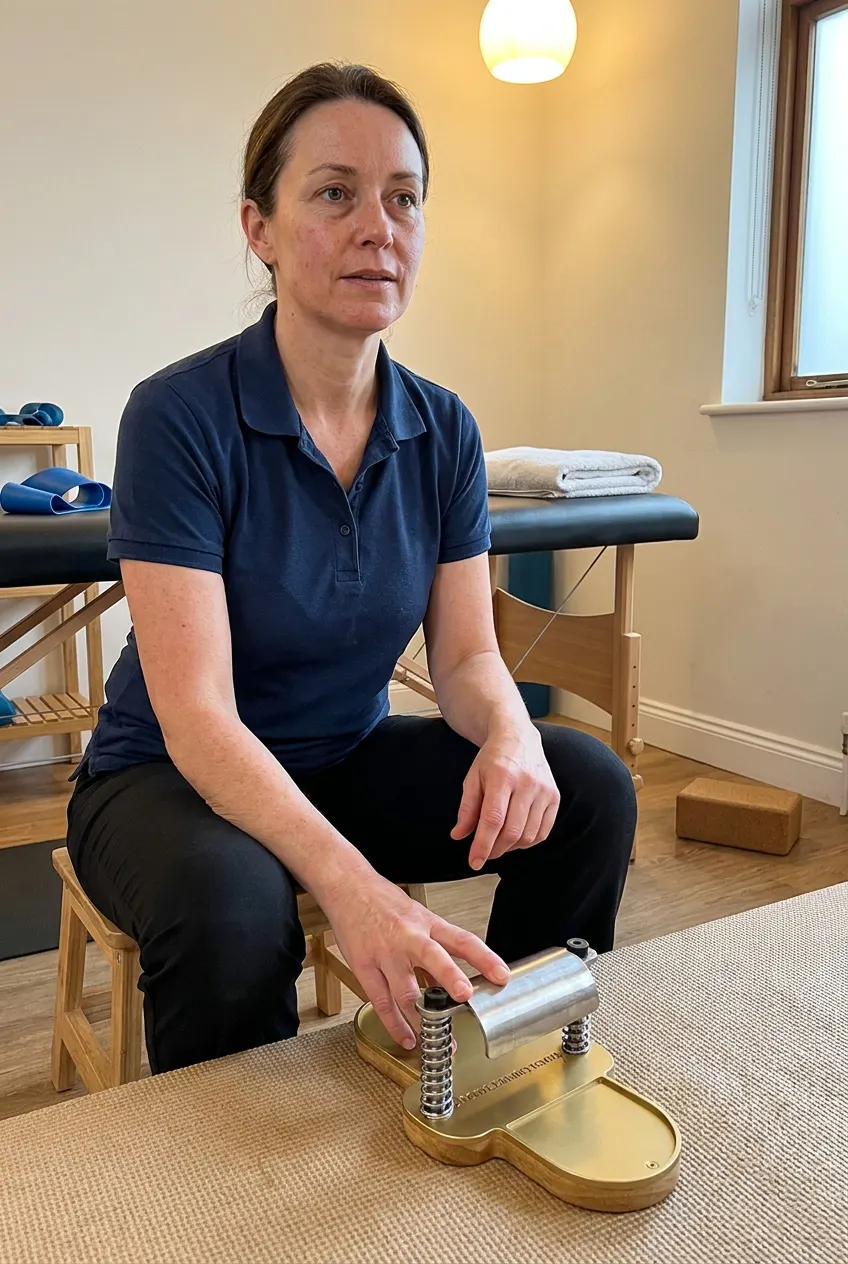
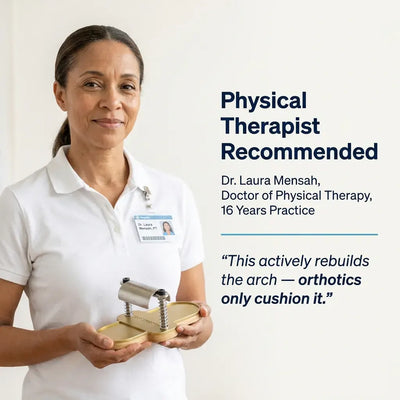
Physical Therapists Rebuild the Foot With Resistance - Not Just Cushioning
"The foot is a set of muscles like any other, and muscles get stronger under load, not under padding. Spring resistance lets the arch work through its full range - pressing down to load it, releasing to lengthen it. That controlled load is exactly how you retrain a weak or fallen arch, which is why correctors have a place in foot rehab that a passive insole simply can't fill."
Doctor of Physical Therapy · Foot & Ankle Rehabilitation
An honest note on starting out
It can feel tender in the first sessions - that's the muscle waking up. Start gentle, use fewer press-downs, and build gradually. If your condition is severe or you're in acute pain, check with your doctor before beginning; this is a strengthening tool, not an instant fix.
From "It'll Never Get Better" to Walking Pain-Free
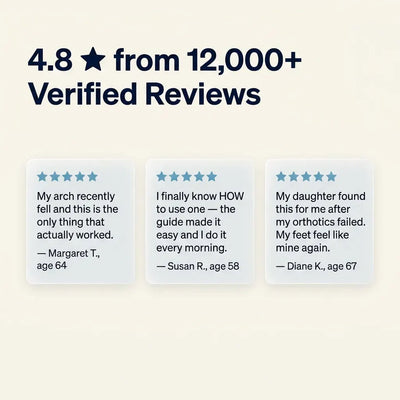
4.8 average · 12,000+ verified reviews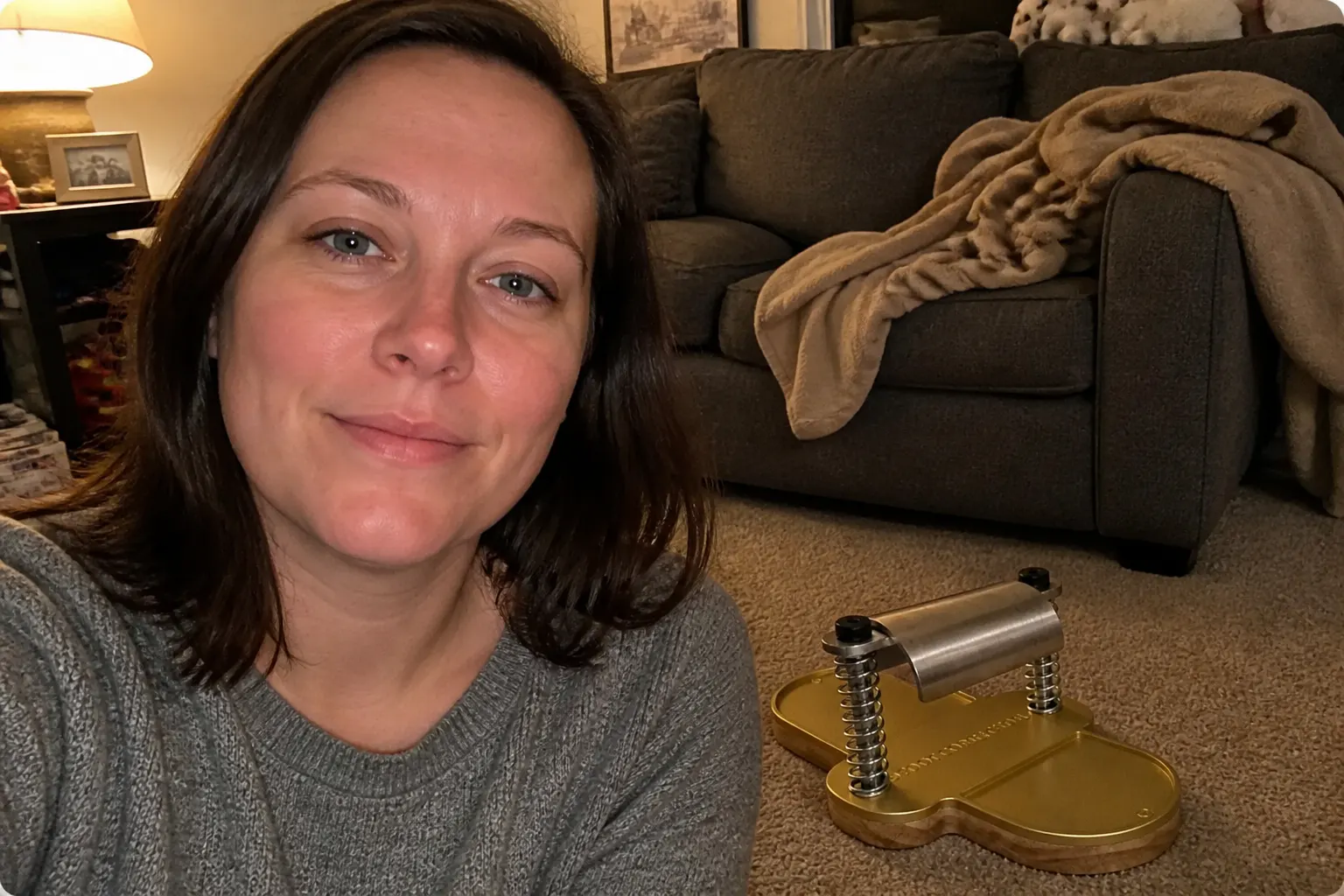
My arch fell last year and it was genuinely miserable to walk. This is the only thing that's actually made a difference. Five minutes every night on the couch and my feet feel like mine again.

I have inflammatory arthritis that hits my feet hard. The corrector has helped alleviate my pain and the swelling more than I expected. The included guide made it simple to start.

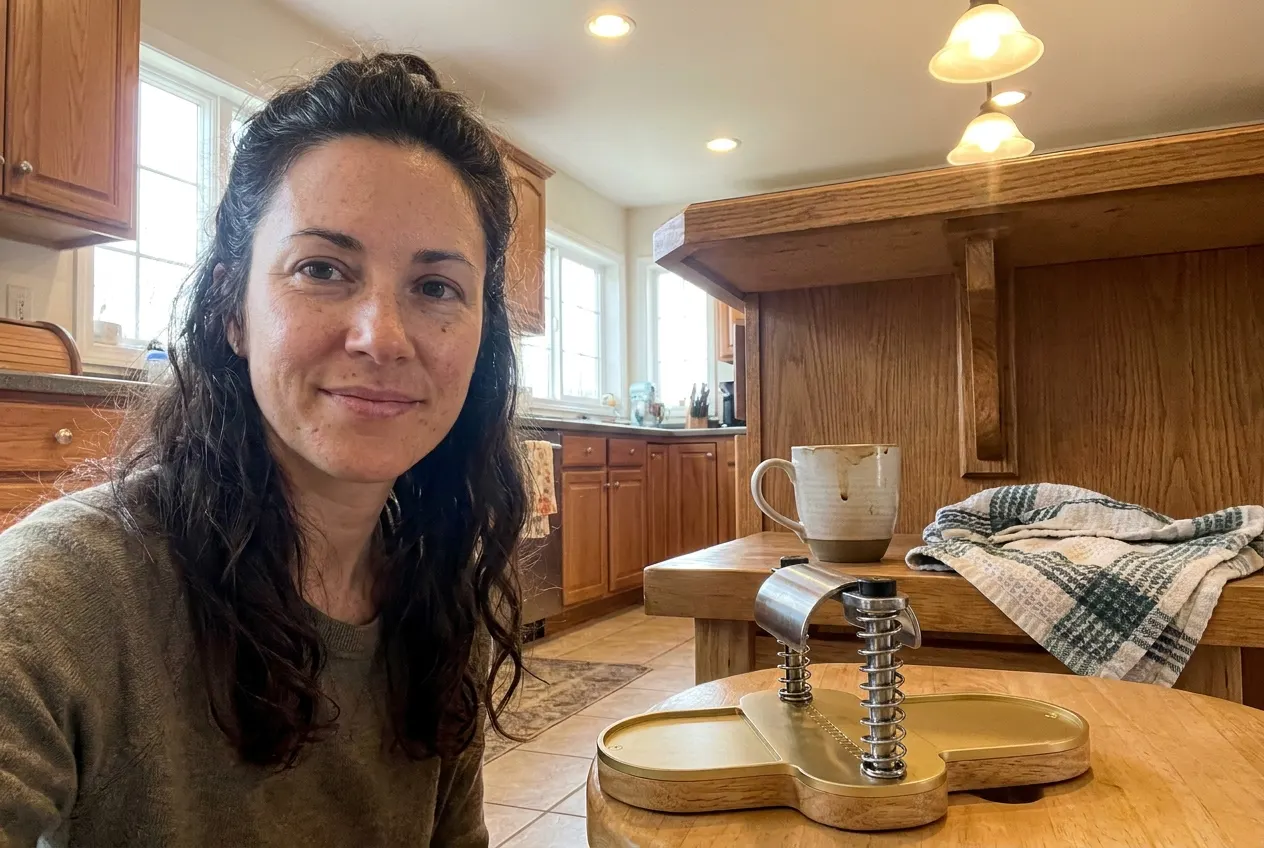
Honest review: the spring felt stiff the first week and it was a little tender. I started gentle like the guide says and now three months in my morning heel pain is way down. Stick with it.

I recommend this to my clients constantly. Same proven design the studios sell for triple, and mine finally came with clear instructions people can actually follow.

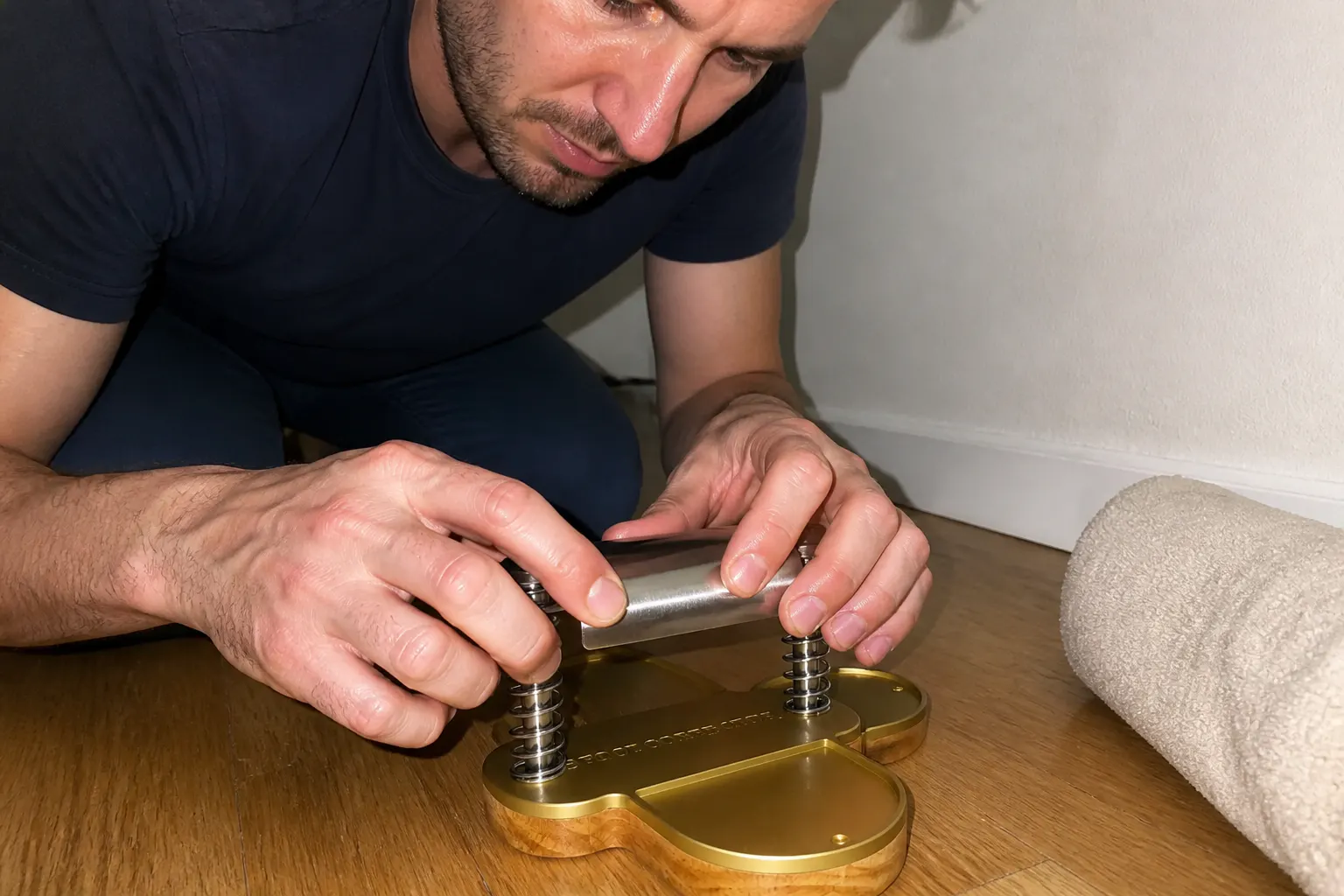
After an ankle injury my balance was shot. This helped me regain most of the strength back in that ankle for better stability. I'd tried PT exercises off and on but this I actually do because it's five minutes.

I nearly didn't buy it - figured it was just wood and springs. Ten weeks later my arches feel stronger than they have in years. Well made and it works.

Everything You Want to Know Before You Start
30 Days to Feel the Difference - Or Your Money Back.
The proven tool that actively rebuilds your arch, with the clear guidance the $175 brands leave out. Five minutes a day - and if it isn't for you, send it back.
30-day money-back guarantee · 1 year warranty · Free shipping worldwide