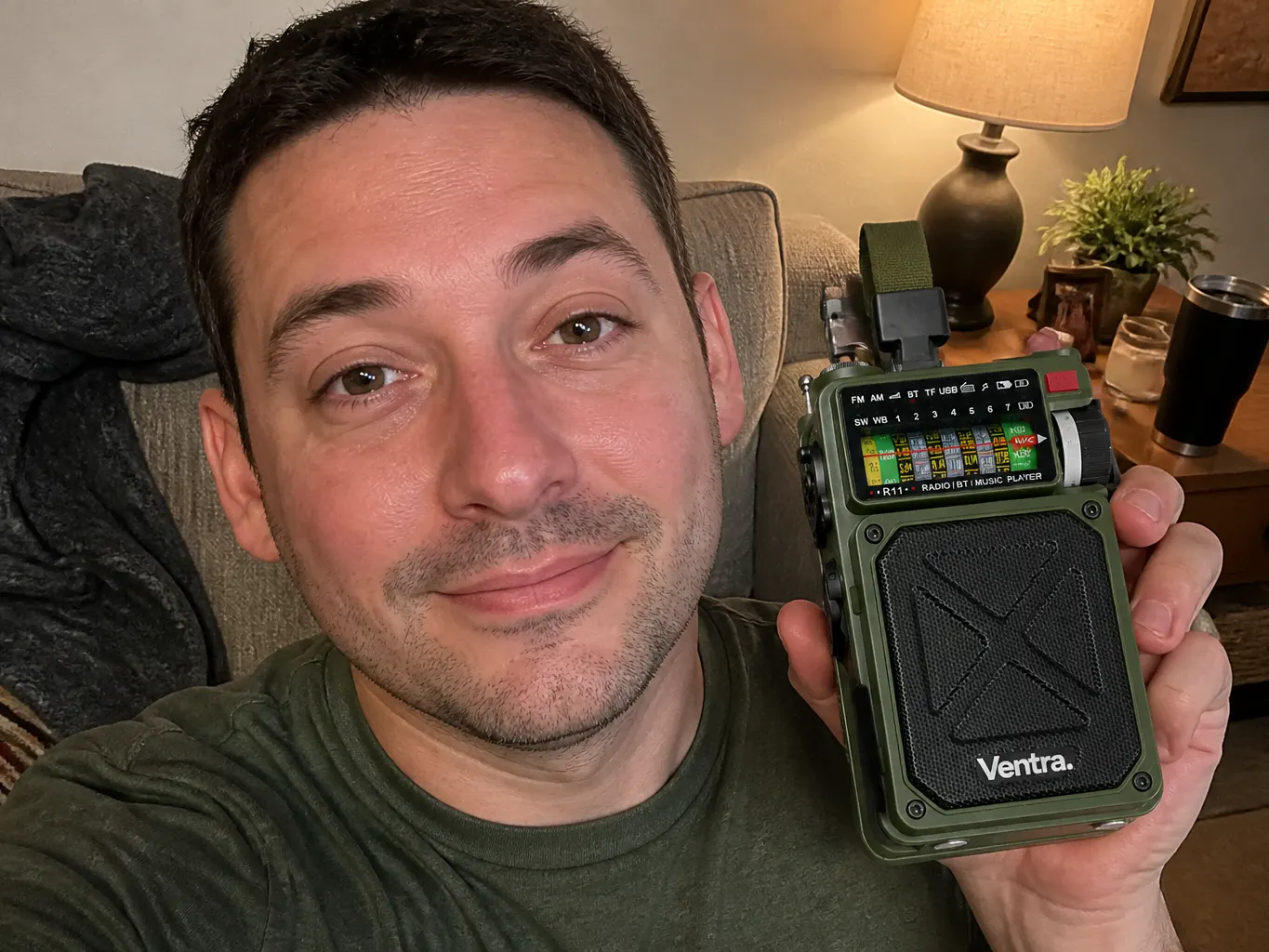
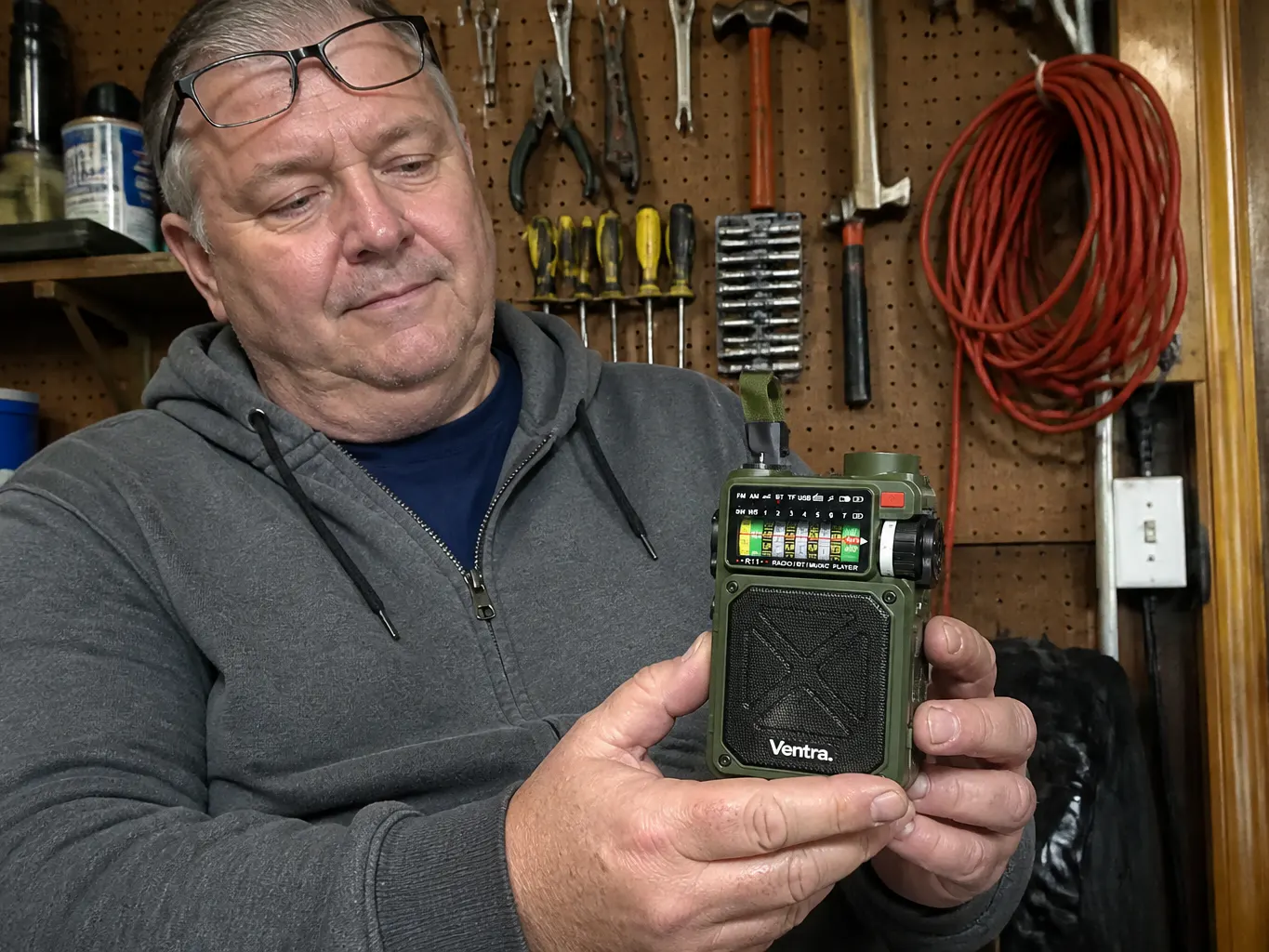
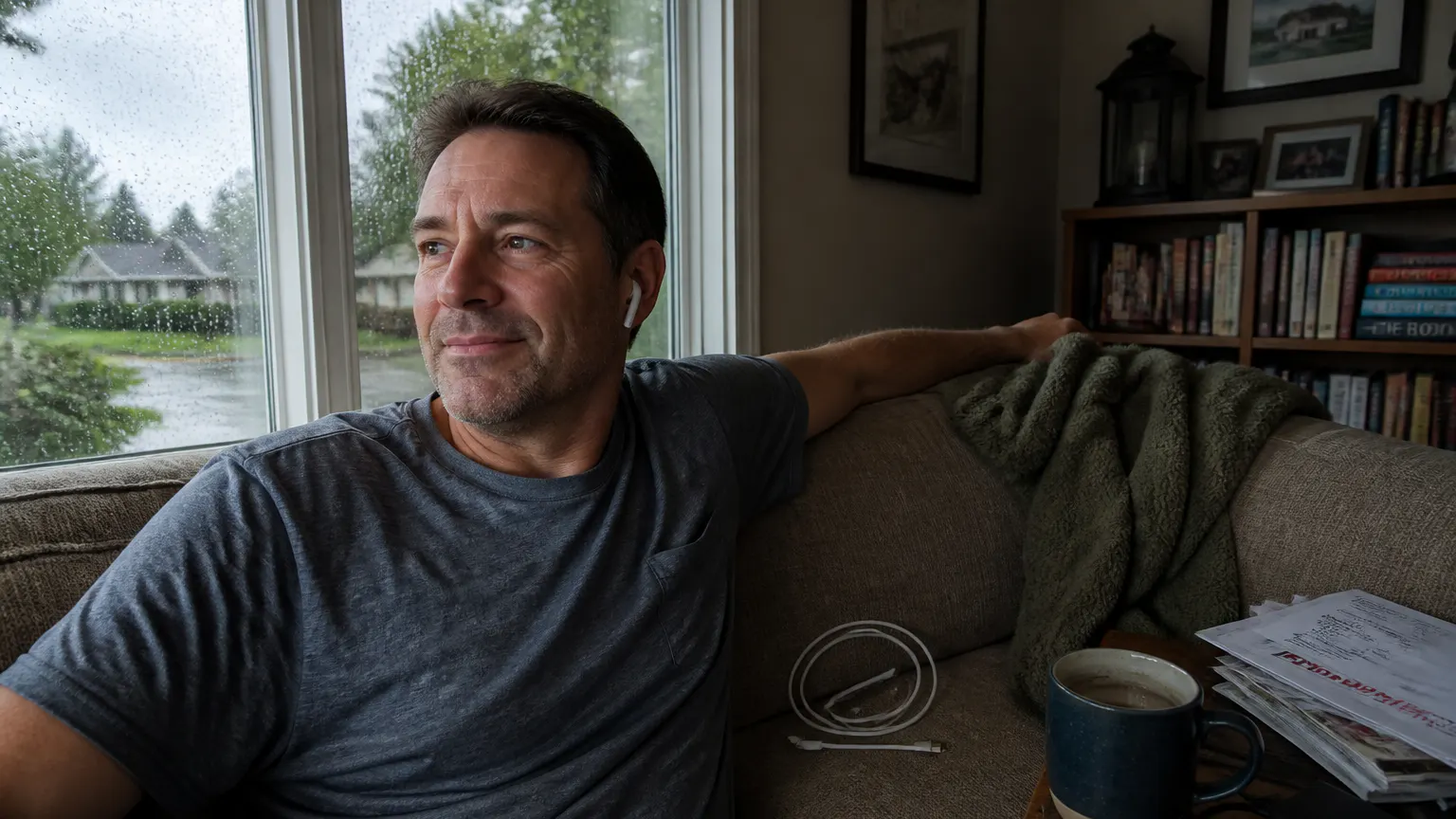
Kept us informed all night
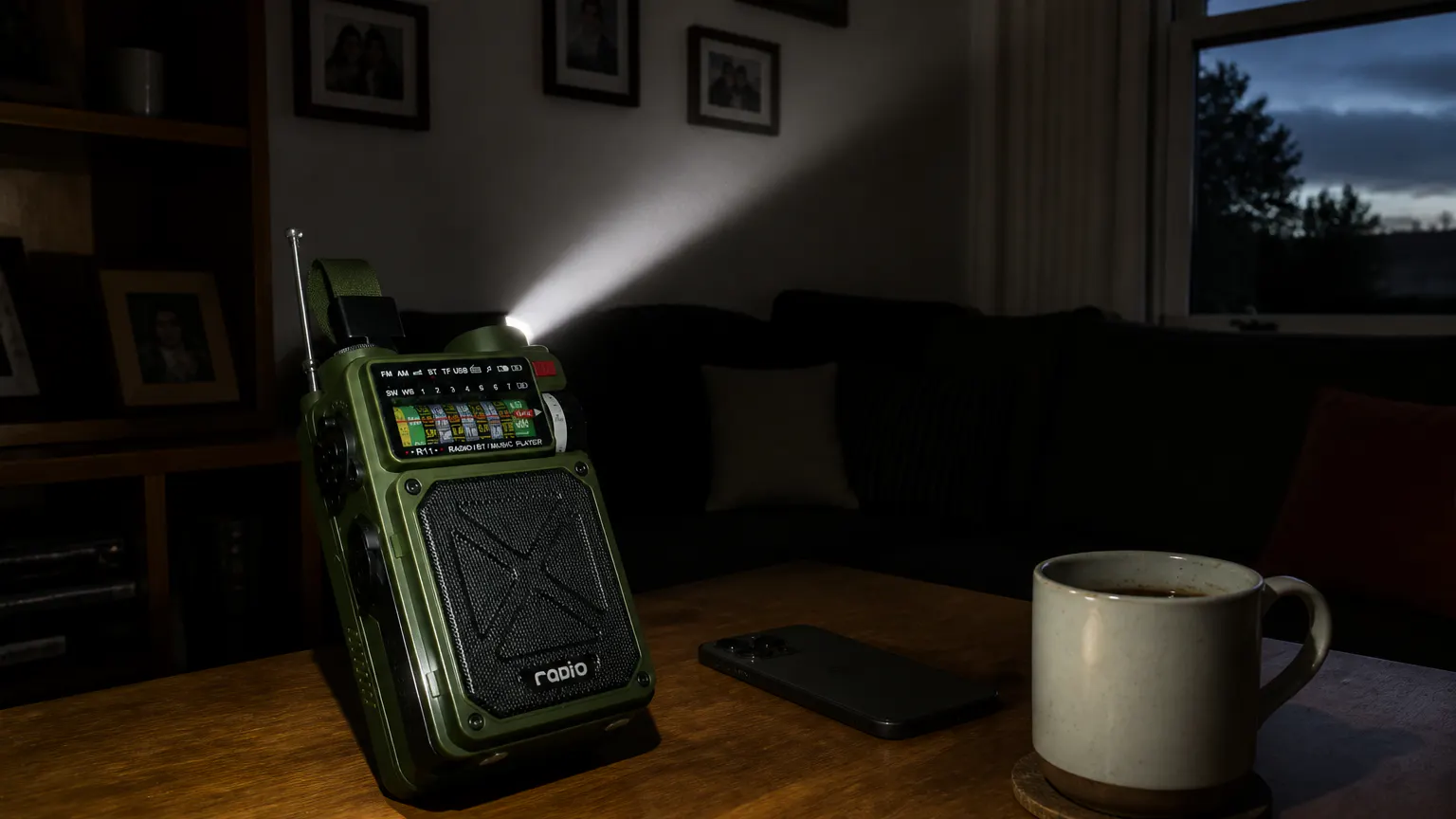
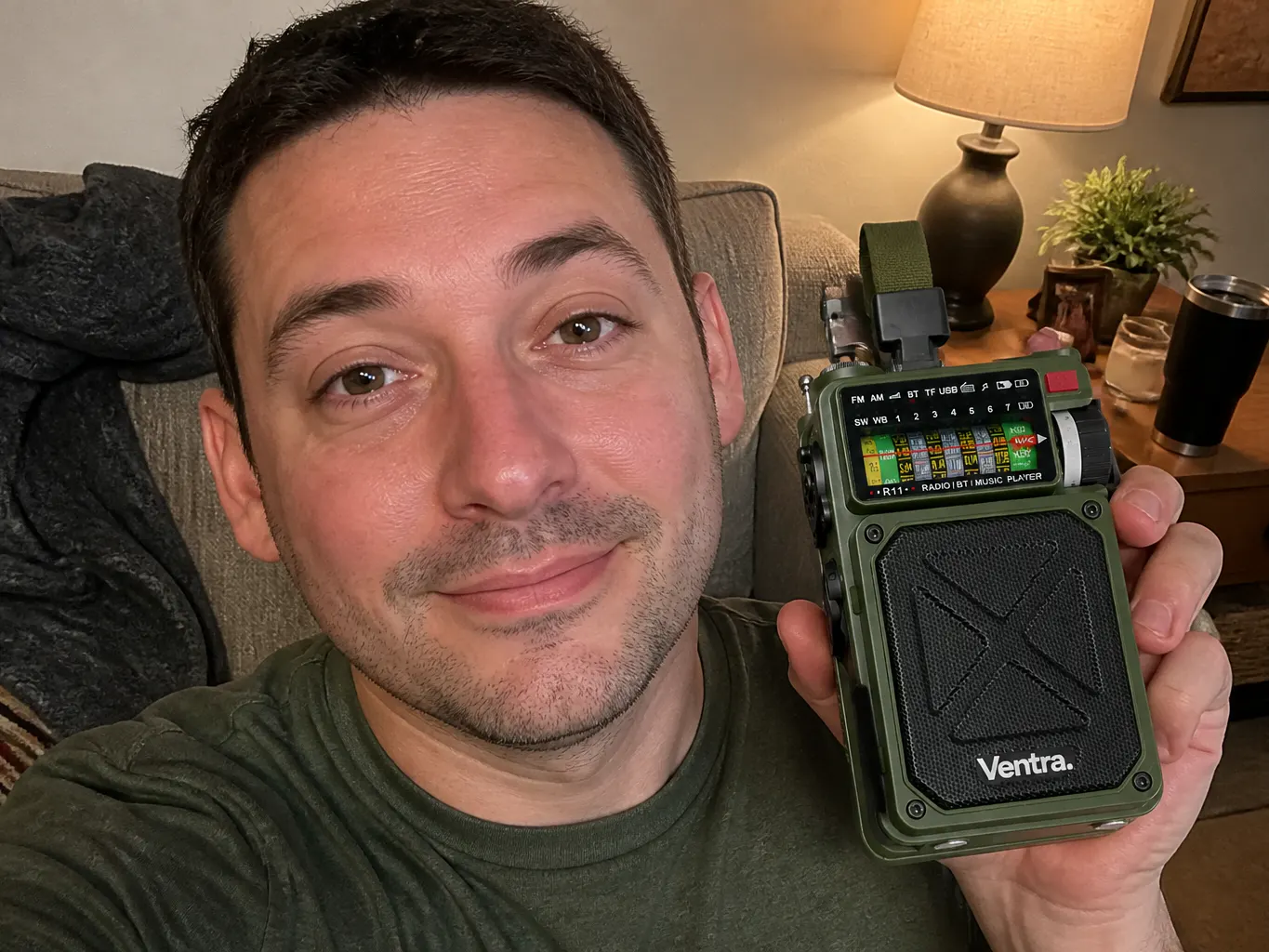
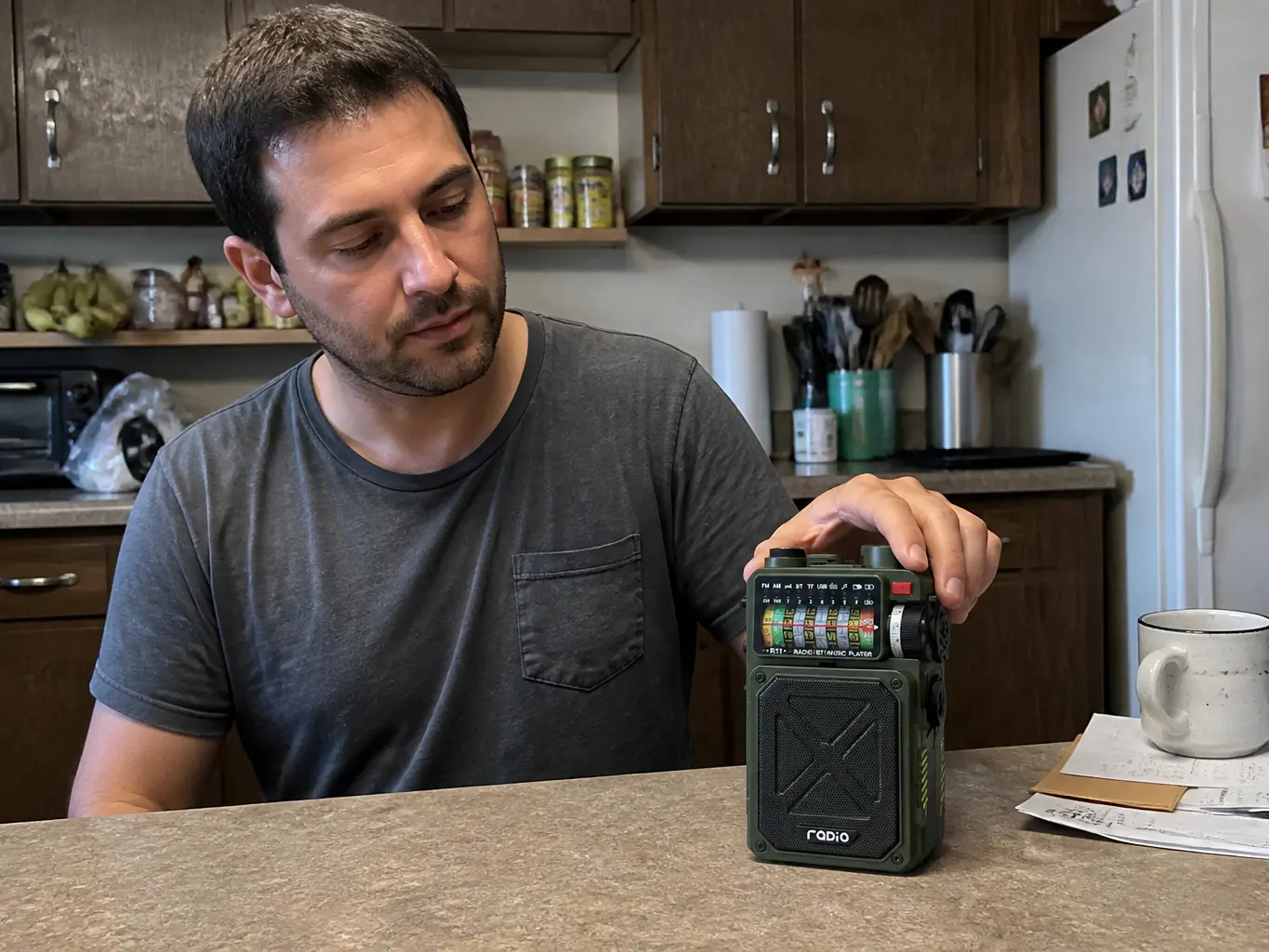
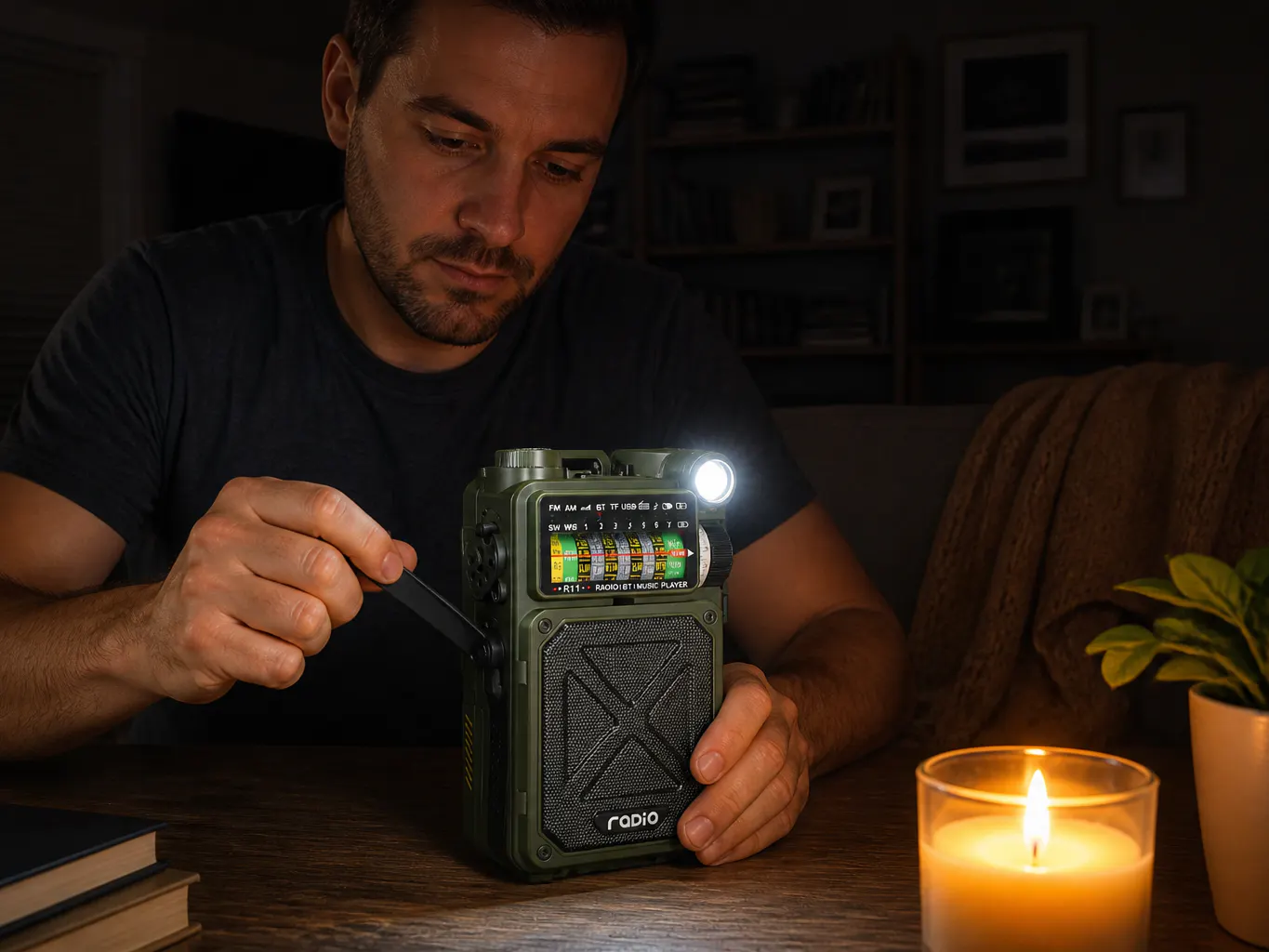
Power went out for two days after the storm and this was the only thing telling us what was happening. NOAA alerts came through clear with no signal at all. Charged my phone enough to send a few texts too.
When The Power's Out And The Towers Are Down, Your Phone Is Dead Weight.
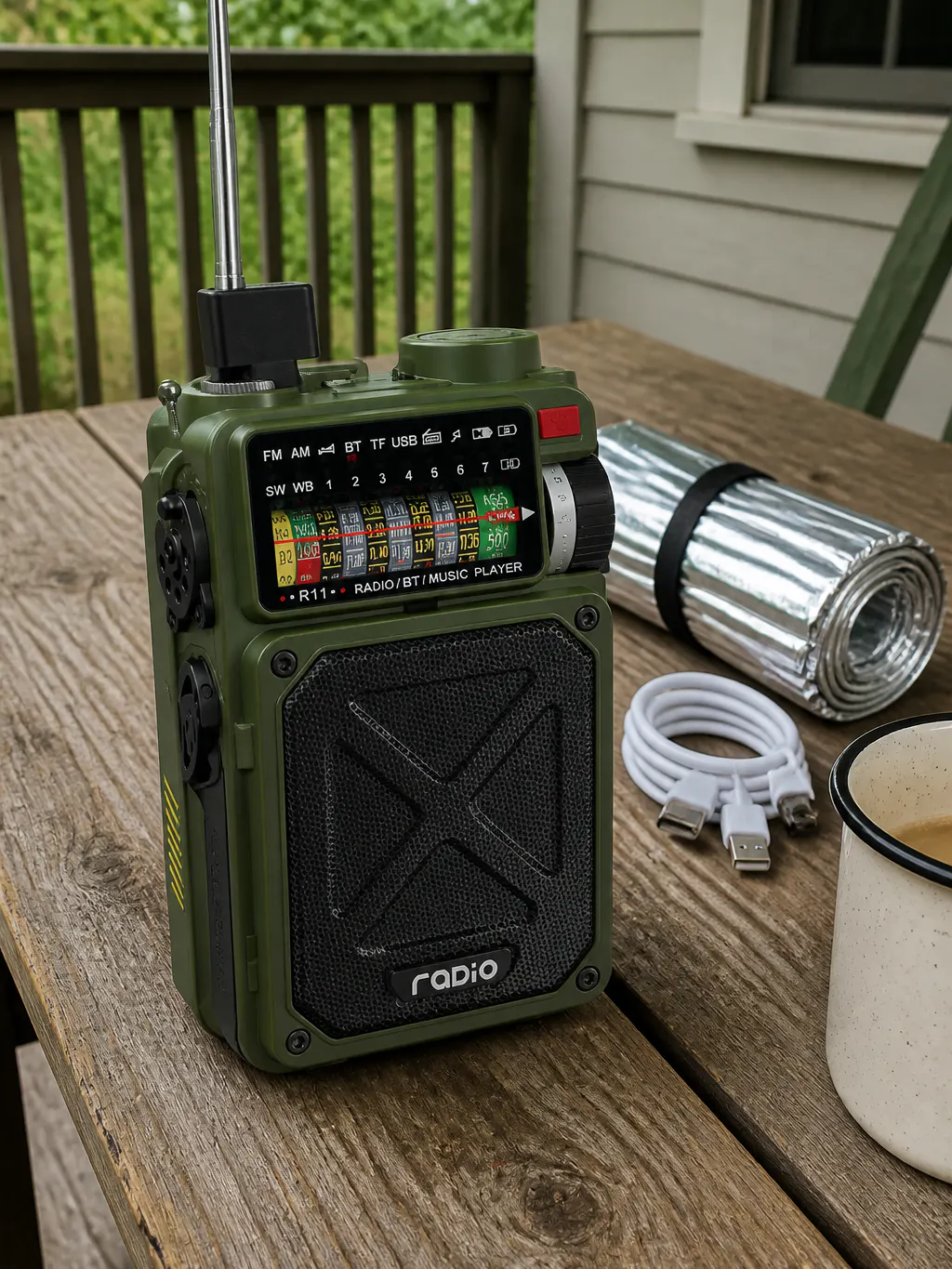
The Ventra R11 keeps you informed, lit, and charged when the grid fails. Direct NOAA/NWS weather alerts with no network needed, an LED beam, SOS, and three ways to power it - solar, hand crank, and USB. One device. Total peace of mind.
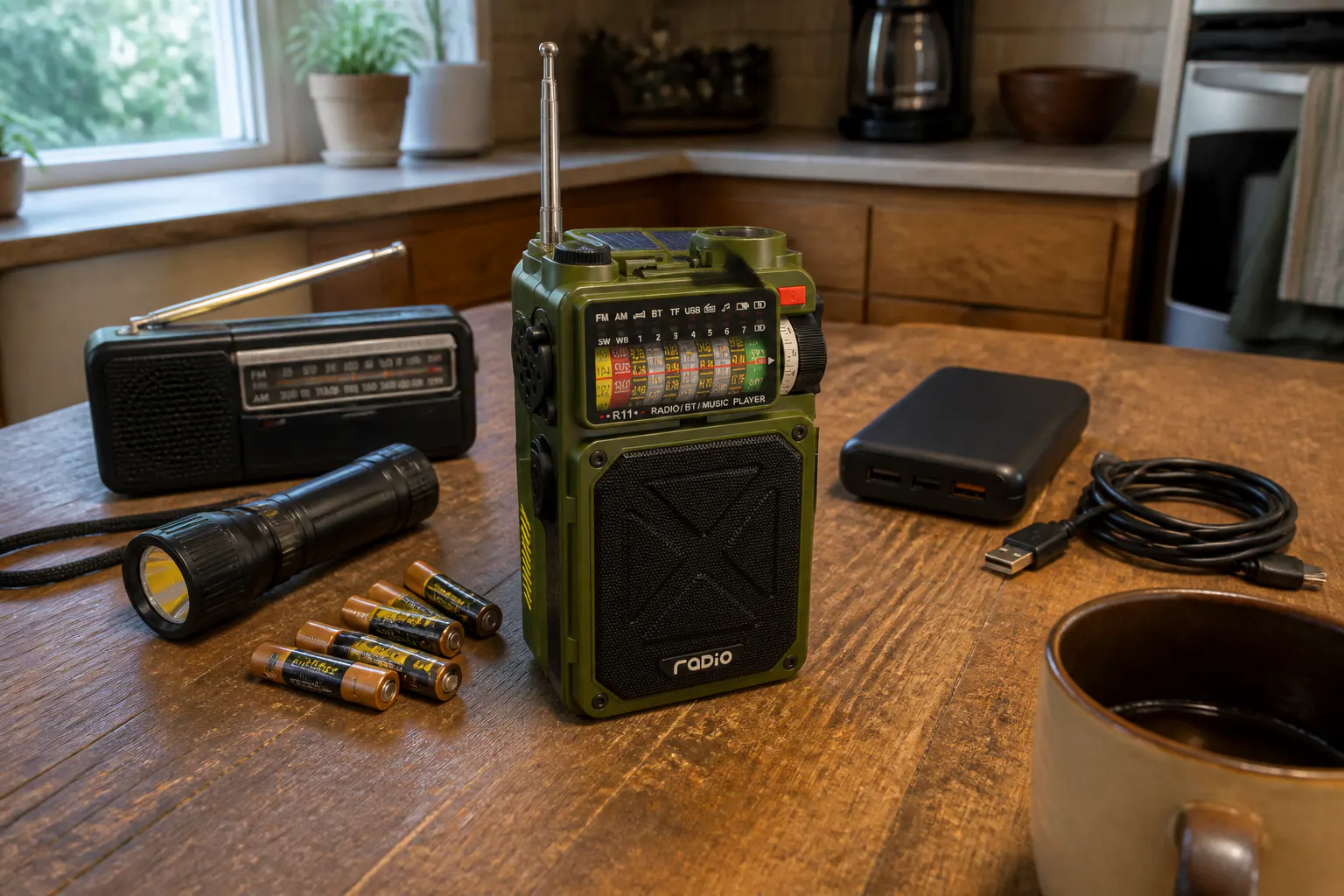
One Device Replaces Your Flashlight, Your Radio, Your Power Bank, And Your Drawer Of Dead Batteries.
The most common thing owners say: they wanted one thing that does it all - instead of a pile of single-use gear that's scattered, untested, and never where you need it when the lights go out.

Weather alerts, AM/FM, a flashlight bright enough to see by, an SOS to get found, and three ways to keep it powered - all in one compact unit you can grab in the dark.
NOAA + AM/FM
Live weather alerts straight from the National Weather Service, plus everyday AM/FM.
LED Beam + SOS
A flashlight bright enough to actually see by, and a loud SOS to get you found.
Solar + Crank
Trickle-charges in daylight; the hand crank is your never-fail backup power.
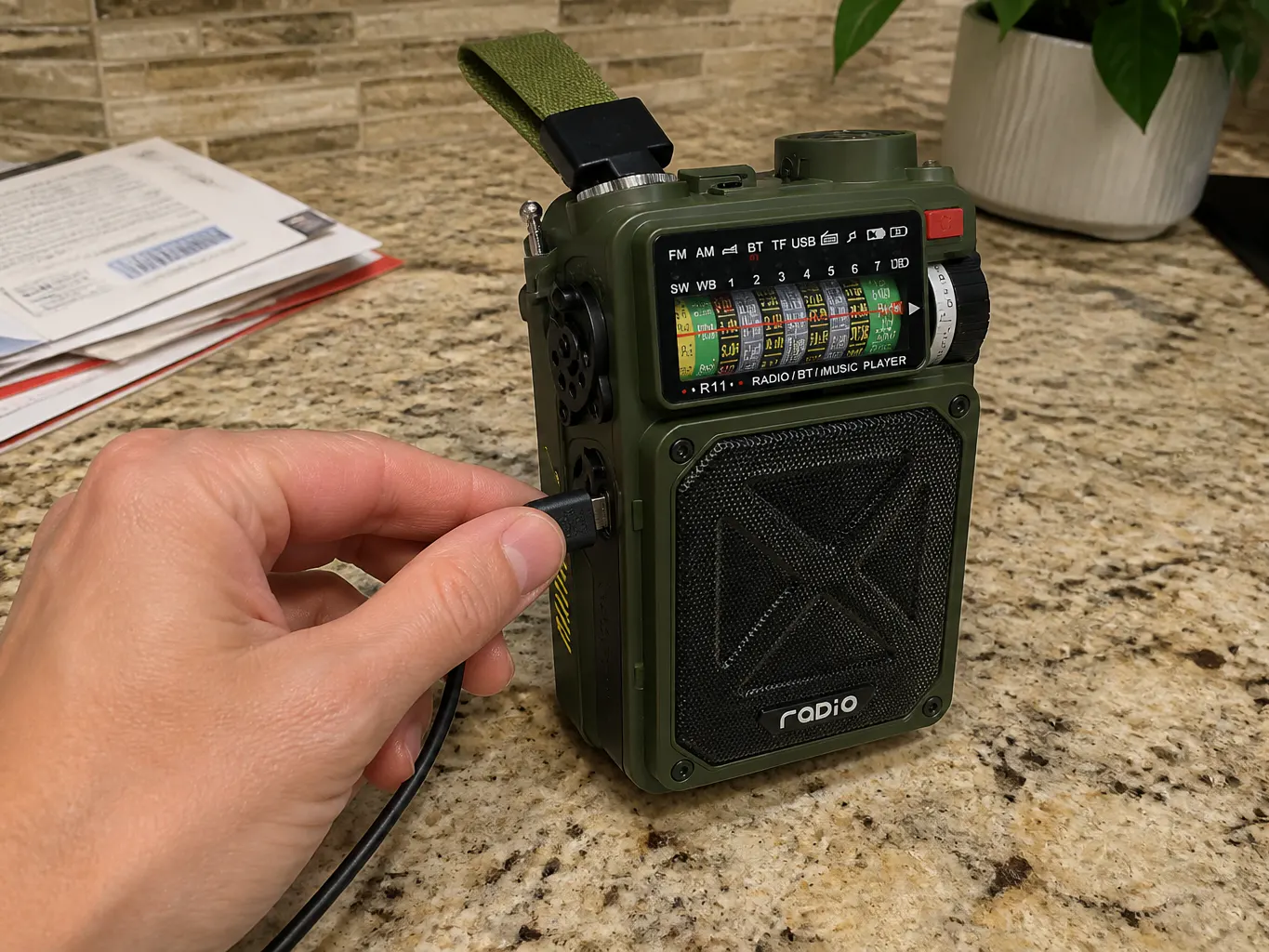
USB Phone Charge
Top up your phone from the internal battery when there's no outlet in sight.
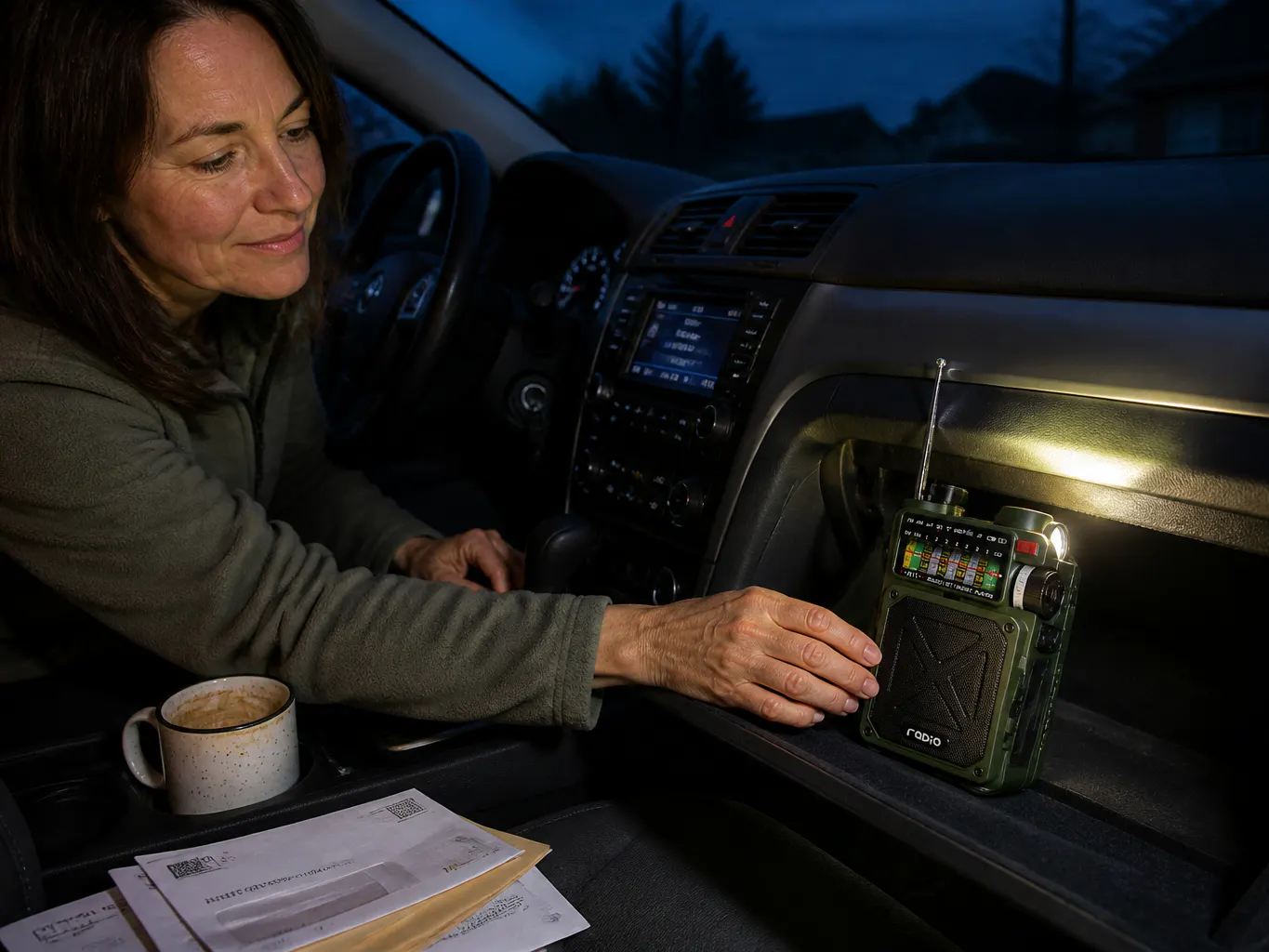
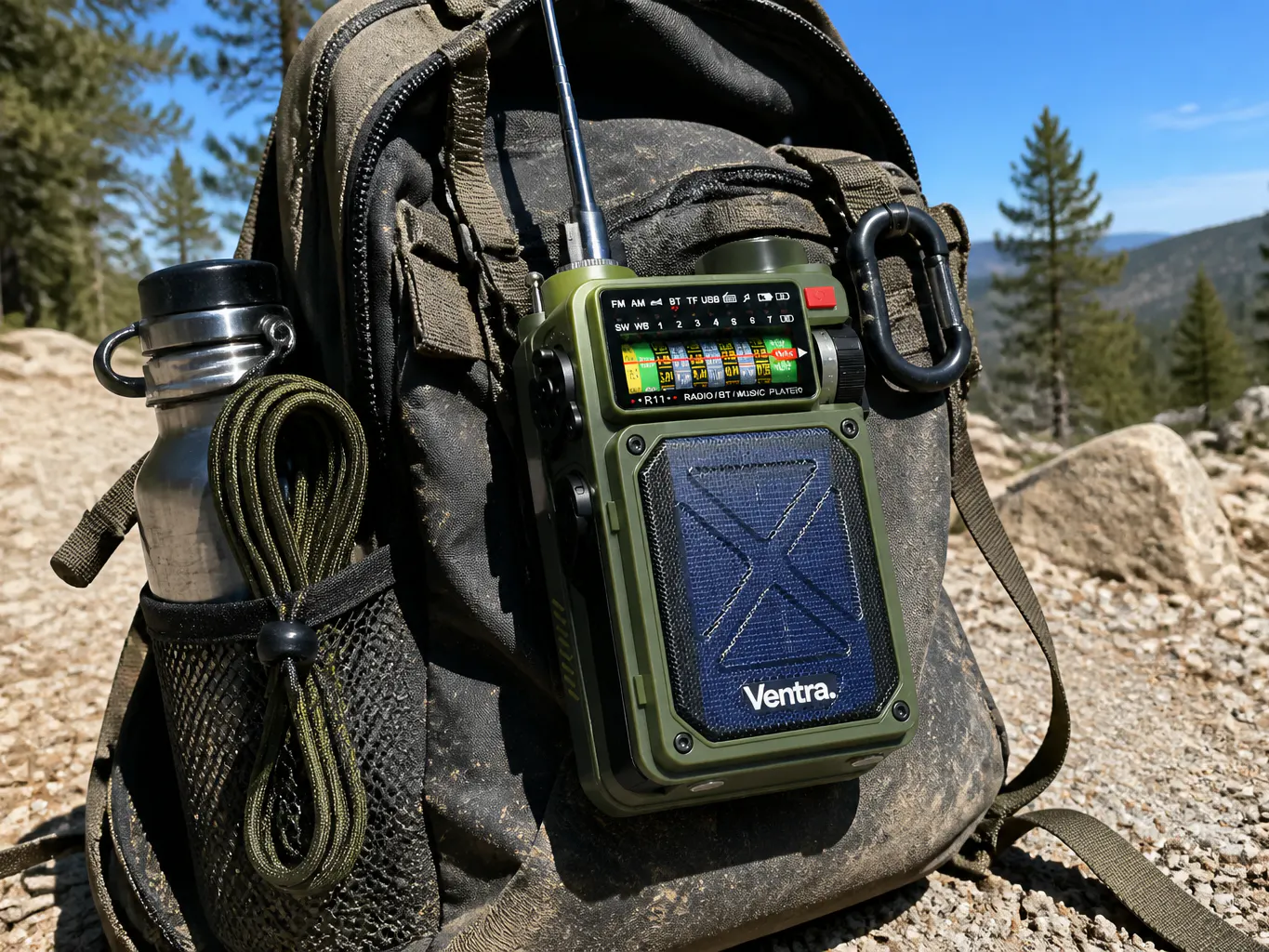
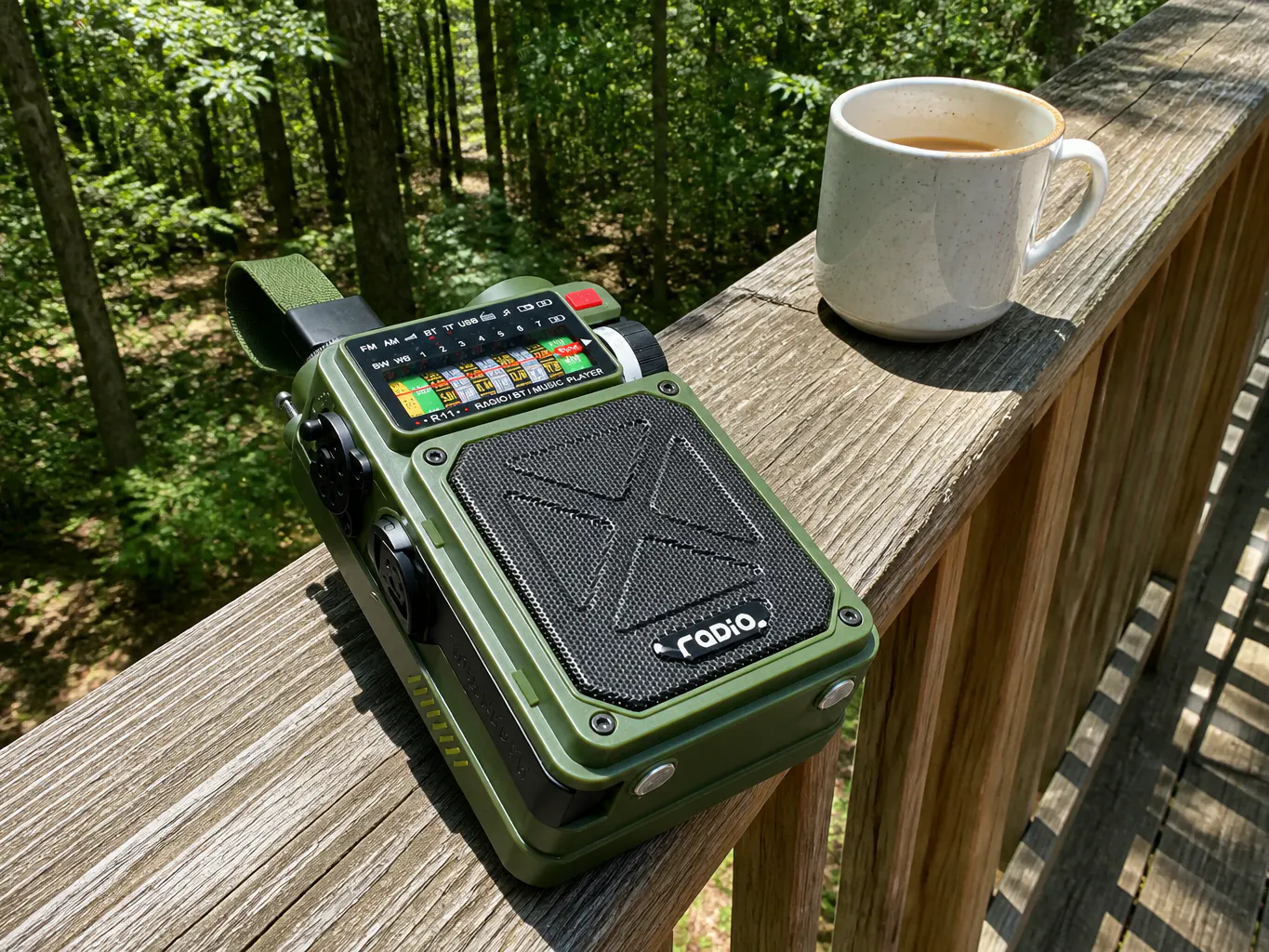
Compact enough for the glovebox, the bug-out bag, or the boat - and ready the second the lights go out. Here's where owners keep theirs.
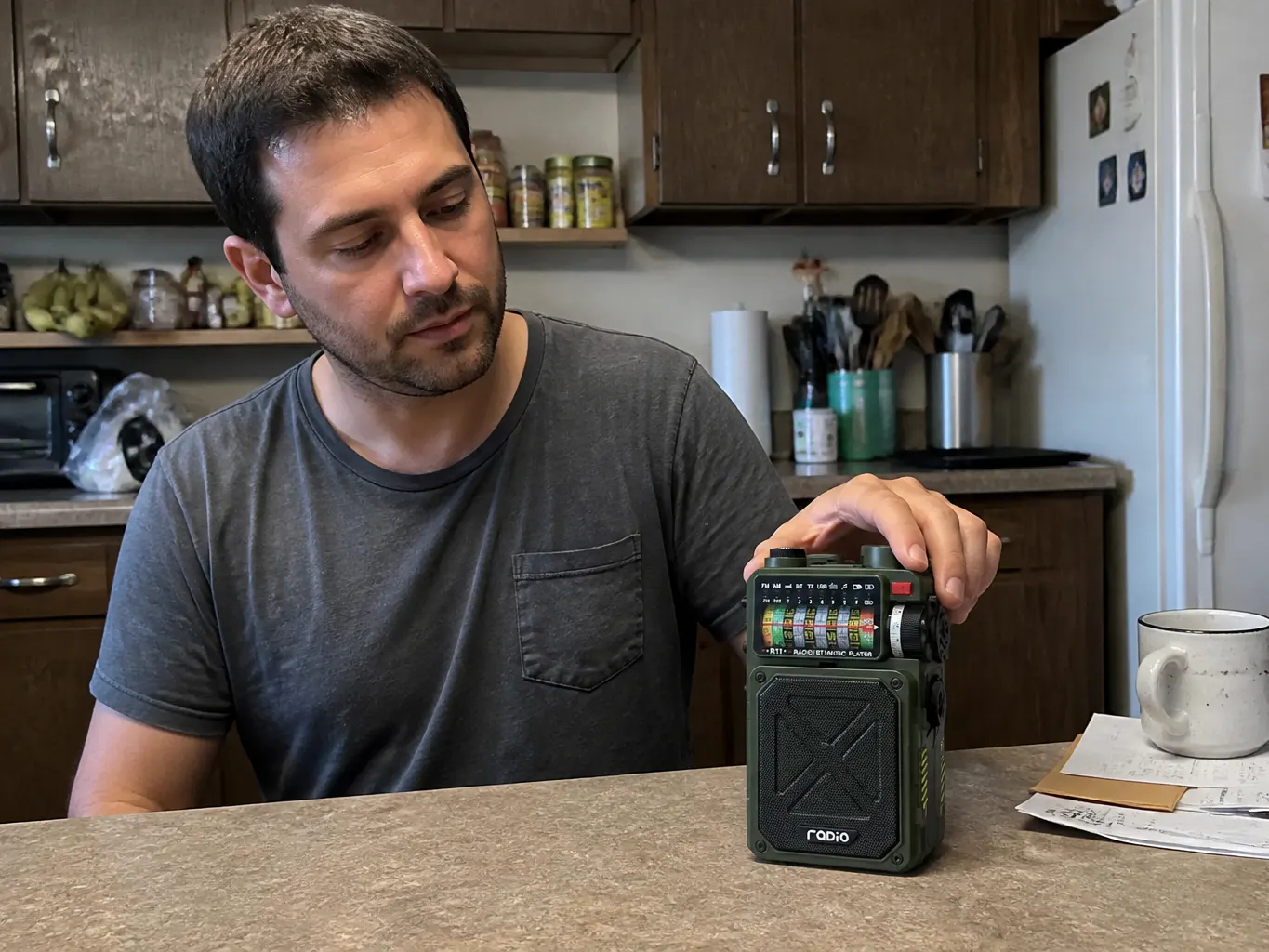
At HomePower dies at 9pm, kids asking why it's dark. You're the one with light, live weather alerts, and a way to charge the phone.
Storm KitThe one thing most kits are missing. NOAA alerts straight from the National Weather Service - no signal, no subscription, no guessing.
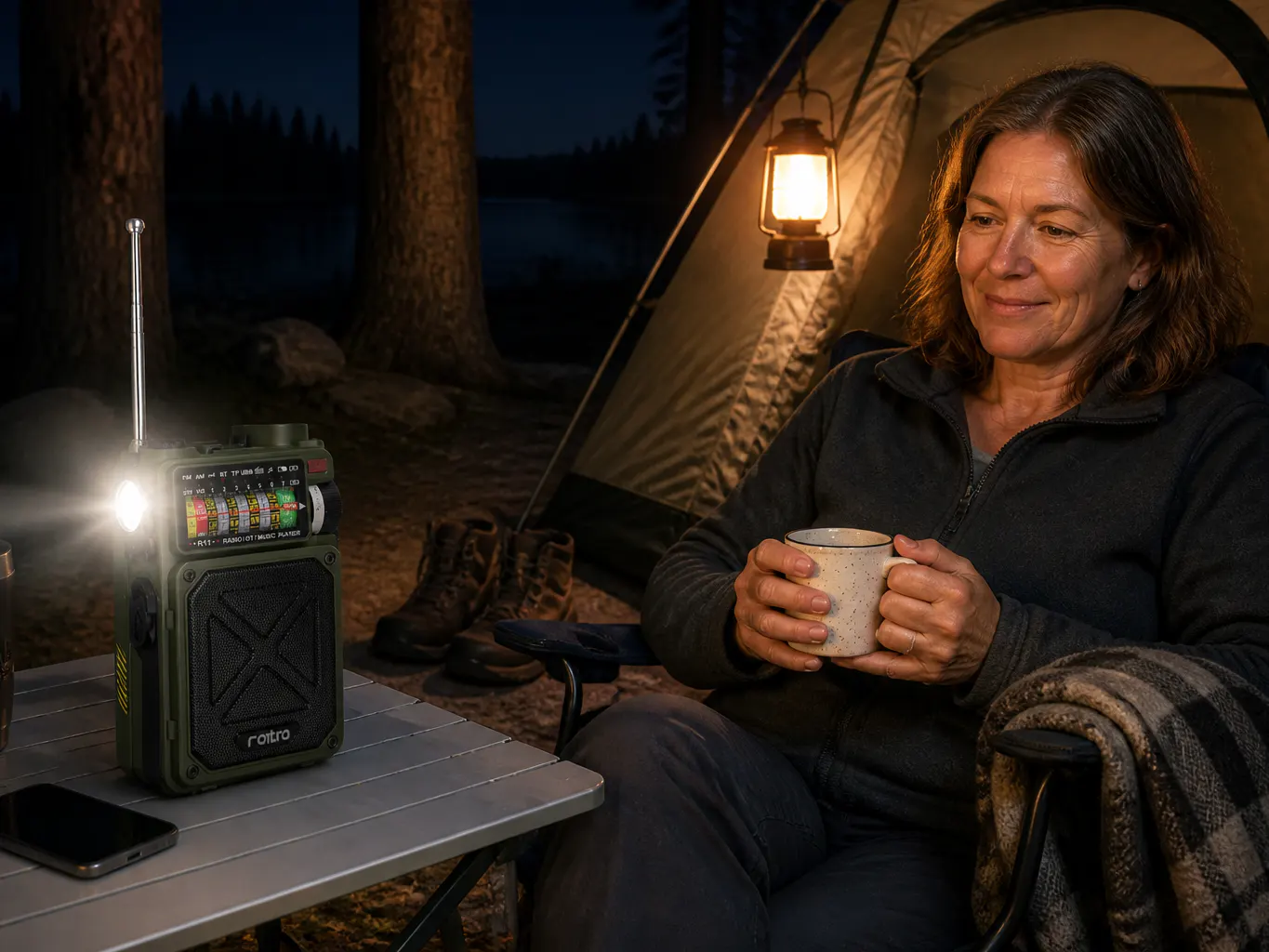
Off-GridRadio, reading light, and a phone top-up in one compact unit - solar keeps it charged all weekend, miles from any outlet.
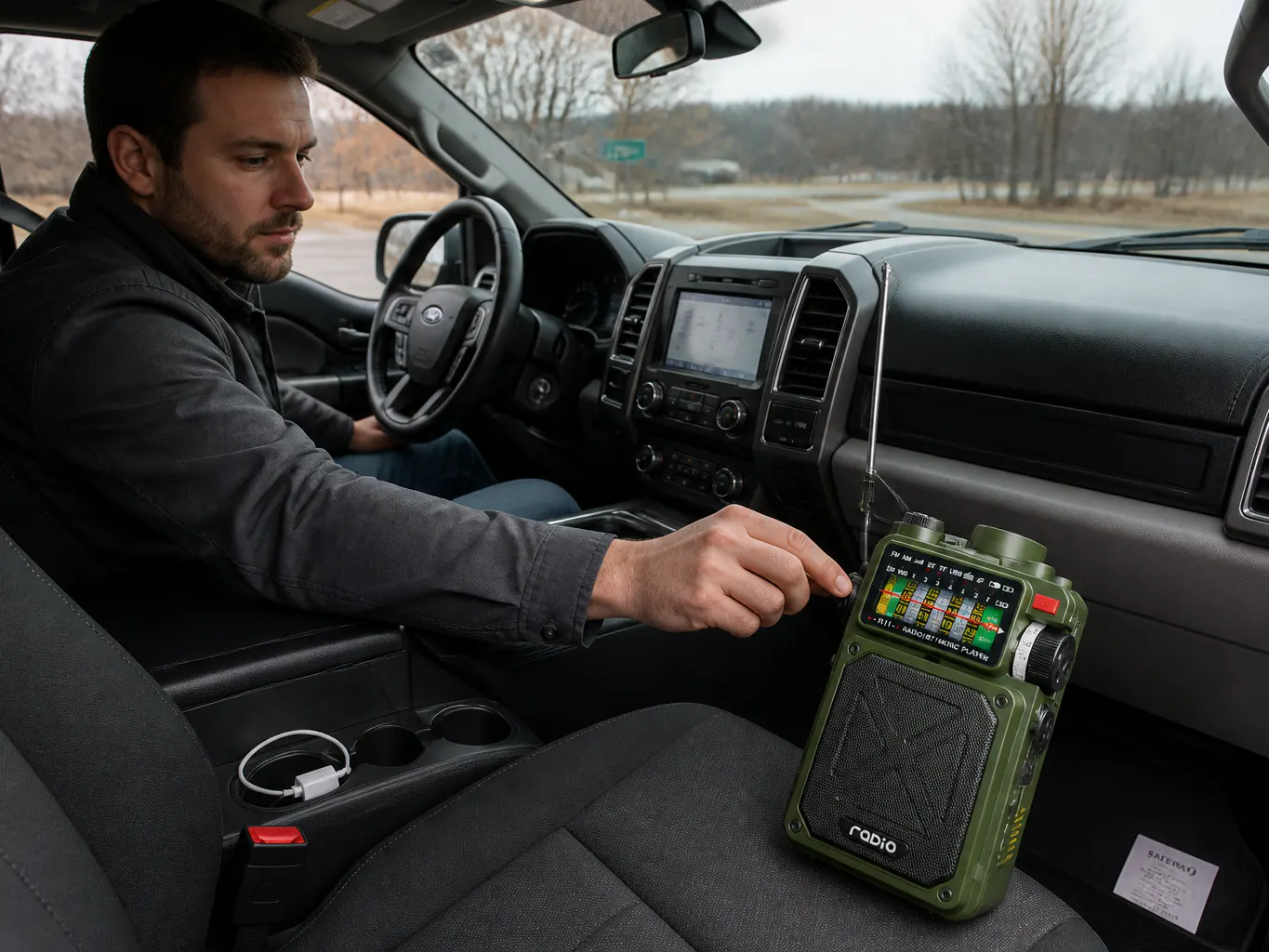
On The MoveSmall enough to live in the car or on the boat, so it's already there when a road closes or a storm rolls in on the water.
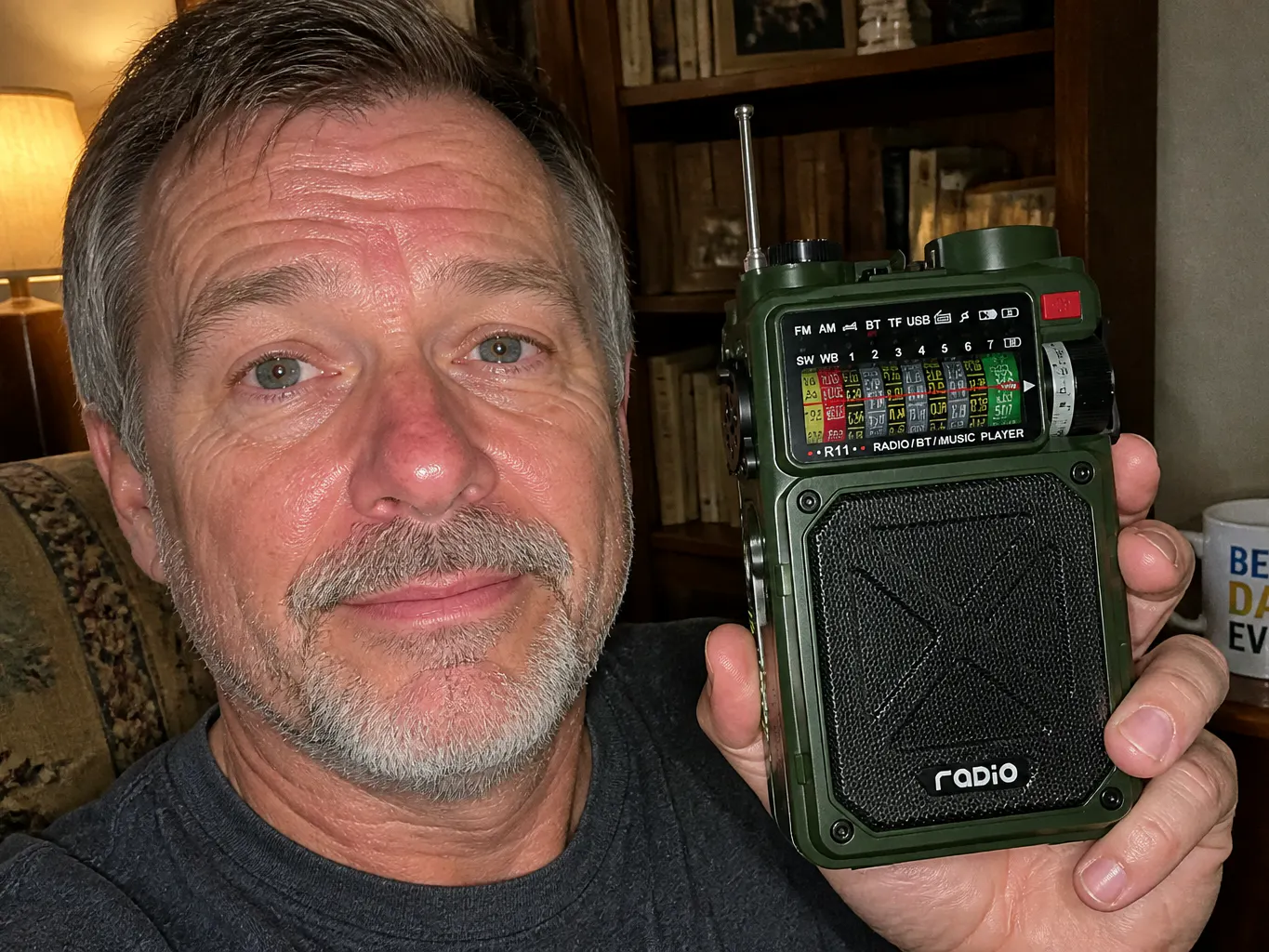
The videos owners send us after a storm all say the same thing: their phone died, the network went down, and this kept them informed, lit, and charged.
We'll be straight with you about how the charging actually works - because that's the exact thing cheap crank radios lie about.
A receiver radio doesn't need much power to run. In reasonable daylight the solar panel trickle-charges the internal battery continuously - charging more than the radio consumes. Leave it in a window and it stays ready.
Primary top-up
Before a storm rolls in, plug it into a wall outlet or a power bank and top it up fast. The internal battery does the heavy lifting - so you start every emergency with a full charge already banked.
Fastest charge
No sun and no outlet for days? Fold out the crank and turn. It's the backup that always works - a minute of cranking buys you radio time and a burst of light. Not the primary charge, but the one that's there when everything else is gone.
The real backup
The honest truth: Solar keeps it topped up, the internal battery does the work, and the crank is your real backup. We won't tell you to "crank your phone back to life" in ten minutes - because it can't, and neither can anyone else's.
The word that comes up most often isn't a spec. It's peace of mind - the calm of knowing you're covered when the grid isn't.
No hype - here's exactly what it does, what it doesn't, and how it holds up.
When The Next Storm Hits, You'll Be The One Who's Still Informed, Still Lit, Still Charged.
The best time to be ready was before the warning scrolled across the screen. The next best time is right now.
30-day money-back guarantee · Free worldwide shipping