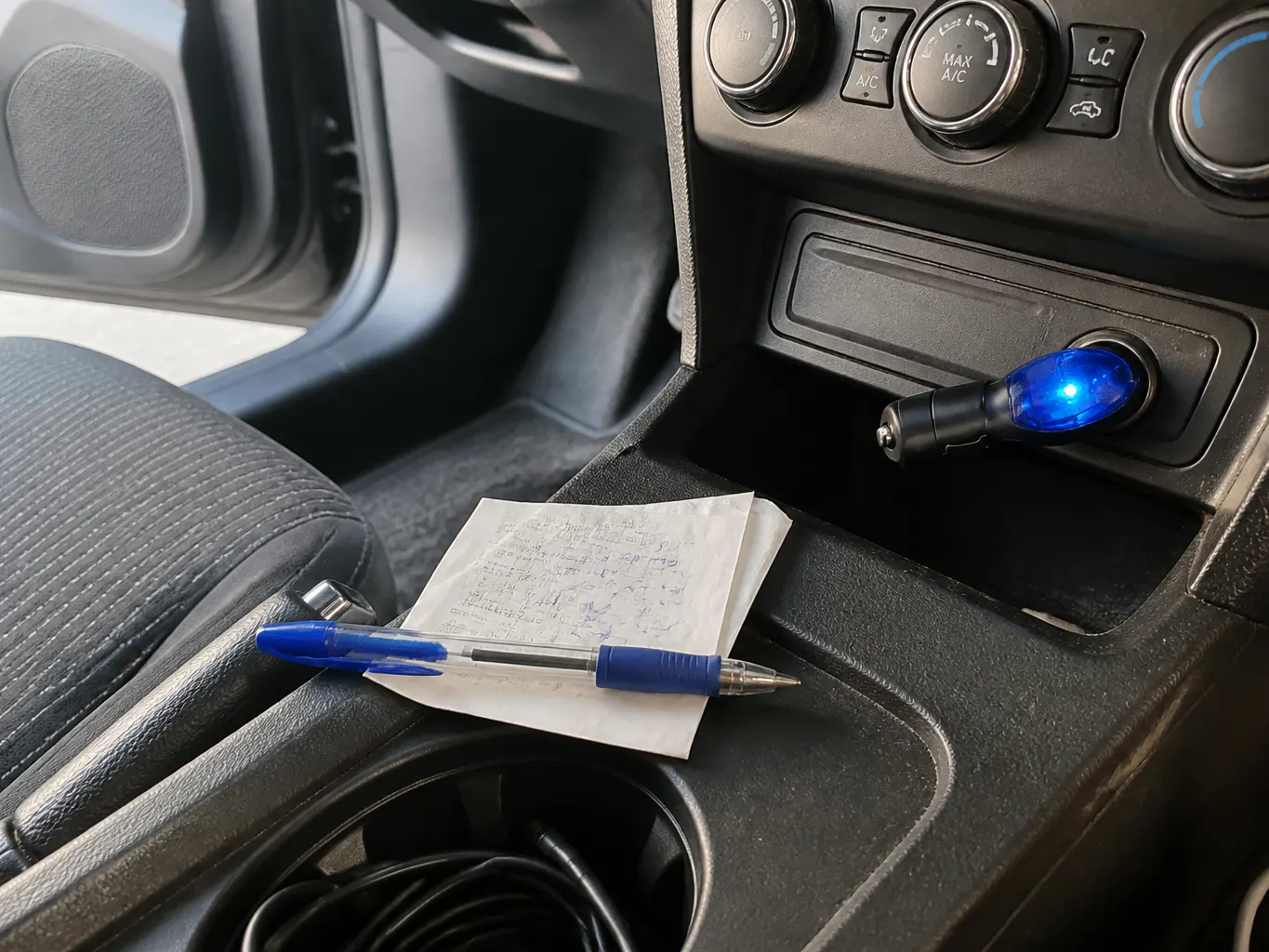
Bought it expecting to return it
I fully planned on sending this back. Logged four tanks before, four after, same 41-mile commute. I went from 24.1 to 25.6 average. Not miraculous, but it's real and it paid for itself.
We know what you're thinking
The pump takes a little more every week and nothing you try seems to move it. So here is the deal: we don't promise a miracle number, we tell you exactly how to measure it yourself, and if your own tanks don't change, you send it back.

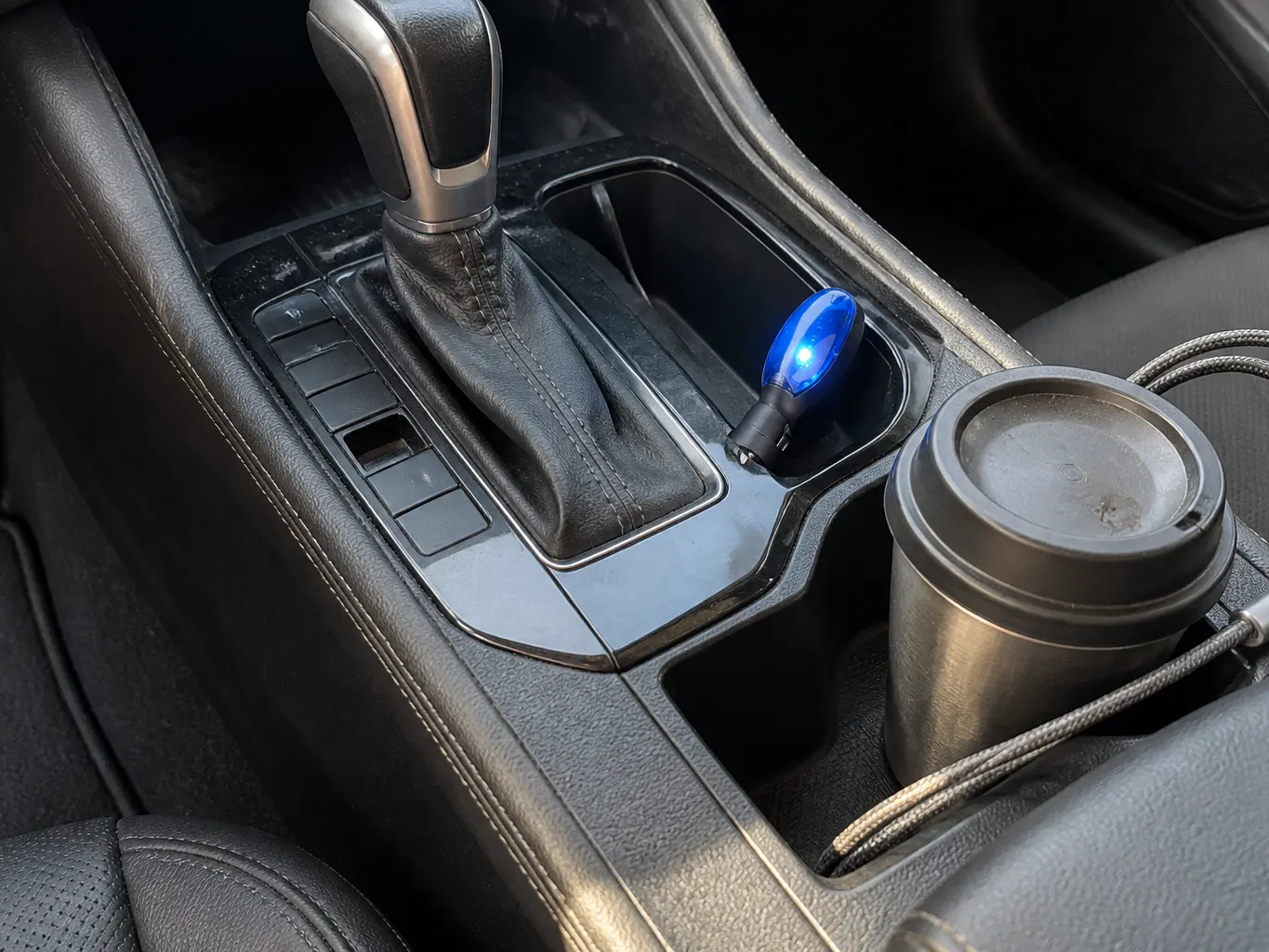
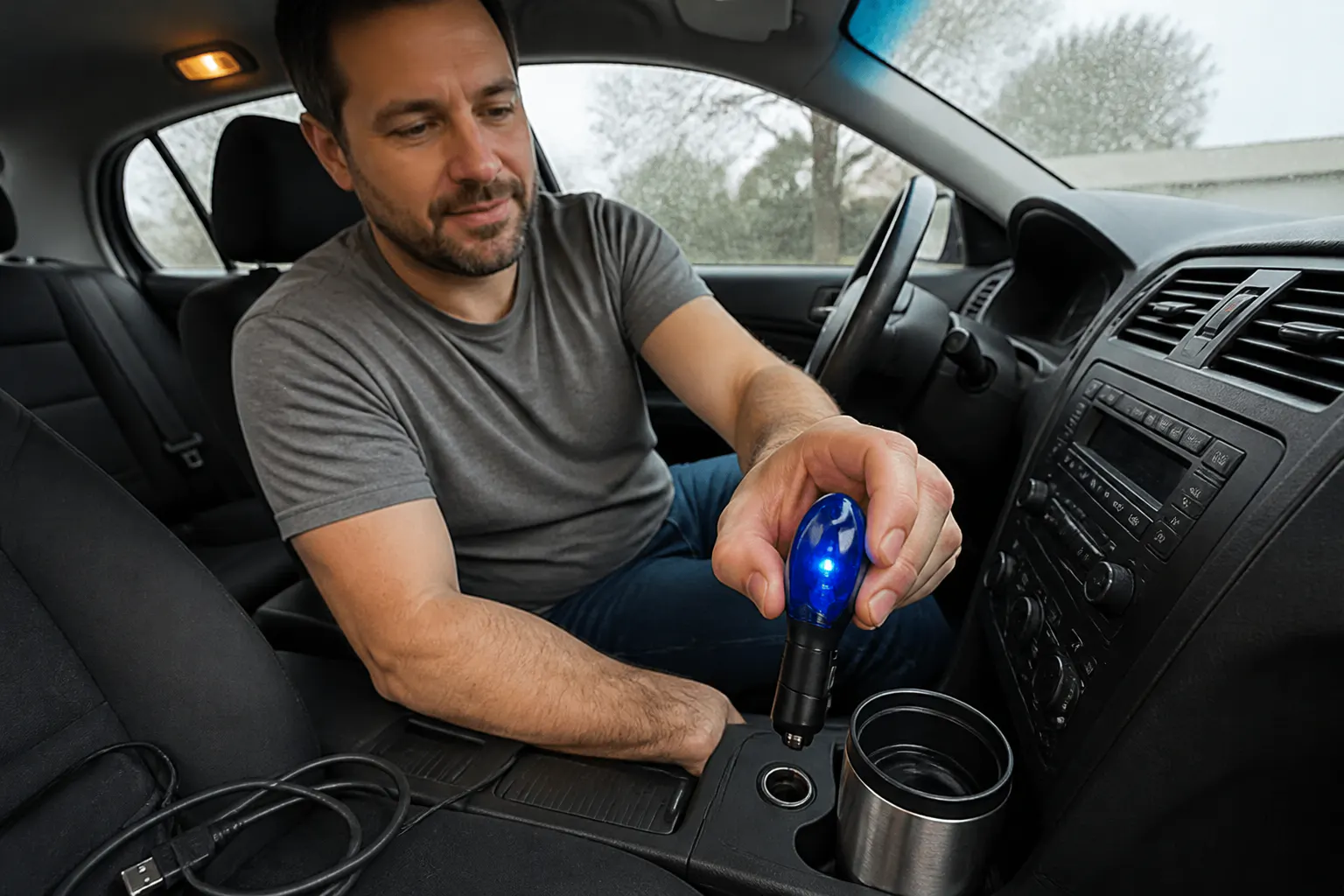
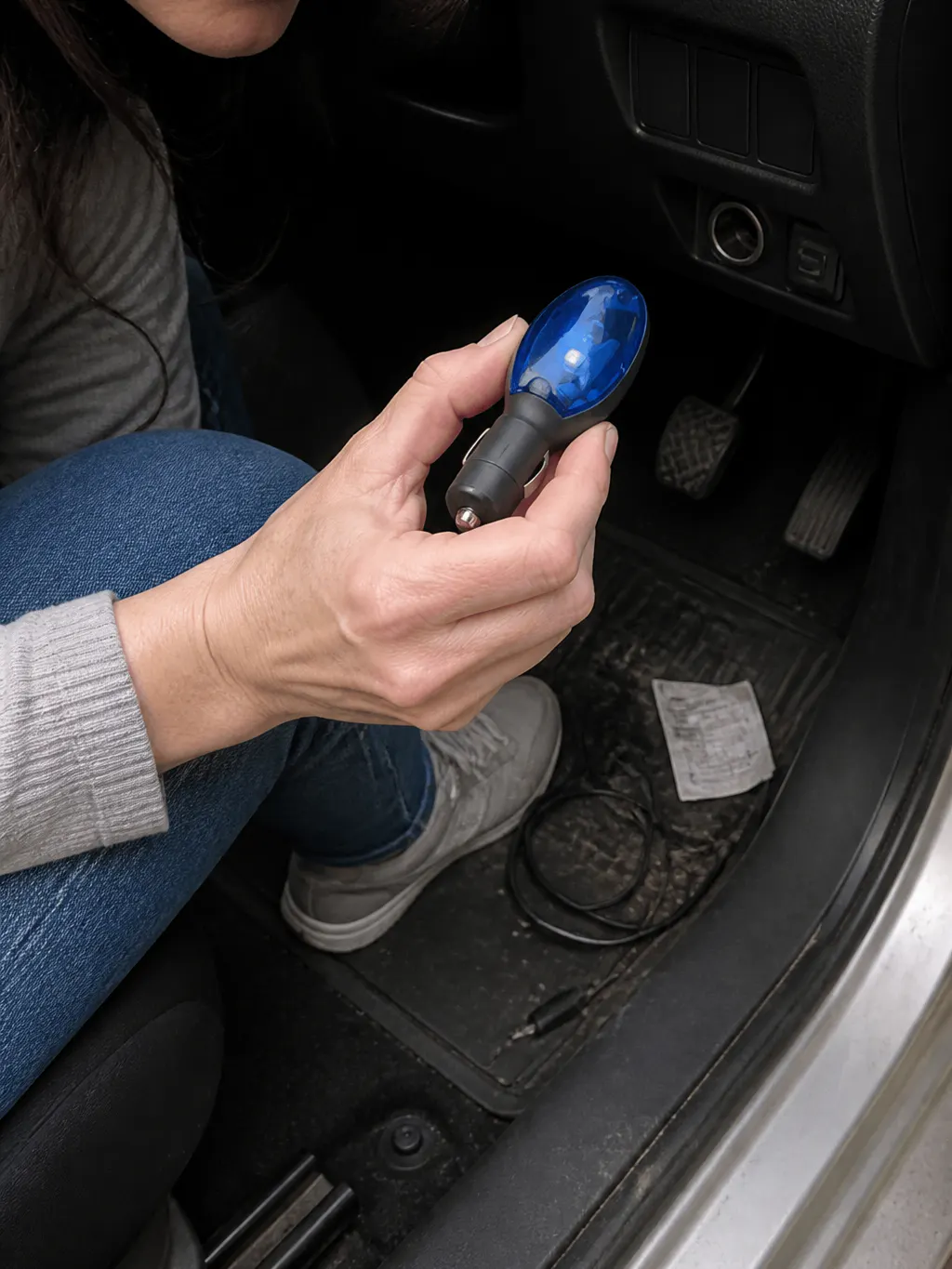
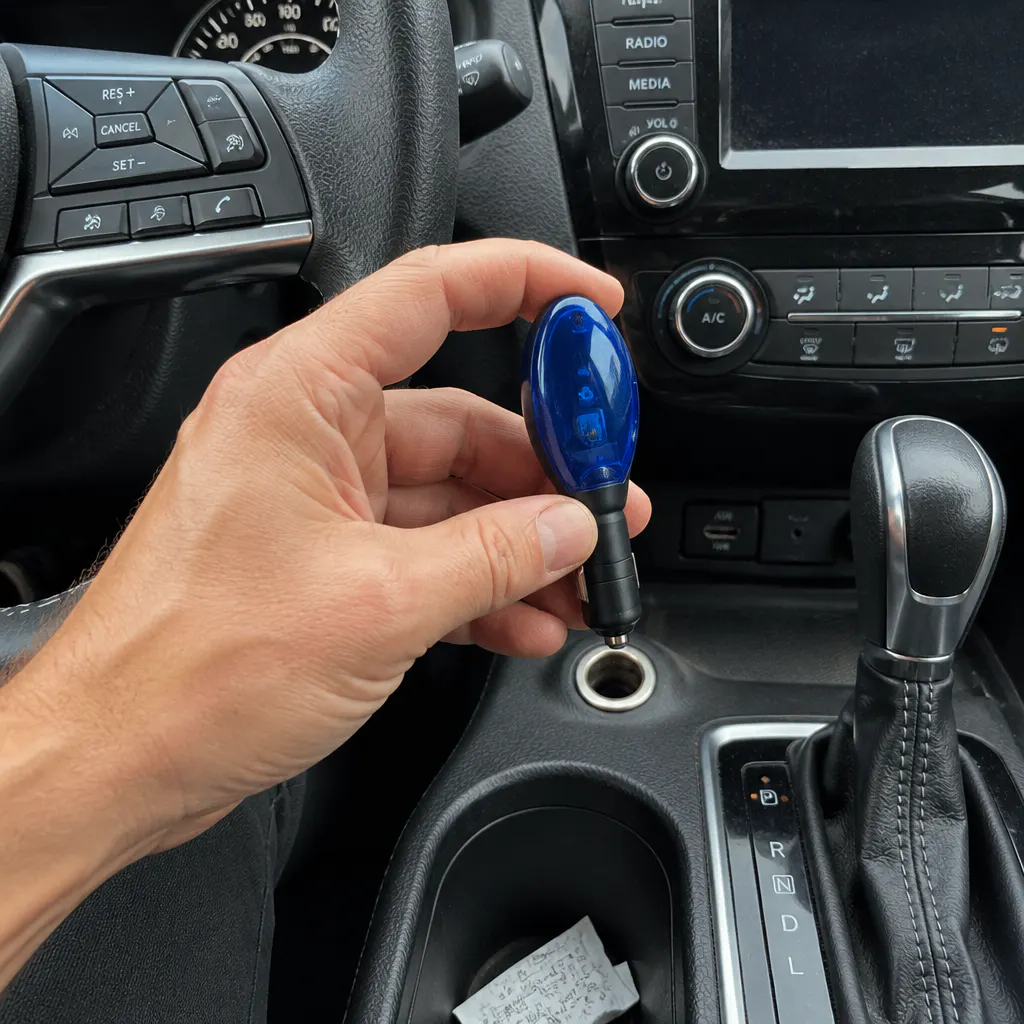
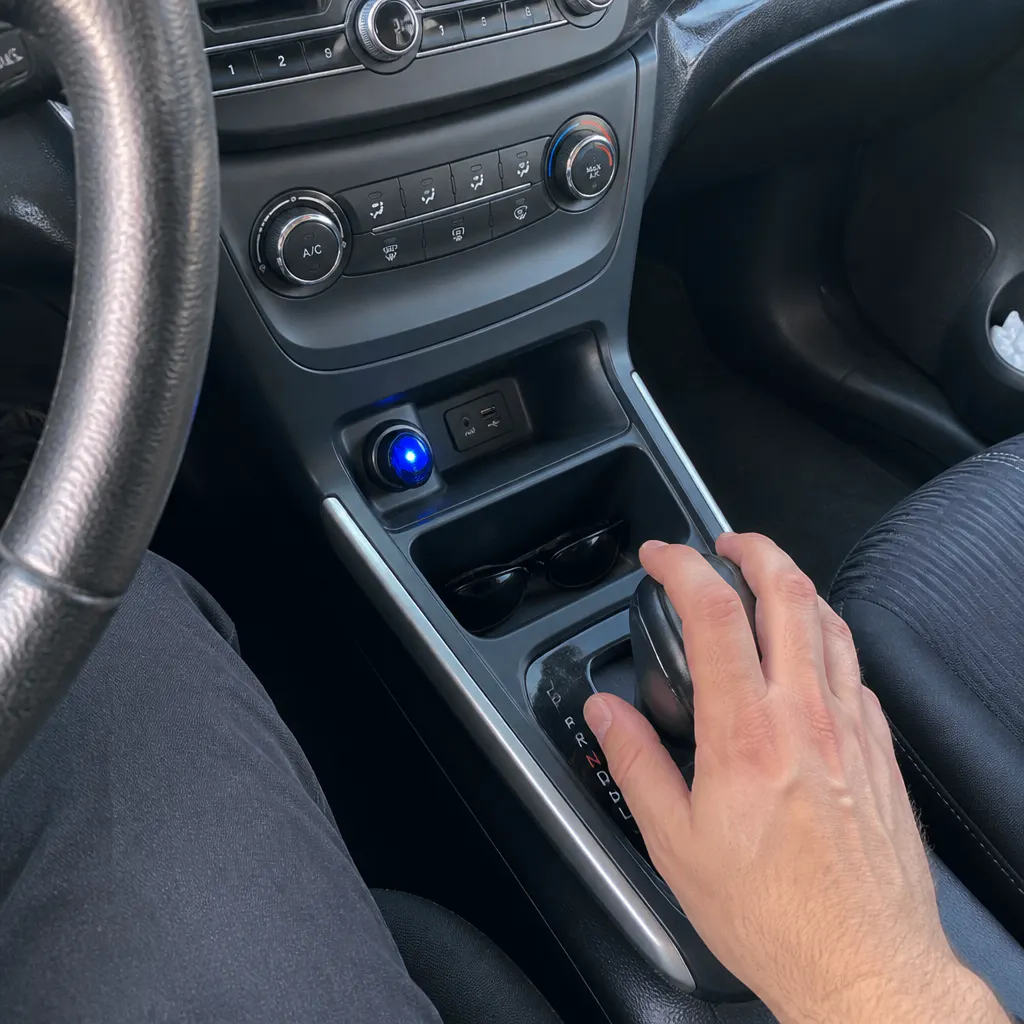
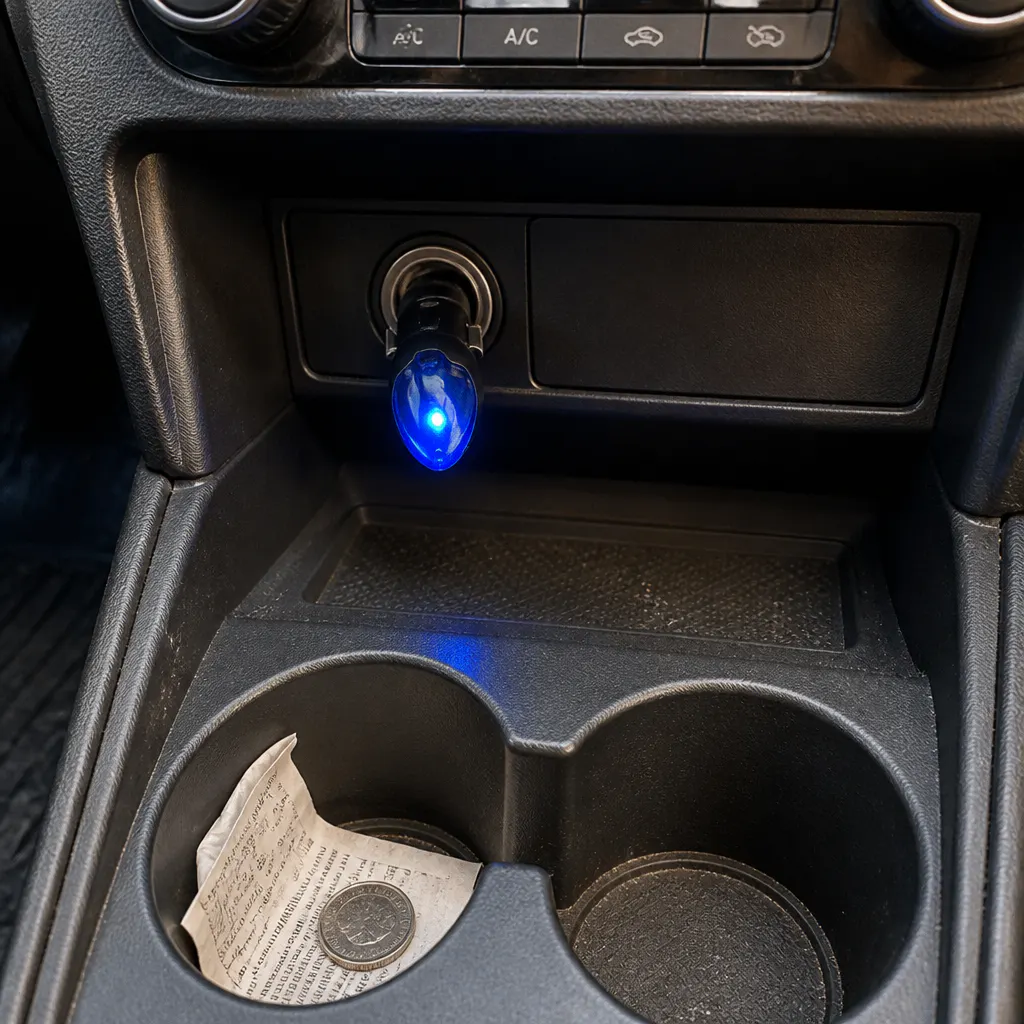
One motion into the 12V accessory socket you already have.
The savings in this category do not come from hardware. They come from the one variable that has always moved fuel economy the most, and from the fact that almost nobody is reminded of it. Both parts are documented by people who do not sell anything.

Hard acceleration off every light, heavy braking, and holding 78 instead of 65 are not small effects. The US Department of Energy and Oak Ridge National Laboratory have measured them, and the range is large enough that it dwarfs anything a plug could claim to do to your combustion.

Everybody already knows a lighter right foot saves fuel. People still fail at it, and the reason is measured rather than moral: without something in the cabin keeping it present, the habit lasts about four days. Researchers at UC Davis put a number on what changes when drivers get in-vehicle feedback.

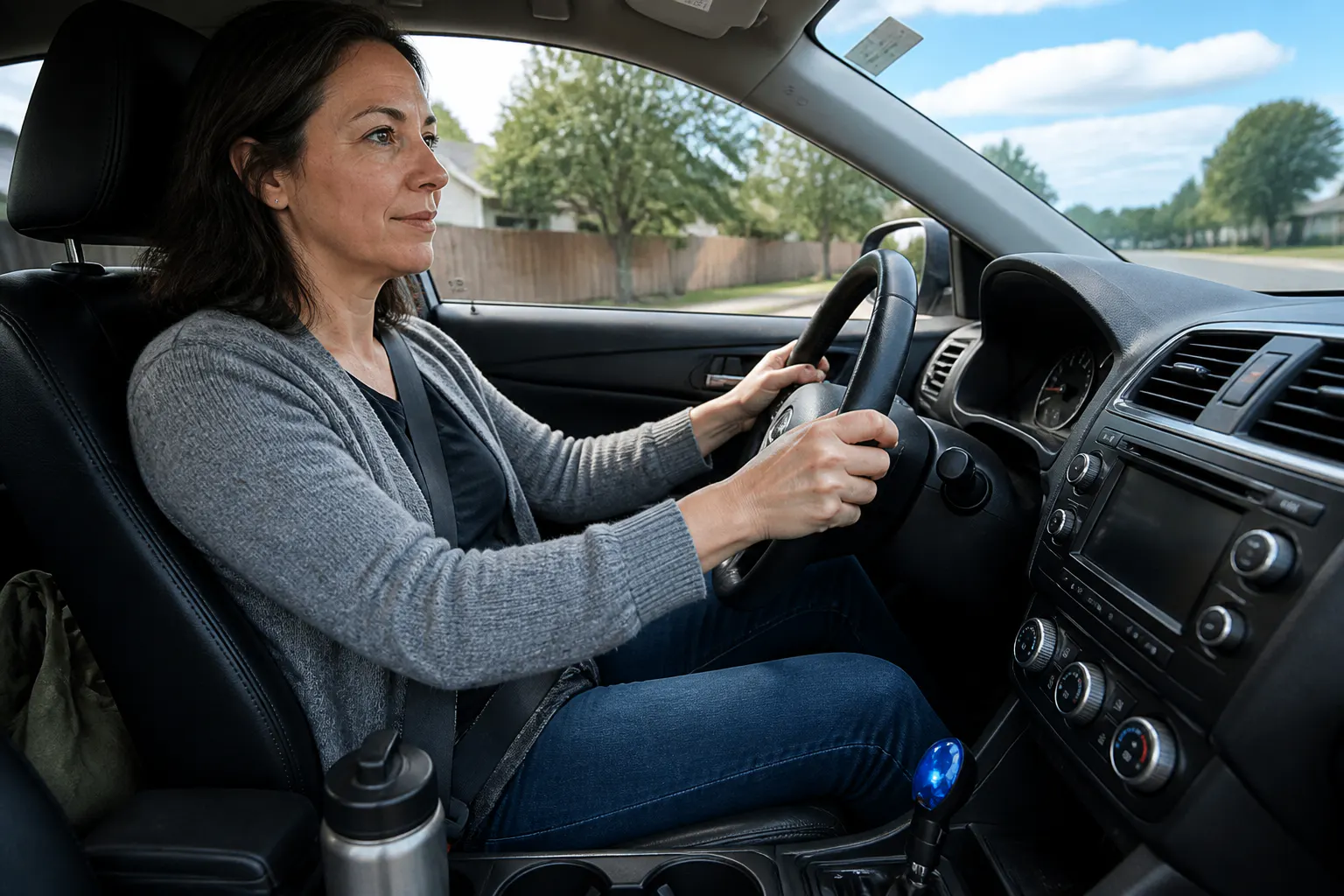
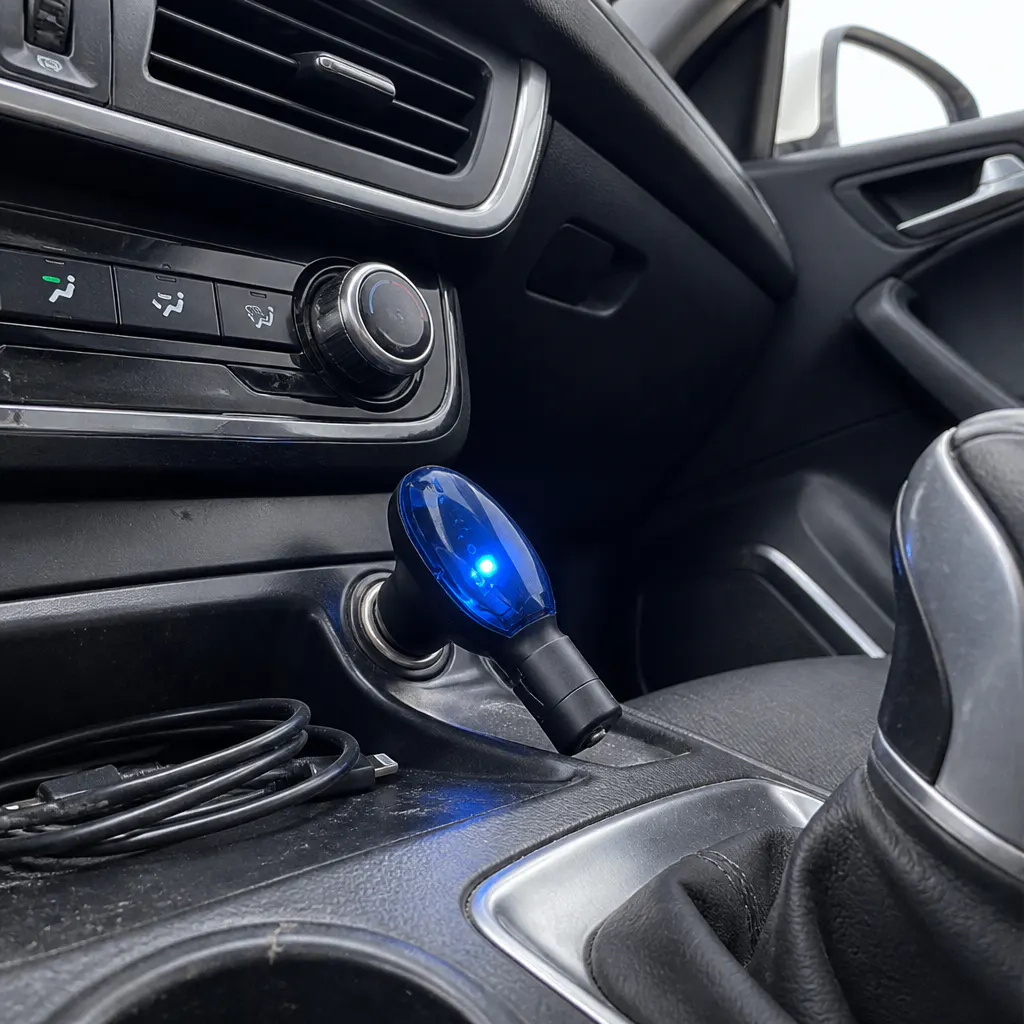
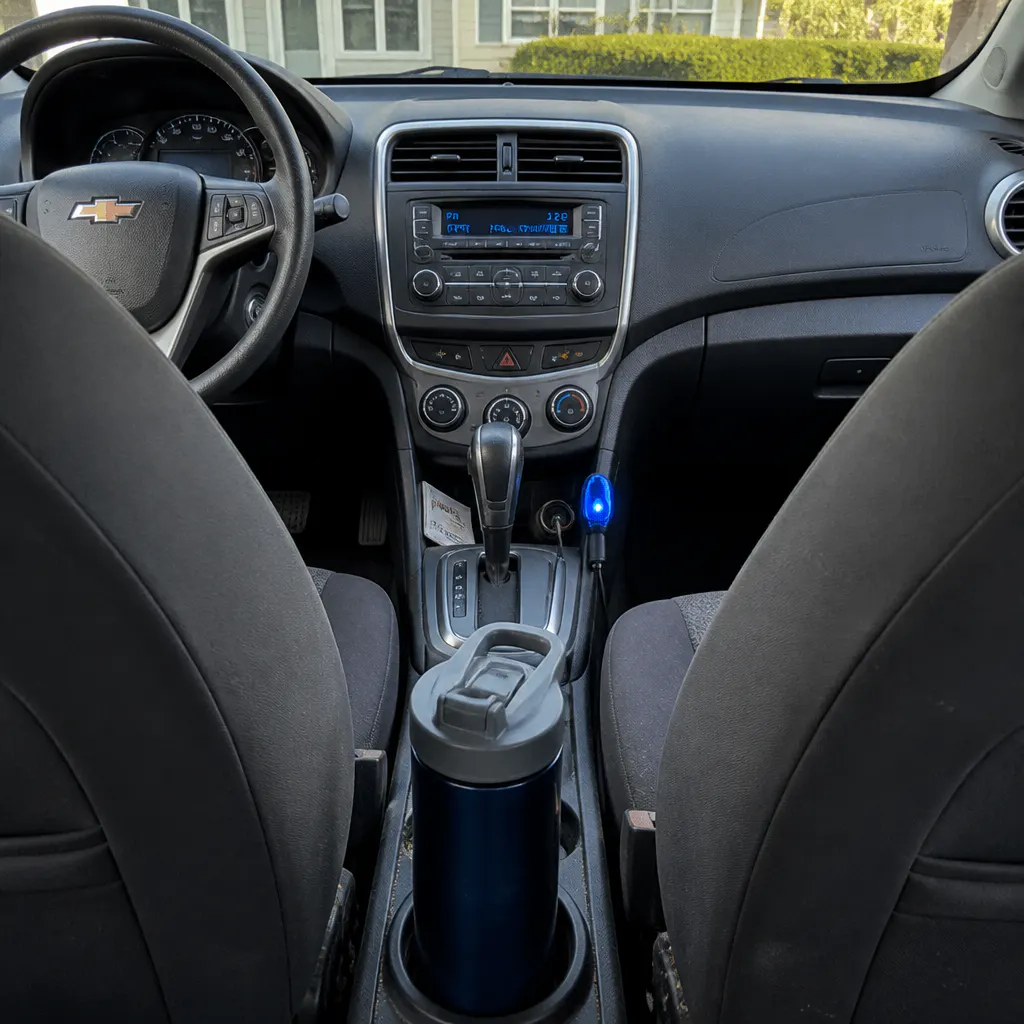
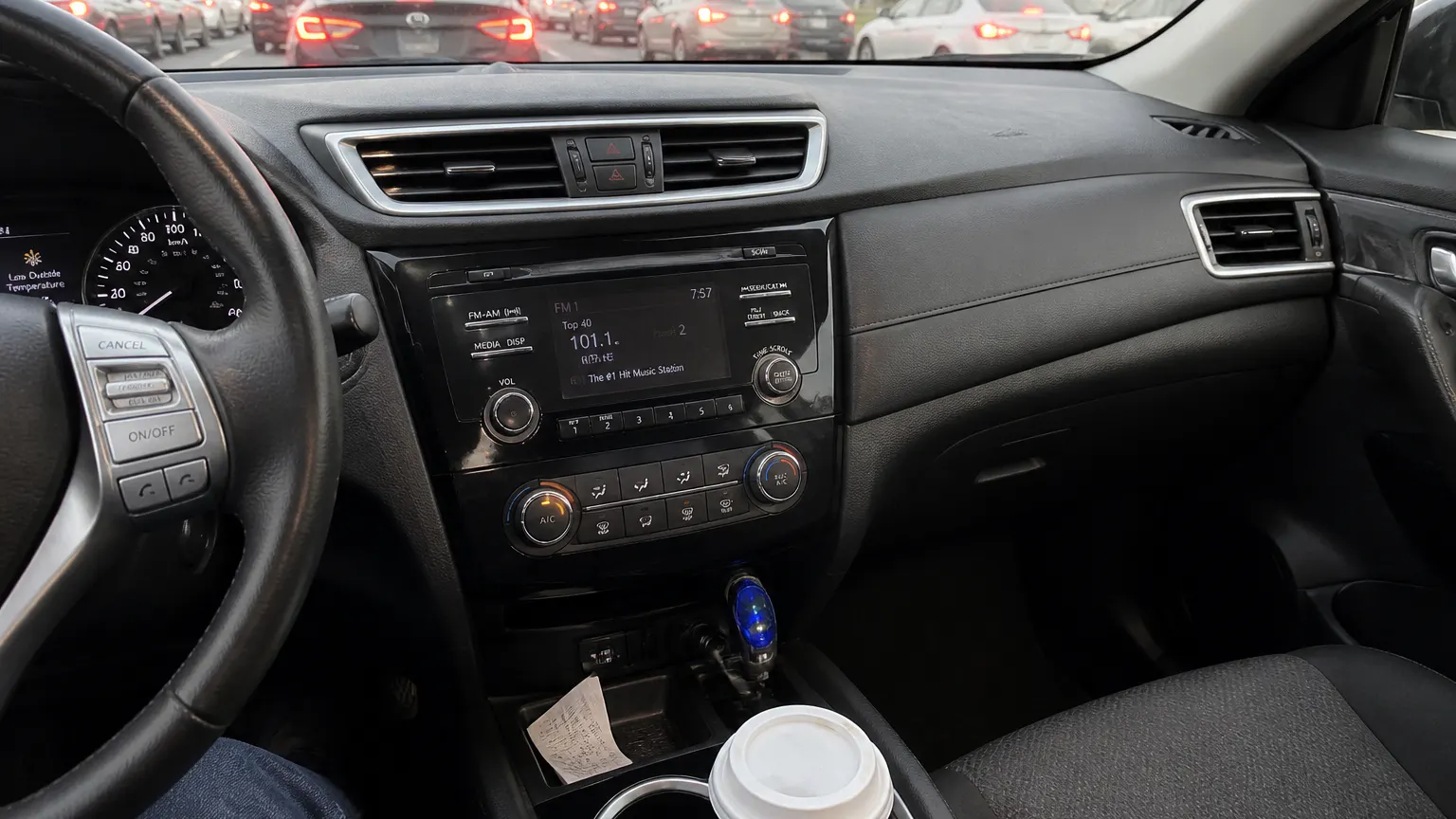
It goes into the 12V accessory socket in one motion and stays in your eyeline for every drive after that. No tools, no wiring, no app to open, no gauges to assign, nothing to configure and nothing to remember. It is a permanent, zero-effort presence in the one place the decisions actually get made.
And plainly, what it does not do:
Almost nobody has ever measured a real tank, which means most drivers have never even seen their own baseline. Here is the whole method. It takes no equipment and about four minutes of attention spread across two fill-ups.
Seat the module in your 12V socket. On your next stop, fill the tank until the pump clicks off on its own. That click is your fixed starting point, and it is the reason this method works without any special equipment.
Photograph the odometer or type the number into your phone before you pull away. Do not use the trip computer's own MPG readout, since that is the number we are trying to check independently.
Same commute, same roads, same you. When you refill, fill to the click again and write down the gallons on the pump display and the new odometer reading.
Subtract the two odometer readings, divide by the gallons you just put in, and you have a real, measured number. Do it for a second tank and compare. Now you are arguing with data instead of with a feeling.
If your own numbers do not move after you have actually tracked them, that is exactly what the 30-day money back guarantee is for. We would rather you measure it and send it back than keep something you do not believe in.

What a filled-in log looks like
313 miles divided by 12.4 gallons. Repeat next tank and compare the two numbers side by side.
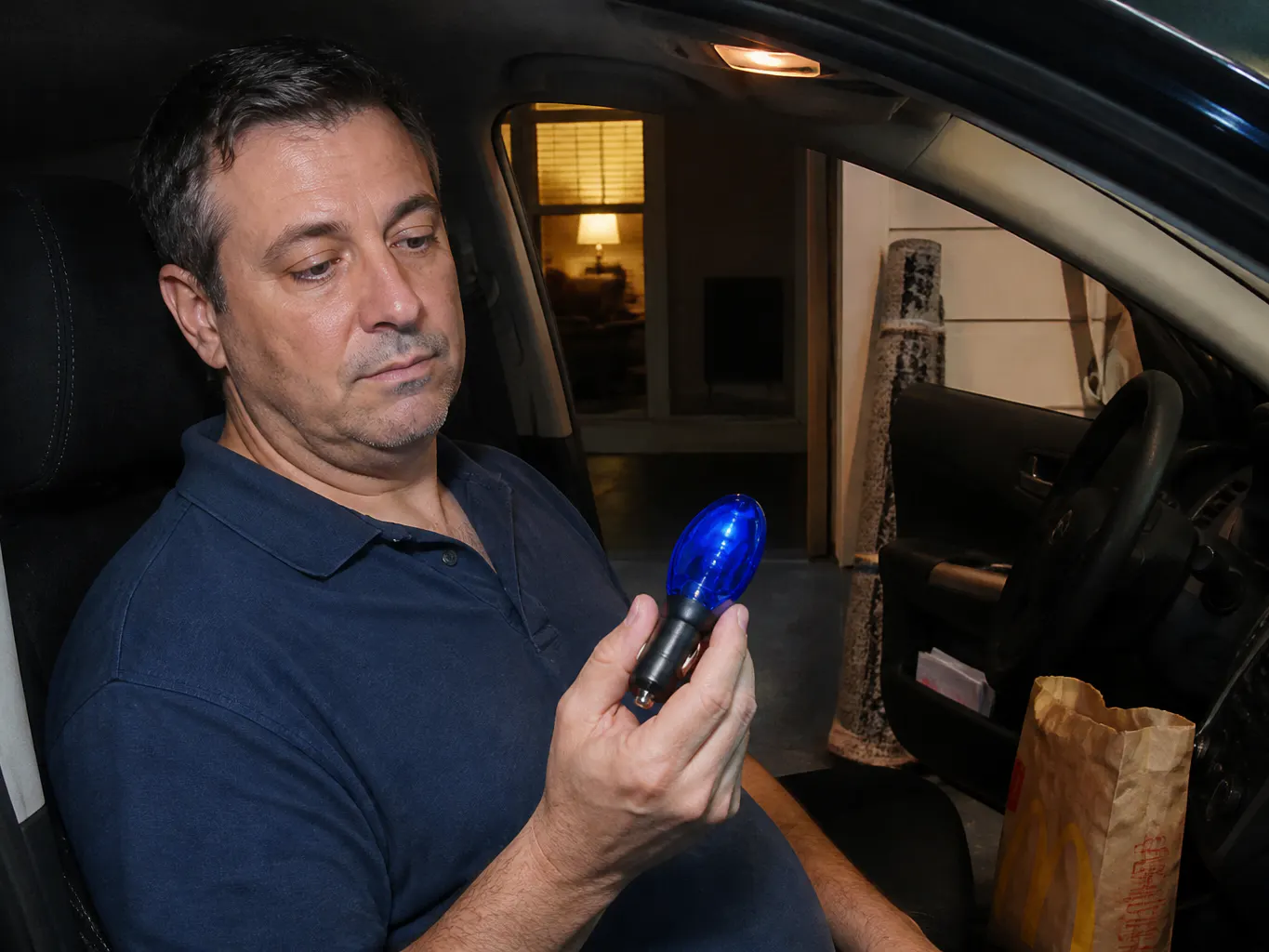
These are drivers who plugged it in, logged their own tanks, and only said something afterward. Filmed in their own cars, on their own phones.
The legitimate fuel gauges work, and their own owners will tell you the setup is why they sat in a drawer for six months. This one is out of the packaging and doing its job before you have pulled out of the driveway.

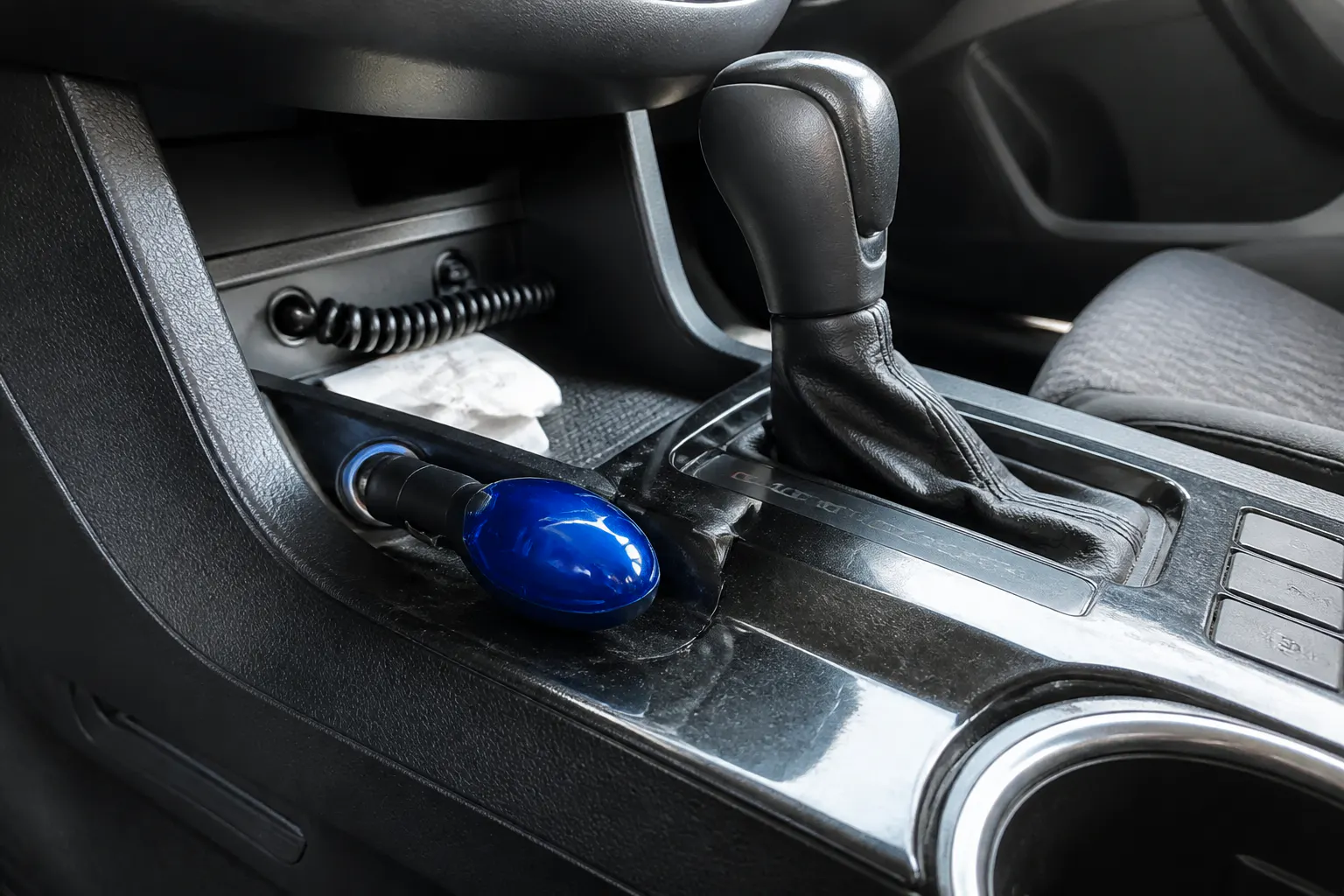
Out of the box, into the 12V accessory socket, done. No tools, no wiring loom, no app to download, no configuration screens to work through.

Any vehicle with a standard 12V accessory socket. Gas or diesel, car, truck or SUV. Hybrids with a standard socket are fine; fully electric vehicles are outside what this is for.

It is an accessory plug. Nothing gets cut, spliced, tapped, or reflashed, so there is nothing to undo. It moves between two vehicles in about four seconds.

No menus, no gauge slots to assign, no calibration to sit through with the engine running. It does its job whether or not you ever touch it again.
On most vehicles the accessory socket is switched, meaning it cuts power when you shut the car off. Some older vehicles wire it always-on. If yours stays live with the key out, or if you are parking the car for several days, pull the module out. It takes a second and it removes the question entirely.
Inflated savings claims are how this whole category got its reputation. So here is a deliberately conservative estimate with every input on screen, and you can swap in your own numbers as you read.
What you already spend
$1,584
Estimated annual fuel spend for an average commuter
This device costs less than half a tank of that annual spend. At a 2% improvement it returns roughly $32 in the first year. At 4% it returns roughly $63. Neither of those is a promise, and both of them clear the purchase price inside twelve months.
These are assumptions, not results. Your mileage, your fuel price, and your own driving are the only numbers that matter, which is exactly why we hand you the method to measure them.
The part nobody compares
The hardware in this category is not where the difference lives. The difference is whether there is anybody on the other end when it does not work out. Free shipping worldwide, and a real return path either way.
We would rather show you measured, unexcited reviews than a wall of exclamation marks. Nobody below is quoting a percentage, because we never gave them one to quote.
Answered in the order people actually ask them, starting with the one nobody in this category wants to be asked.

Plug it in, track two tanks the way we showed you, and decide from data instead of from a stranger's opinion. If your number does not move, send it back.
The Mileage Chip
Plug-In Driving Optimizer by Ventra
30-day money back guarantee - 1 year warranty - Free shipping worldwide