









As Seen On
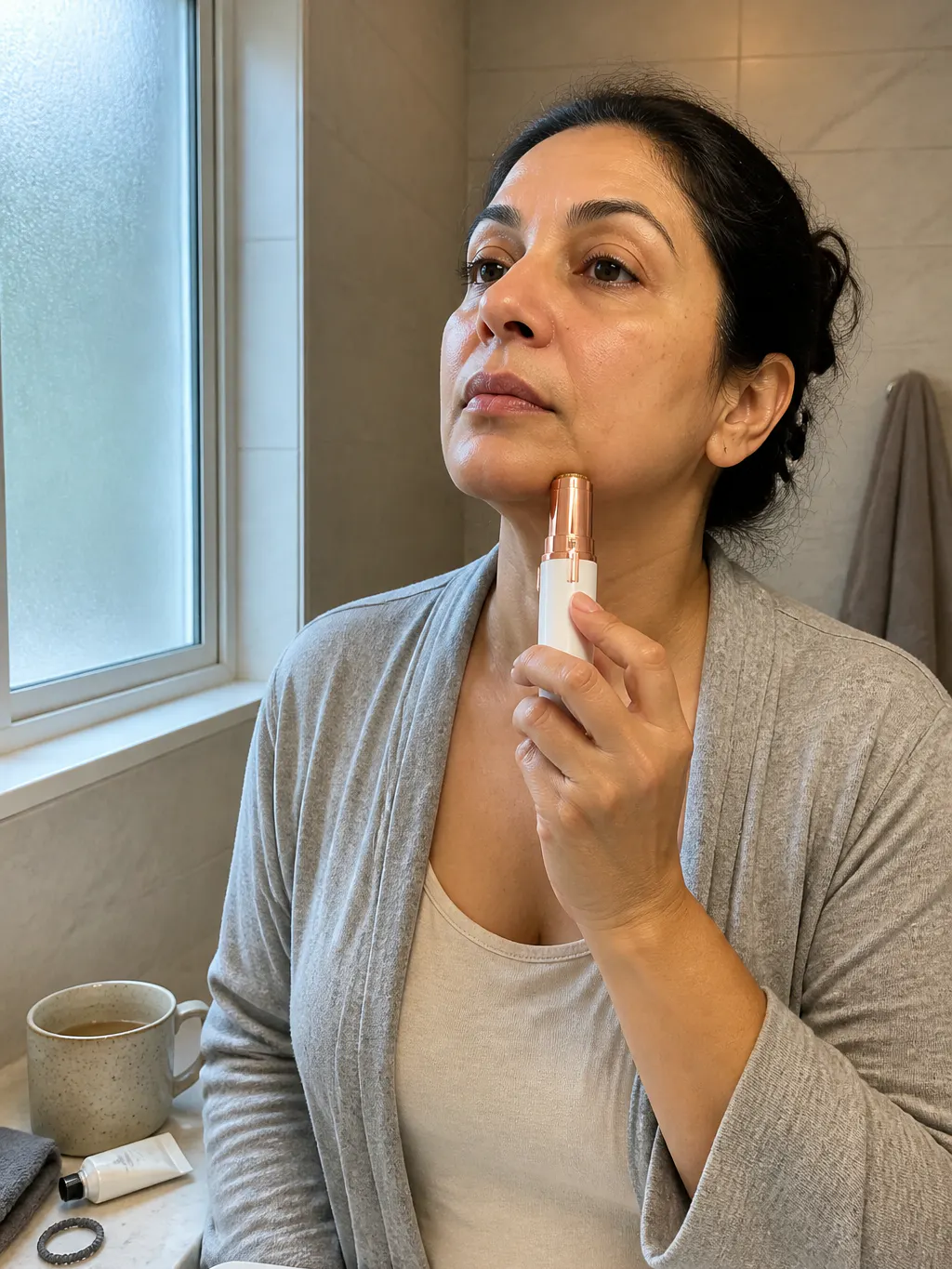
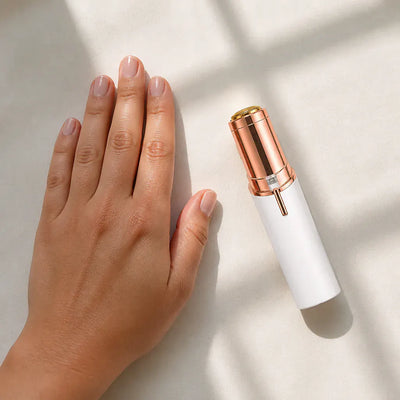
Sensitive-skin facial trimmer
It doesn't pull the hair. It's completely painless.
It trims the fuzz at your skin's surface behind a guard - the follicle is never touched, so nothing grows back thicker. Sixty seconds at the mirror, makeup straight after.
- Dermatologist-endorsed
- Guarded head never touches skin
- LED - see every fine hair
- Lipstick-sized, lives in your bag
Real results, real skin
See what it does on skin like yours.
Upper lip, chin, jawline, cheek fuzz. Different skin, different hair, different timelines - photographed in ordinary bathroom light with no filters.
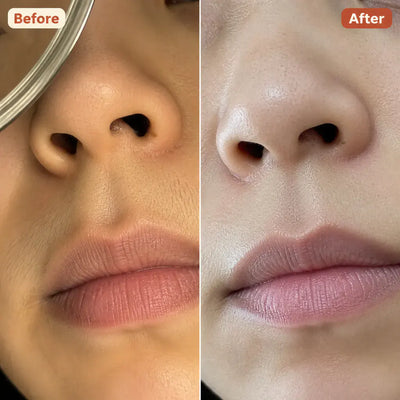
 Before
AfterAfter one 90-second pass
Before
AfterAfter one 90-second passIt took off the peach fuzz that shows when you are in the sunlight. That was the whole reason I bought it.
 Before
AfterAfter 2 weeks of twice-weekly use
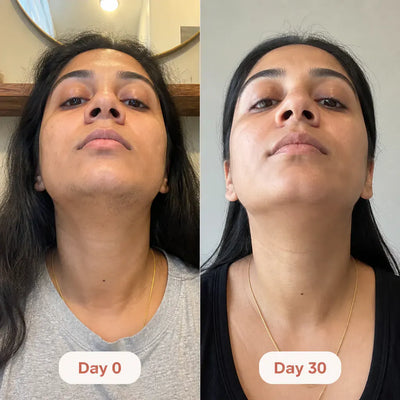
Before
AfterAfter 2 weeks of twice-weekly useI have PCOS so the hairs on my chin are thick and grow back fast. This took the stubborn ones that don't go away with even my regular razors. I still get them back, but the surface is smooth and I stop thinking about it.
 Before
AfterAfter 1 month
Before
AfterAfter 1 monthI've been waxing my upper lip for years. I'll never wax again.
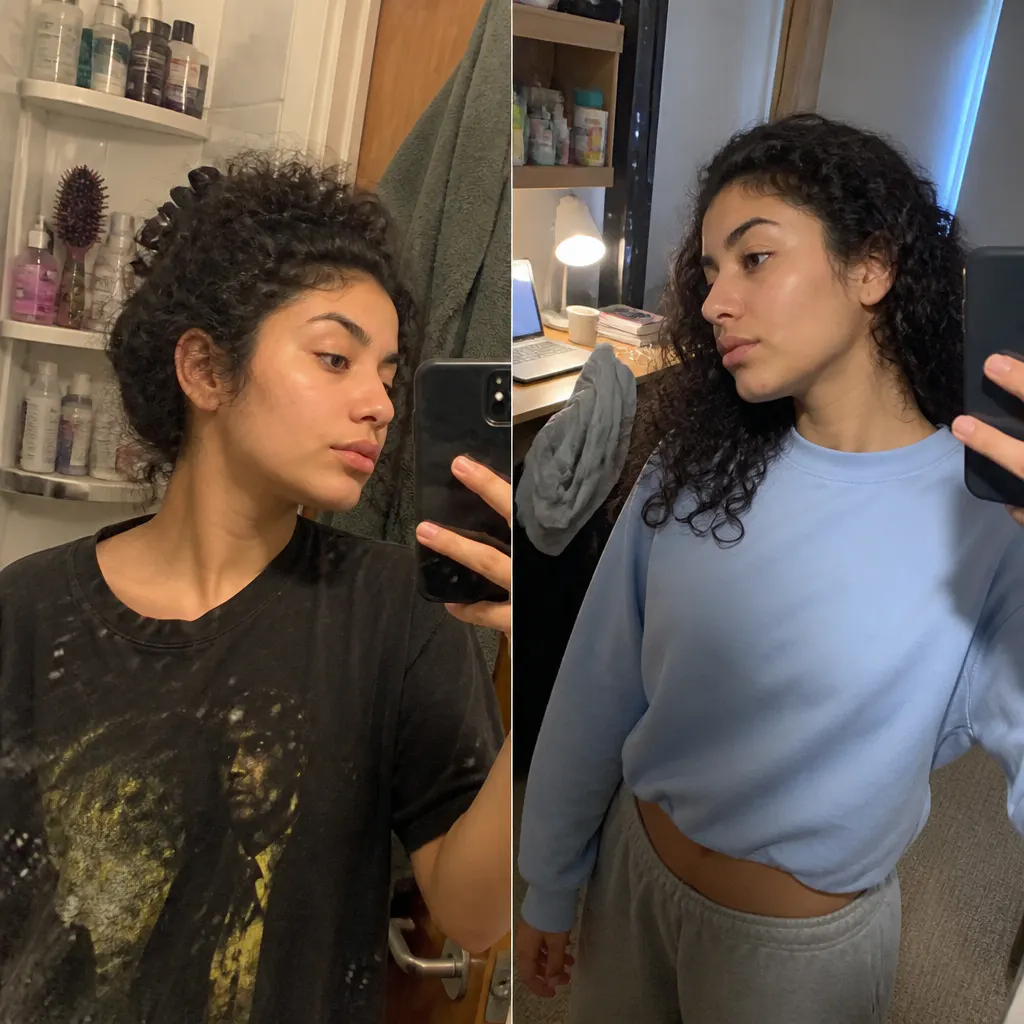 Before
AfterAfter 3 weeks, used weekly
Before
AfterAfter 3 weeks, used weeklyI'm 58 and my skin is far too thin for wax now. There's no pulling and no red patch after, which is the only reason I kept using it.
 Before
AfterAfter 6 weeks of use
Before
AfterAfter 6 weeks of useMy foundation has never gone on smoother. It used to catch on the fuzz above my lip and go patchy by lunchtime.
 Before
AfterAfter 5 days, two passes
Before
AfterAfter 5 days, two passesThe coarse ones on my jaw needed a second pass in small circles before they were gone. Doesn't get them from the root, but it's fair enough for how quick it is.
Results shown are customer results from this category of surface trimmer. Hair type, coarseness and regrowth timing vary from person to person.
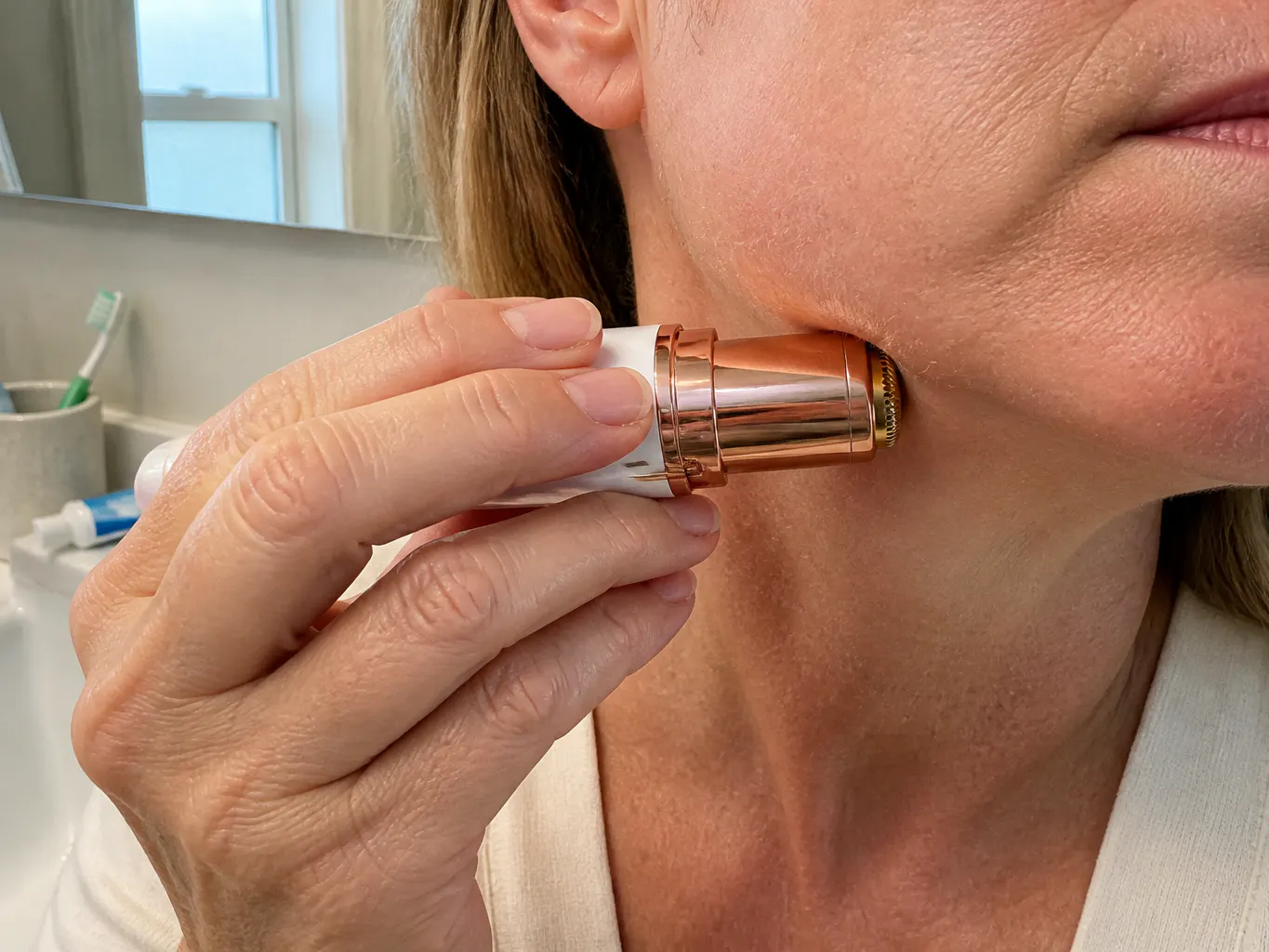
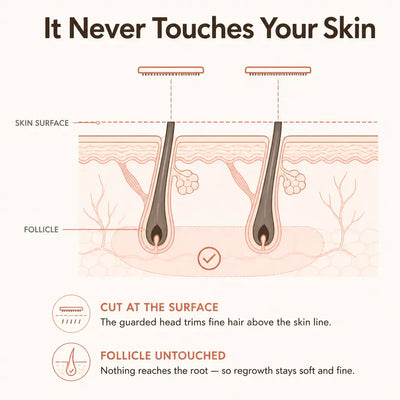
Enlarged view: the blade sits behind a perforated guard and cuts level with the skin. The follicle below is never reached.
The thing nobody explains
Trimming at the surface cannot change what happens under it.
Hair thickness, colour and growth rate are decided inside the follicle, beneath the skin. Dermatological consensus - including the position stated by the Mayo Clinic - is that removing hair at the surface does not alter any of the three. The follicle is simply not reached.
Ventra's head spins behind a perforated guard. Hairs pass through the openings and are cut level with the skin. Nothing is pulled from the root, nothing scrapes the surface, and nothing reaches the follicle to change it.
So why does it sometimes feel coarser afterwards? A hair that has been cut has a blunt tip instead of a tapered one, so for a day or two as it grows past the surface it feels rougher to the fingertip. That is texture, not new growth - and it disappears as the hair grows out.
- "I occasionally shave my face and I'm past menopause."Long-term user, beauty forum
- "I didn't notice any extra or longer re-growth."Long-term user, beauty forum
How to use it
Three steps. Under a minute. Makeup goes on straight after.
For the upper lip, chin, jawline and cheeks. Designed for the face only.

Switch it on.
The LED ring lights the area you're working on. The fine hairs you've been hunting blind in bathroom light become visible - which is usually the first surprise.
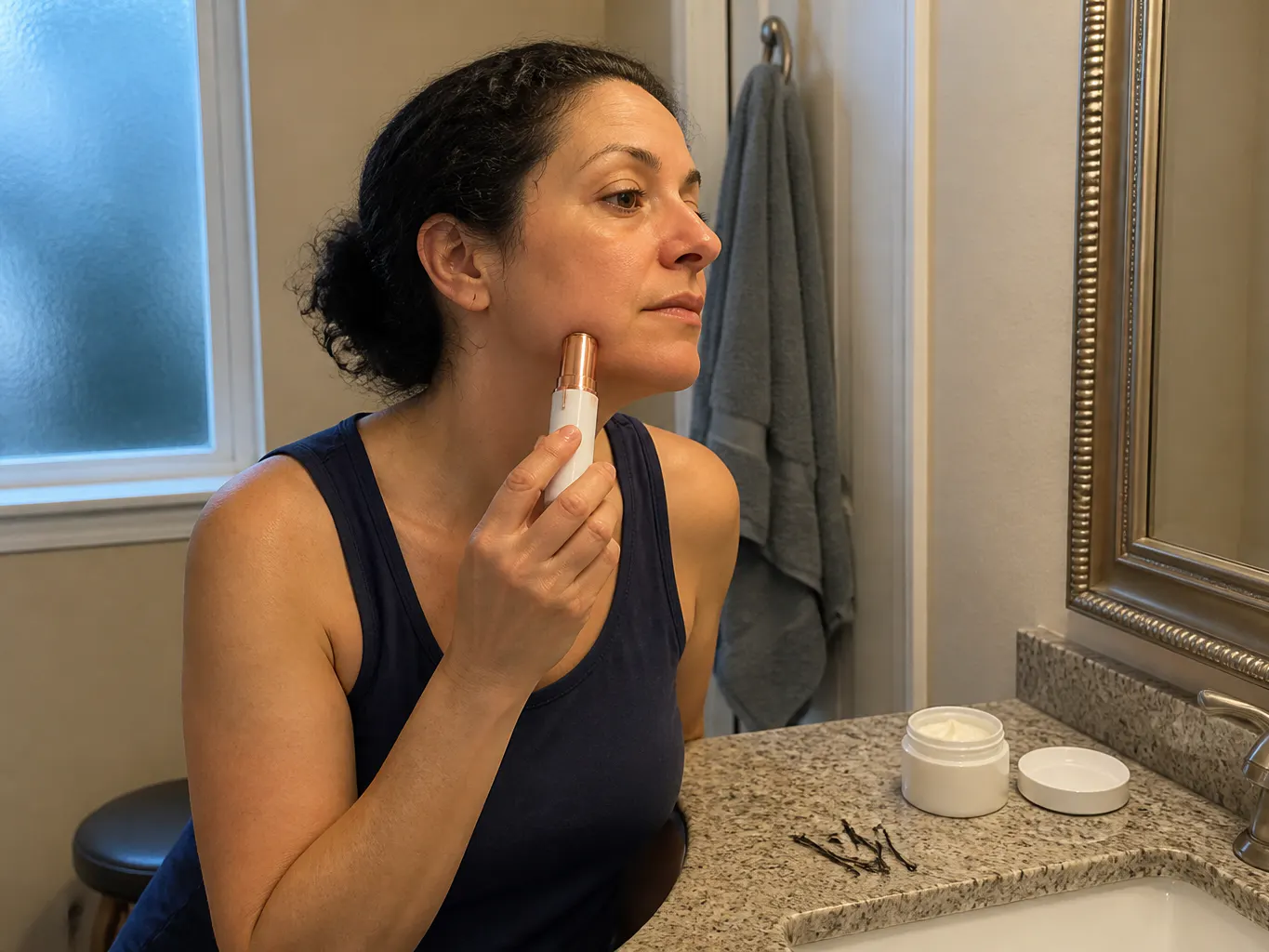
Hold the head flat against your skin.
The full circular head should make contact. Pull the skin taut with your free hand so the surface is even. There is no angle to learn and no pressure to apply.

Glide in small circles.
Small circular motions keep the head seated and the pass even. Work over the upper lip, chin, jawline or cheek. Coarser hairs usually need a second pass over the same spot.
No downtime, no redness to wait out, nothing to rinse off. Makeup goes on straight after.
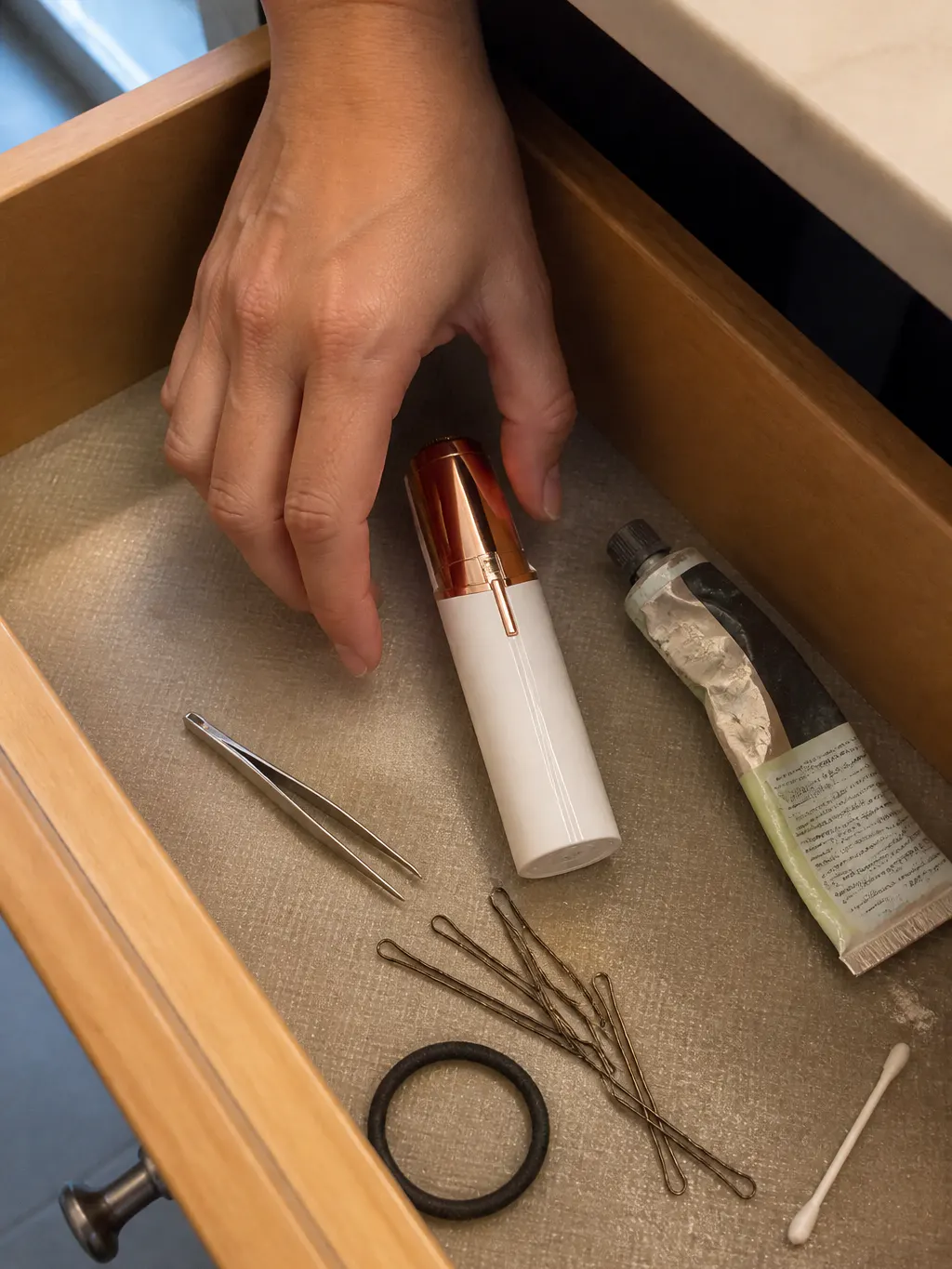
If you've bought one of these before
There is probably a dead one in a drawer somewhere in your house.
It is not that you used it wrong. The ones that quit are built around a disposable-battery body with a loosely seated head - once the motor slows, the guard drags across the skin instead of gliding, and you get stubble instead of a clean surface cut. That is a design problem, not a technique problem.
If it stops working, that's our problem
Ventra is backed by a 1 year warranty and a 30-day money back guarantee. Five months from now, if it slows down or stops, you are not stuck holding it.
Coarse and hormonal hair - the honest scope
It trims coarse chin and jaw hairs level with the skin, usually in a second pass over the same spot. It does not pull them from the root, so they return on their own schedule - and because there is no irritation, you can go over them again whenever you like.
Sensitive skin and ingrowns
The guard means the blade never contacts your skin. There is no scrape, no root-pull, and none of the lift-and-cut action that drives hairs back under the surface. Glide it, don't press it.
"Doesn't get prominent hair from the root - but it's fair enough."Category customer review
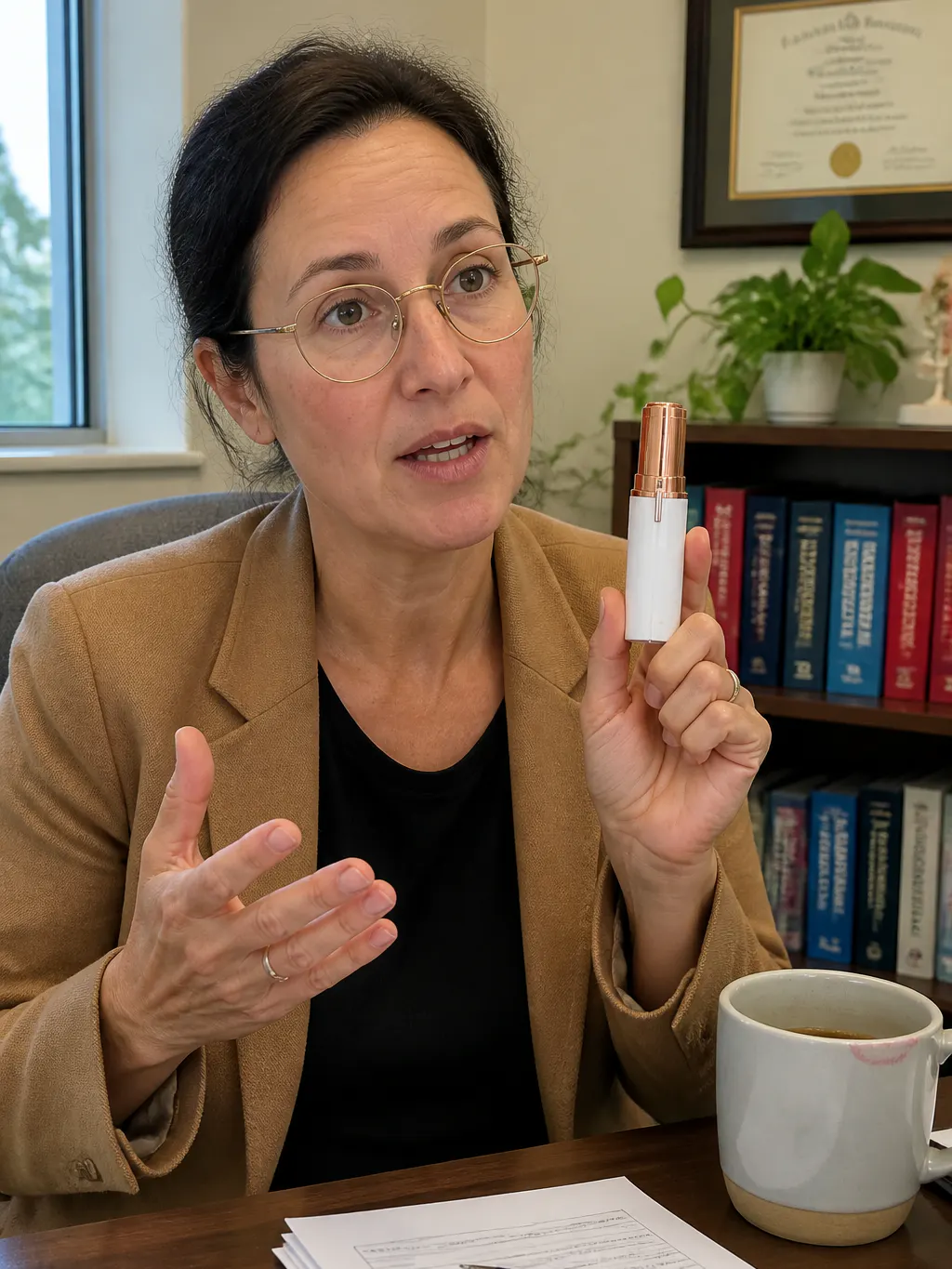
The clinical view
Why dermatologists point sensitive skin toward surface removal.
Surface-level facial hair removal is routinely recommended for women with sensitive or thinning skin, for three reasons: it does not pull hair from the root, it does not lift the top layer of skin the way a wax strip does, and it does not alter the hair's thickness, colour or growth rate. For skin that has become thinner with age or hormonal change, avoiding a pull is the whole point.
Manual dermaplaning gets discussed in the same breath, but it is a different act. A dermaplaning blade is held at an angle against the skin and dragged - it removes the top layer of skin along with the hair. That is a technique, and technique varies from person to person and from morning to morning.
A guarded rotary head removes the technique entirely. The blade sits behind a perforated guard and never contacts skin, so the only thing being cut is the hair standing above the surface. There is no angle to get wrong.
What actually changes
The end of the car visor mirror check.
You already know the ritual. The window with the real daylight. The chin tilted up. Four minutes hunting with tweezers, one hair got, one missed, and a small red dot to cover. Then the red light on the commute, the visor flipped down, and a third hair the bathroom light hid - with nothing in the car to do anything about it, so you think about it the rest of the way in.
None of that is unusual. A lot of women manage this weekly and almost nobody mentions it, which is exactly why it feels like a private problem instead of an ordinary one. It is ordinary. It just runs constantly in the background.



Sixty seconds at the mirror, makeup goes on smooth, and the thing stops taking up room in your head for the rest of the day. That is the whole point.
Against your current routine
One upper-lip wax appointment costs more than the whole device.
This isn't a comparison against other trimmers. It's a comparison against what you are already doing every week.
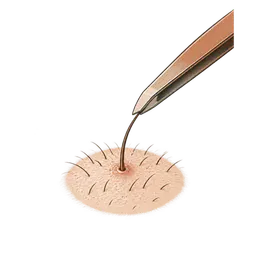 VentraAt home
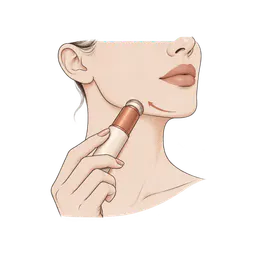 Waxing, tweezing & dermaplaningCurrent routine
"I've been waxing my upper lip for years. Tried it this morning and wow. Quick and painless - I'll never wax again."Category customer review
Sixty seconds, filmed by the women doing it.
No script, no ring light. Just the head gliding over an upper lip, an LED switched on in a dim bathroom, and foundation going down straight after.
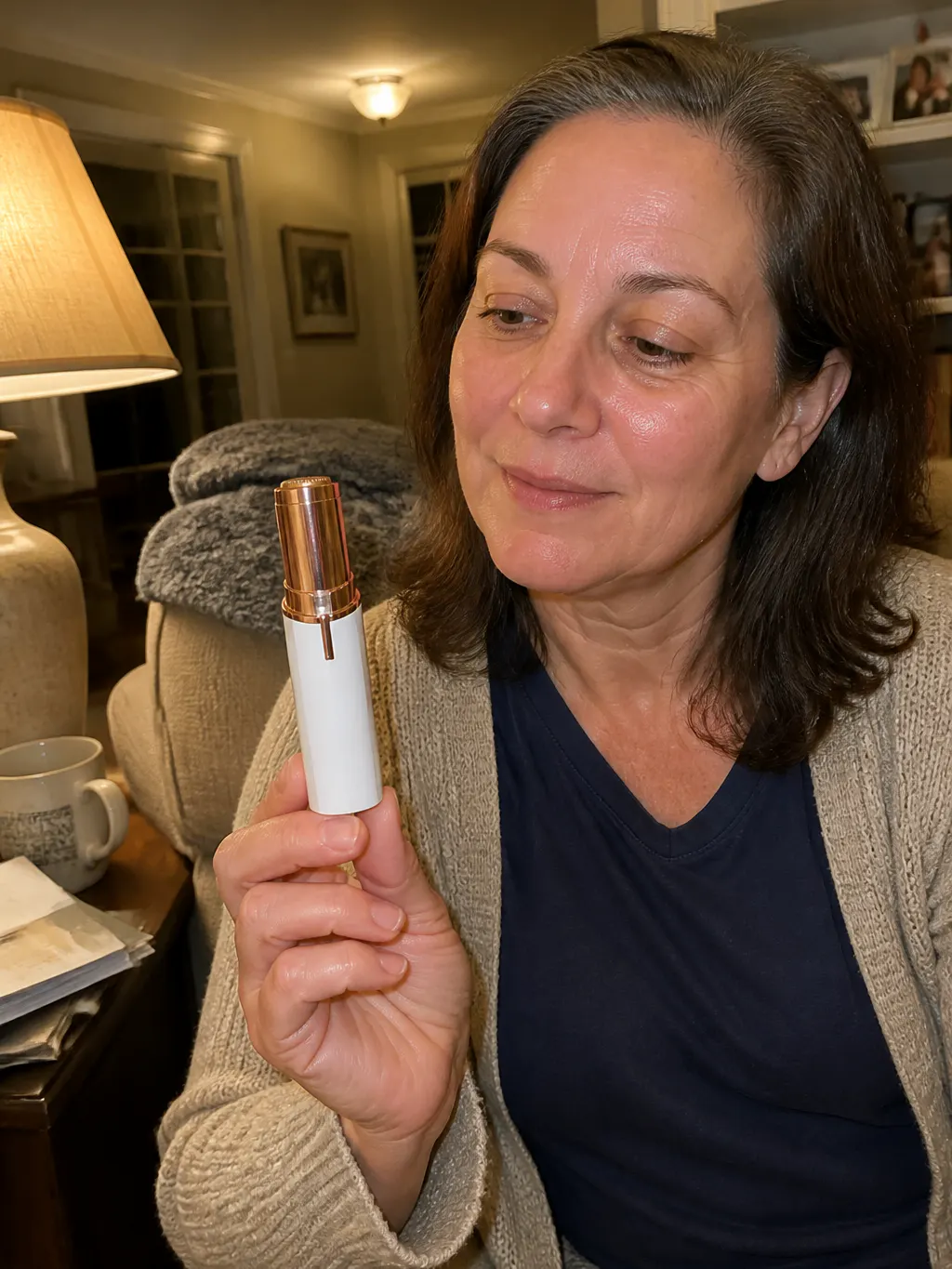
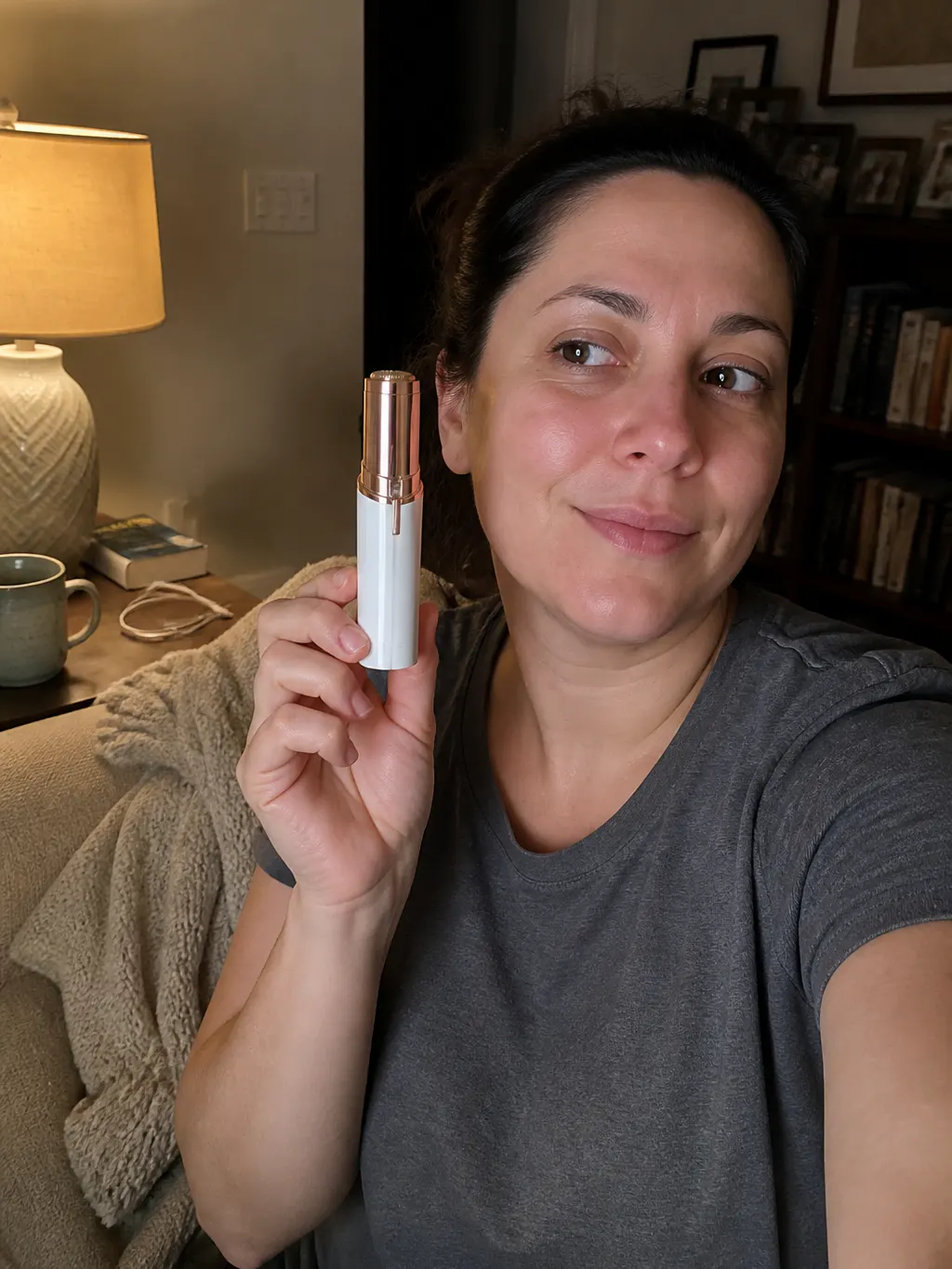
Sound is off by default. Tap any clip to turn it on.
Straight answers
The questions you were already going to Google.
No. Thickness, colour and growth rate are decided inside the follicle, beneath the skin - and the guarded head cuts level with the surface, so the follicle is never reached. Dermatological consensus, including the position stated by the Mayo Clinic, is that surface removal does not change any of the three. What some people notice is that a freshly cut hair has a blunt tip instead of a tapered one, so it feels coarser to the fingertip for a day or two as it grows past the surface. That is texture, not new growth, and it passes.
Both, with an honest caveat. Fine fuzz goes in a single pass. Coarse chin and jaw hairs usually need a second pass in small circles over the same spot, because the head cuts them level with the skin rather than pulling them out. It does not remove them from the root, so they return on their own schedule - but because there is no irritation, you can go over them again whenever you like.
That is what it is built for. The blade sits behind a perforated guard and never contacts your skin, so there is no root-pull and no scraping across the surface. Nothing lifts the top layer the way a wax strip does. Use it as often as you need - there is no waiting period between passes and no redness to sit out.
It depends entirely on your hair type and hormones. Some people go weeks or a month between passes. Others prefer a quick weekly touch-up before makeup. It takes under a minute either way, so most people settle into whatever rhythm fits their own regrowth rather than a schedule someone else set.
Surface trimming does not pull hair beneath the skin the way tweezing and waxing can, which is where most ingrowns start. The head is designed to glide - hold it flat, move in small circles, and let it do the work rather than pressing down. Pressing is what causes irritation with any device of this kind.
Then it is our problem, not yours. Ventra is covered by a 1 year warranty, and there is a 30-day money back guarantee on top of it. If it slows down, stops, or simply does not do the job on your hair, get in touch and we sort it out.
Free shipping worldwide, on every order.

No risk on your side
Try it for 30 days. If it doesn't do the job, send it back.
You have already bought one of these before and been let down. This time the risk sits with us, not with you.
End The Mirror Check30-day money back guarantee · 1 year warranty · Free shipping worldwide